I remember the first time I planted a seed—it was a sunflower in a cracked clay pot on my grandmother’s windowsill. Watching it grow into something bright and tall made me realize how rewarding gardening could be. Now, I’m here to share the joy of cultivating your own little patch of green, whether you’re a seasoned green thumb or just starting out. My goal is to make gardening approachable, practical, and full of small victories that make the effort worth it.
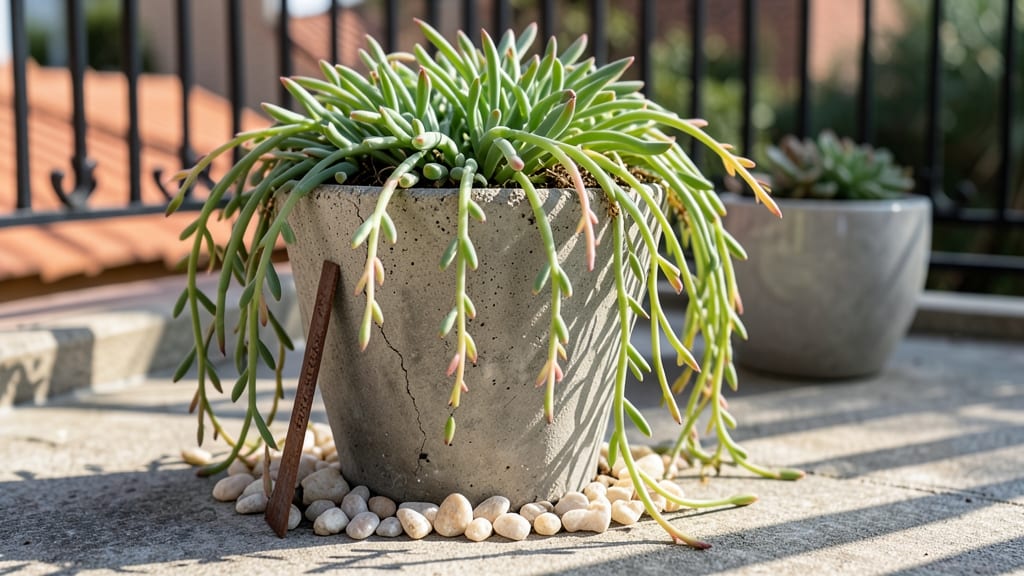
💥 Quick Answer Cement garden pots provide exceptional strength for containers holding heavy plants like succulents or herbs, but achieving the right mix—usually 1 part Portland cement to 2-3 parts sand—is crucial to…
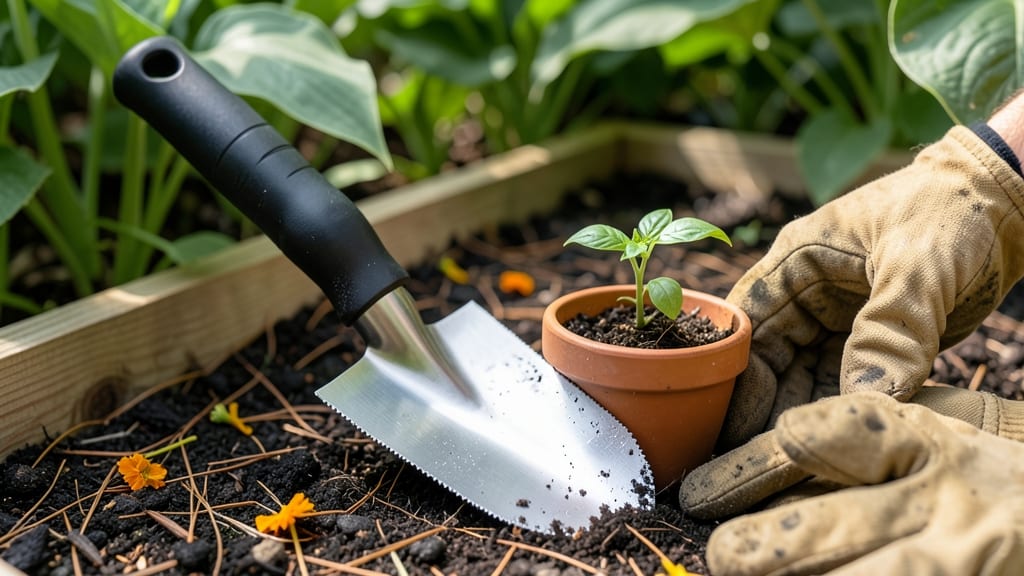
💥 Quick Answer The most common name for a small shovel used in gardening is a trowel , designed for precise tasks like transplanting seedlings or edging borders. Other specialized tools like dibbers and hand forks also…
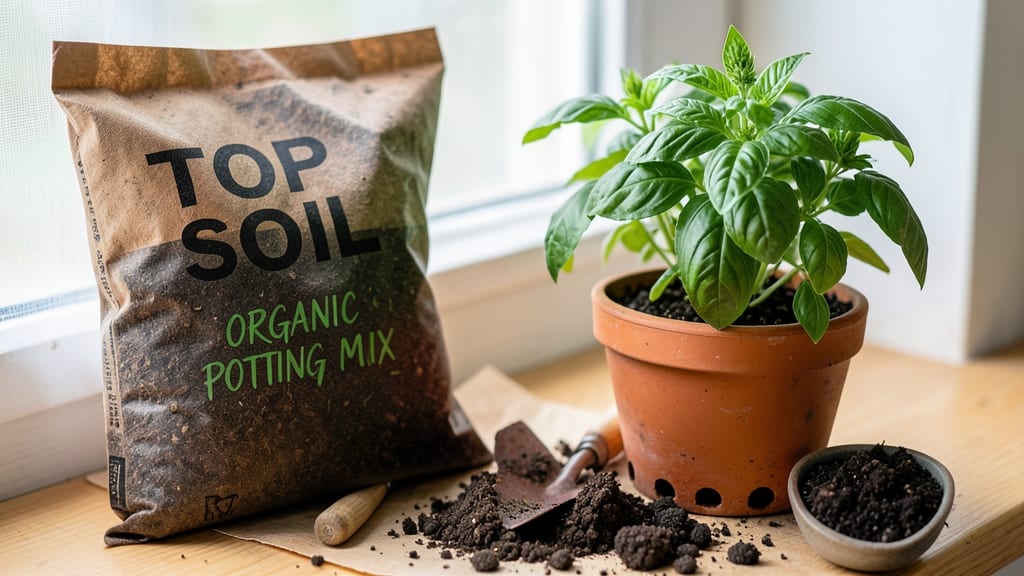
💥 Quick Answer You can use garden soil for potted plants, but only after amending it with perlite, compost, and coconut coir to improve drainage and aeration while reducing compaction. Always sterilize the soil first to…
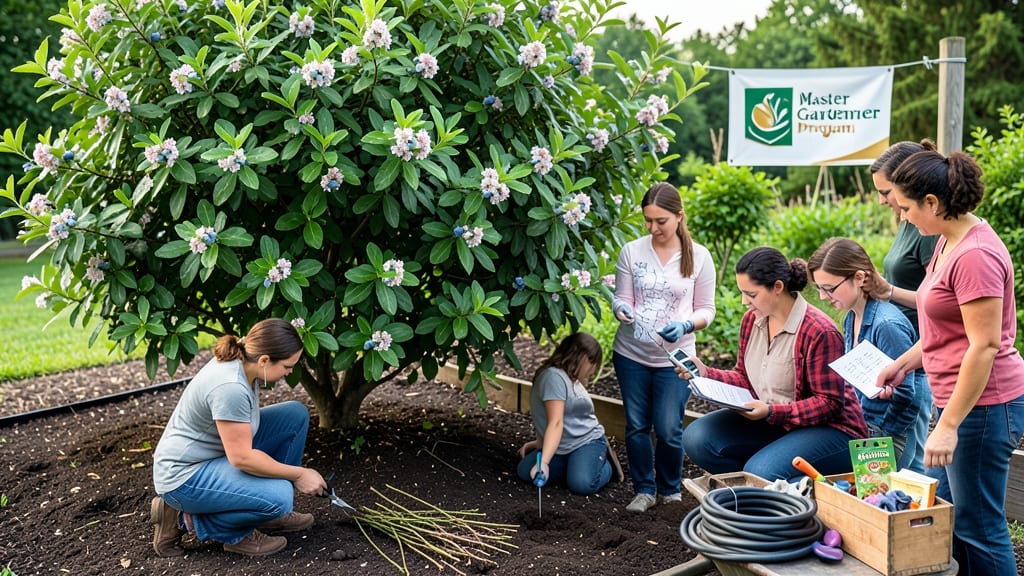
💥 Quick Answer The Master Gardener Program in Maine trains volunteers through the University of Maine Cooperative Extension to support sustainable gardening and community education, with applications typically accepted…
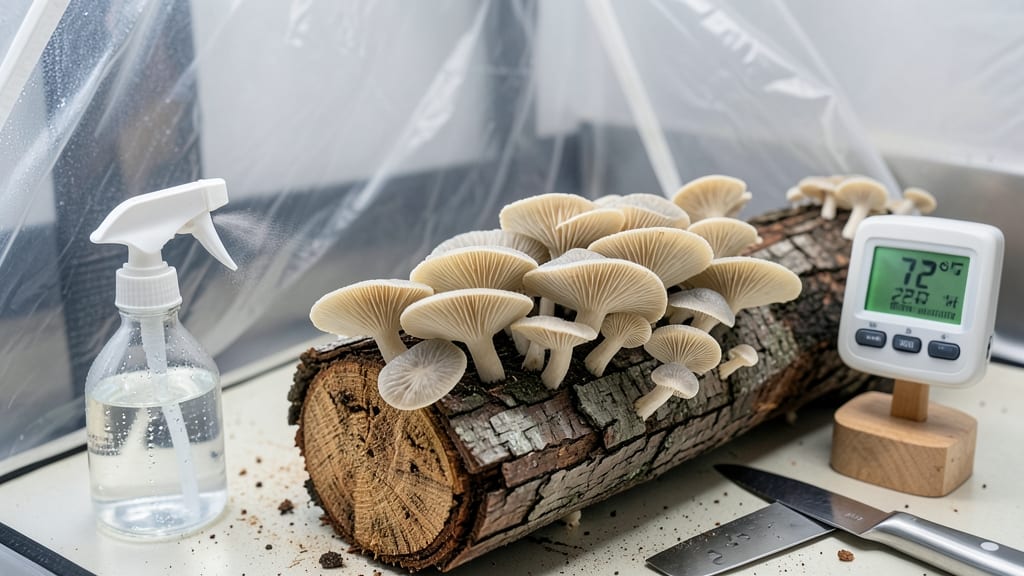
💥 Quick Answer Yes, mushrooms can be shocked in grow-a-garden setups using cold therapy to stimulate fruiting, but success depends on species-specific conditions. Most oyster or shiitake mushrooms thrive with 12–24…
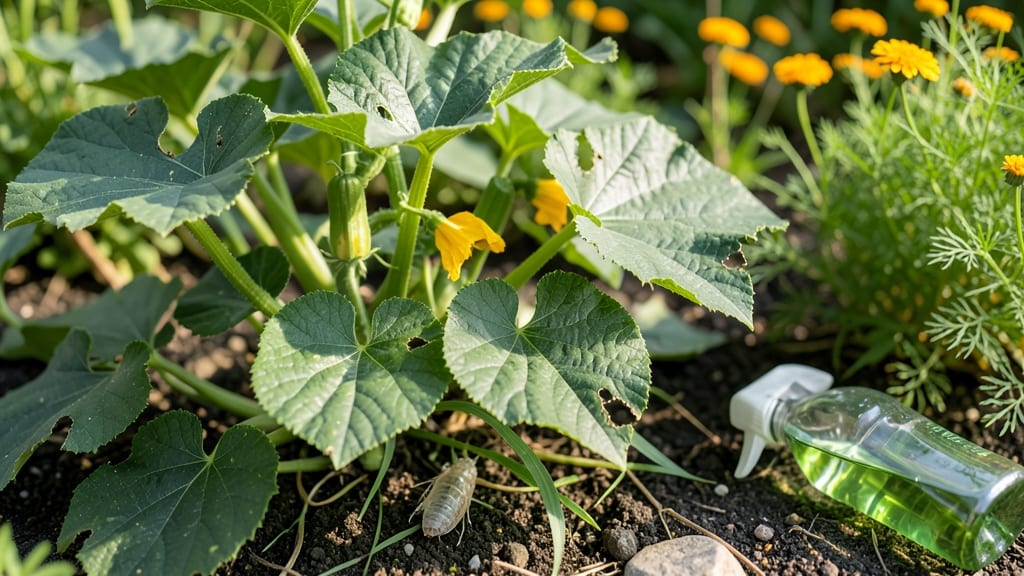
💥 Quick Answer Your garden won’t be eaten by cicadas—they target tree sap and roots instead of vegetables or flowers. While their nymphs can harm shallow-rooted plants during emergence, adult cicadas pose no direct…
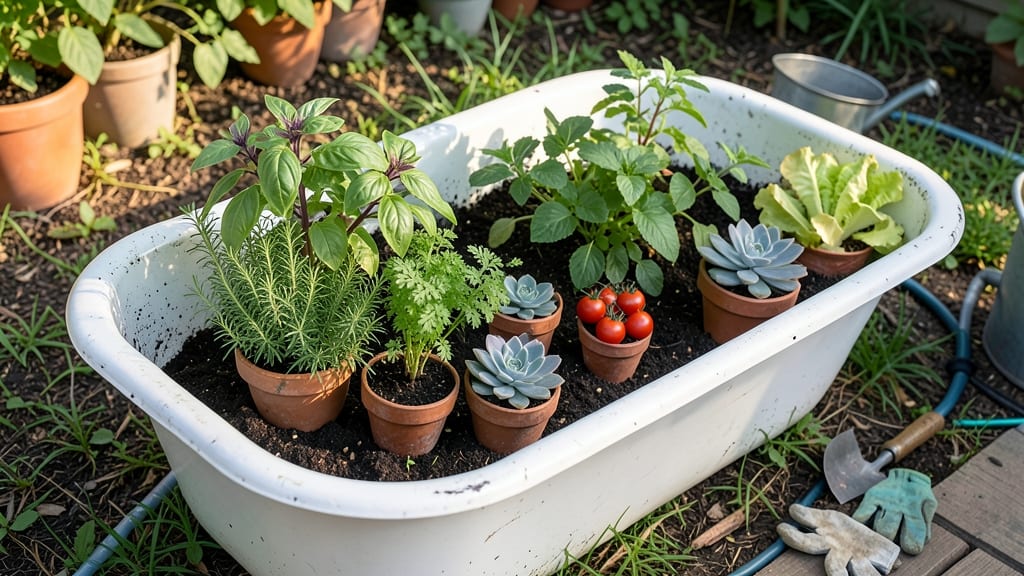
💥 Quick Answer A garden bathtub is what you get when you combine a compact outdoor soaking tub with natural materials like wood, stone, or recycled plastic, designed specifically for small yards or urban gardens where…
💥 Quick Answer To request a garden catalog, reach out to seed companies or nurseries through their websites, phone lines, or printed mail-in forms, timing your order to align with seasonal releases for the freshest…
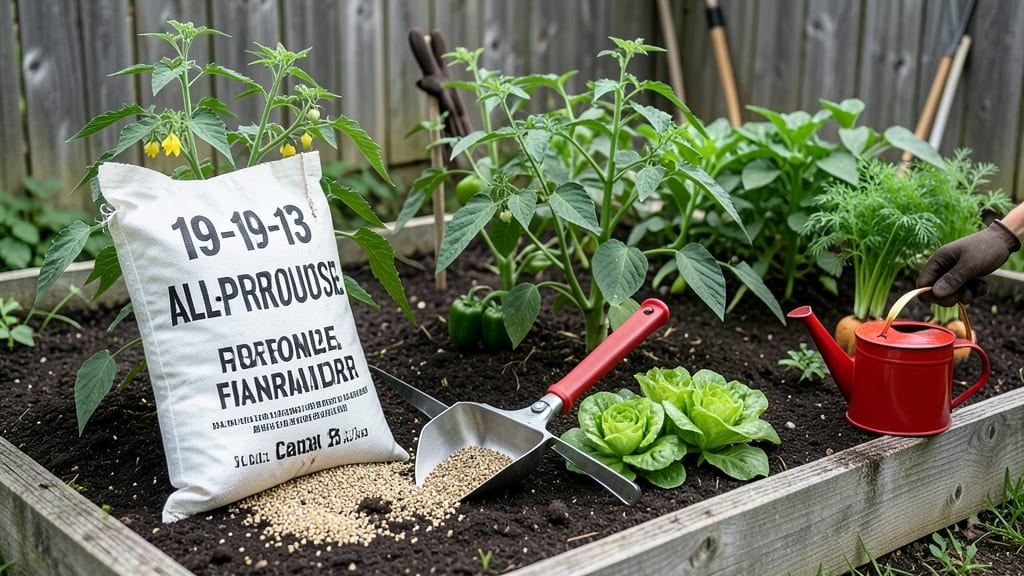
💥 Quick Answer 19-19-19 fertilizer can be good for vegetable gardens when used correctly, offering balanced nitrogen, phosphorus, and potassium to support growth, blooming, and fruiting—but its high salt content may…
💥 Quick Answer Railroad ties are not safe for gardens because they contain creosote and pentachlorophenol, toxic chemicals that leach into soil over time. These compounds can stunt plant growth, contaminate groundwater…