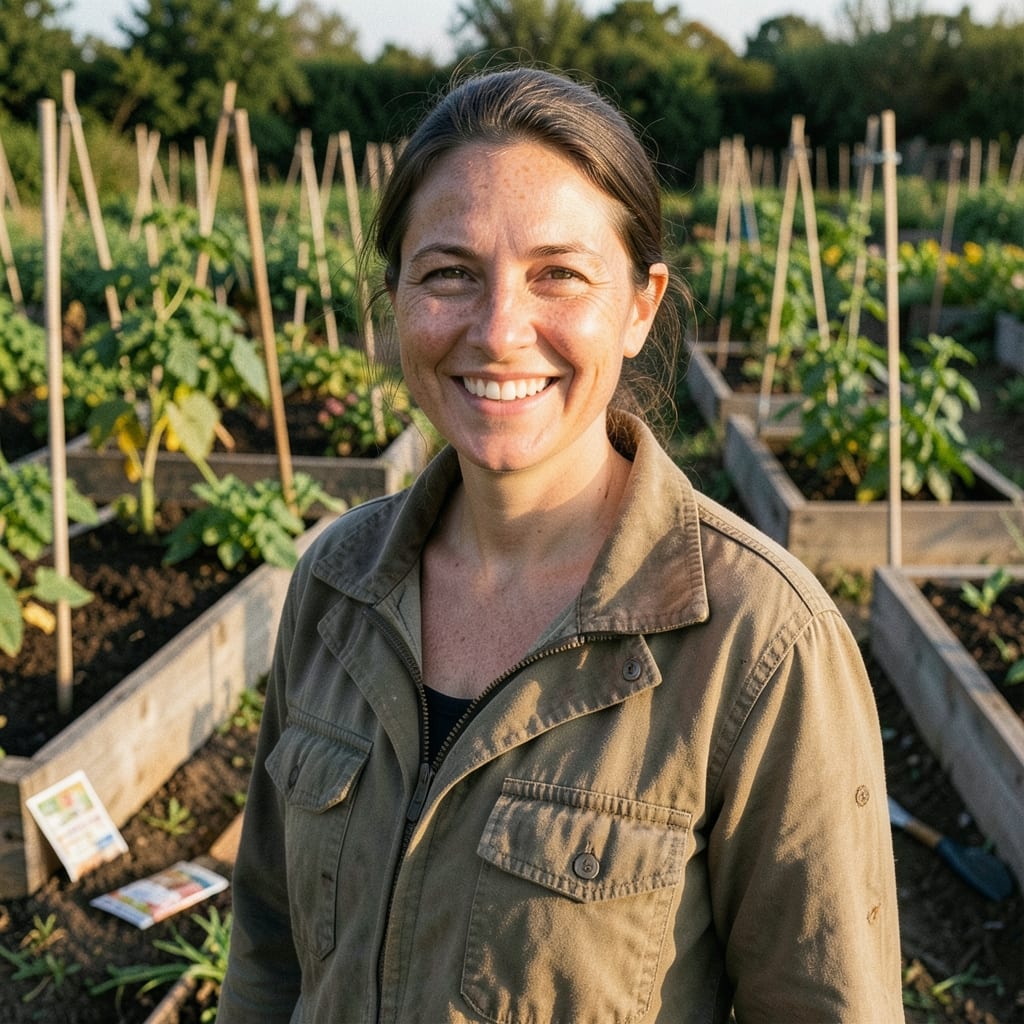
I remember the first time I planted a seed—it was a sunflower in a cracked clay pot on my grandmother’s windowsill. Watching it grow into something bright and tall made me realize how rewarding gardening could be. Now, I’m here to share the joy of cultivating your own little patch of green, whether you’re a seasoned green thumb or just starting out. My goal is to make gardening approachable, practical, and full of small victories that make the effort worth it.
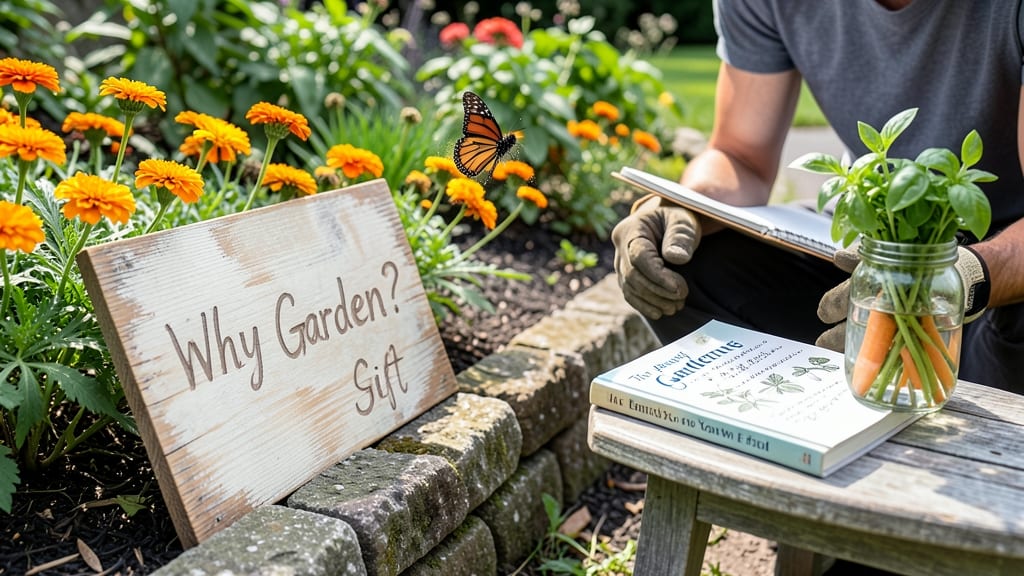
💥 Quick Answer Gardening is important because it reduces stress, lowers cortisol levels, and boosts mood through exposure to nature and hands-on activity, while also fostering mindfulness and a sense of accomplishment…
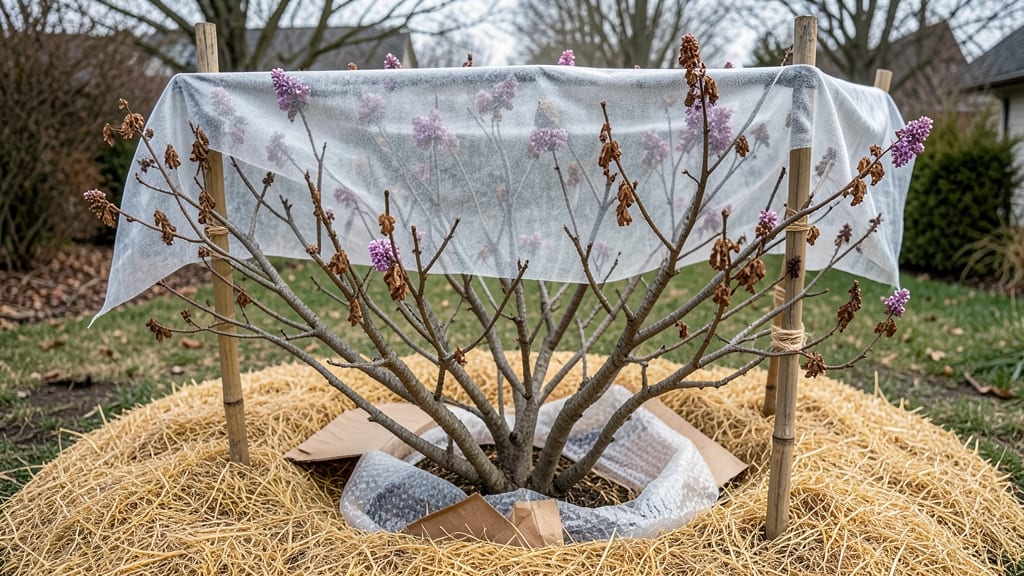
Winter protection for your garden is the key to keeping your plants alive and thriving when spring rolls around. Frostbite and freezing winds can turn your thriving garden into a winter wasteland—but the right winter…
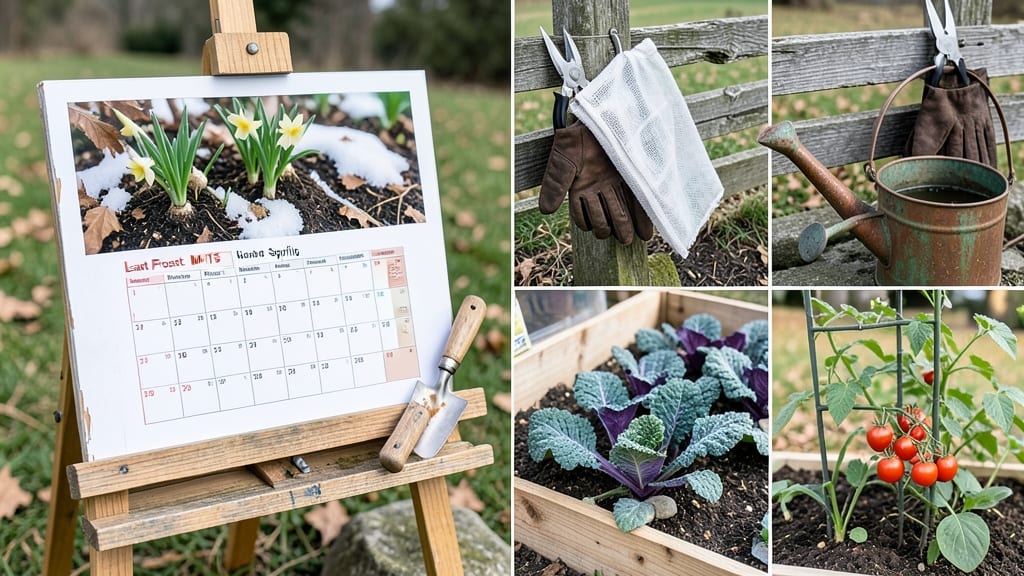
💥 Quick Answer A Wisconsin gardening calendar helps you plan your planting schedule based on the state's frost dates—typically the last spring frost around May 15 (Zone 4b-5a) and the first fall frost by September 15…
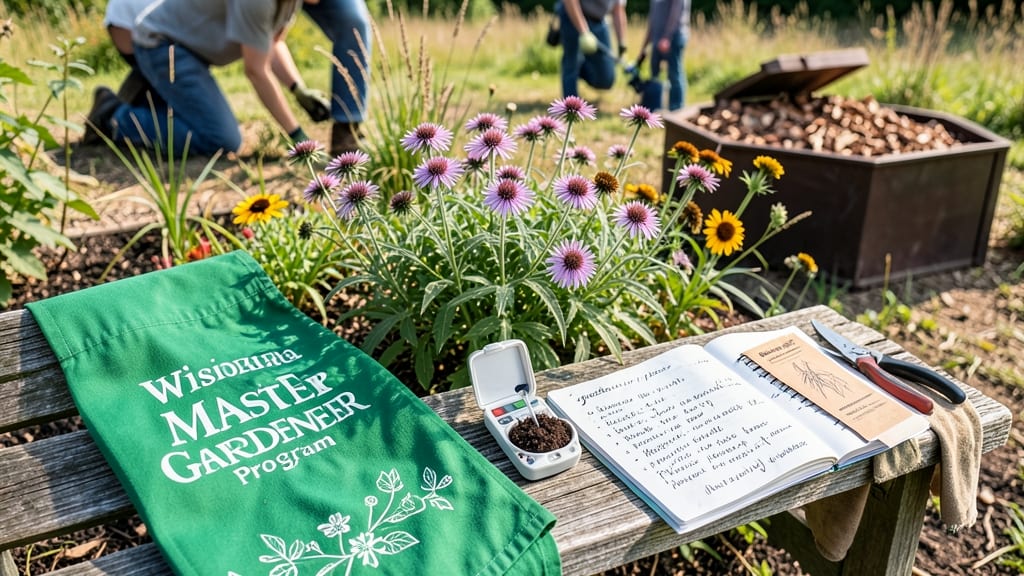
💥 Quick Answer The Wisconsin Master Gardener Program trains volunteers in sustainable gardening practices, plant science, and horticulture to support local communities through education and service, requiring 40 hours…
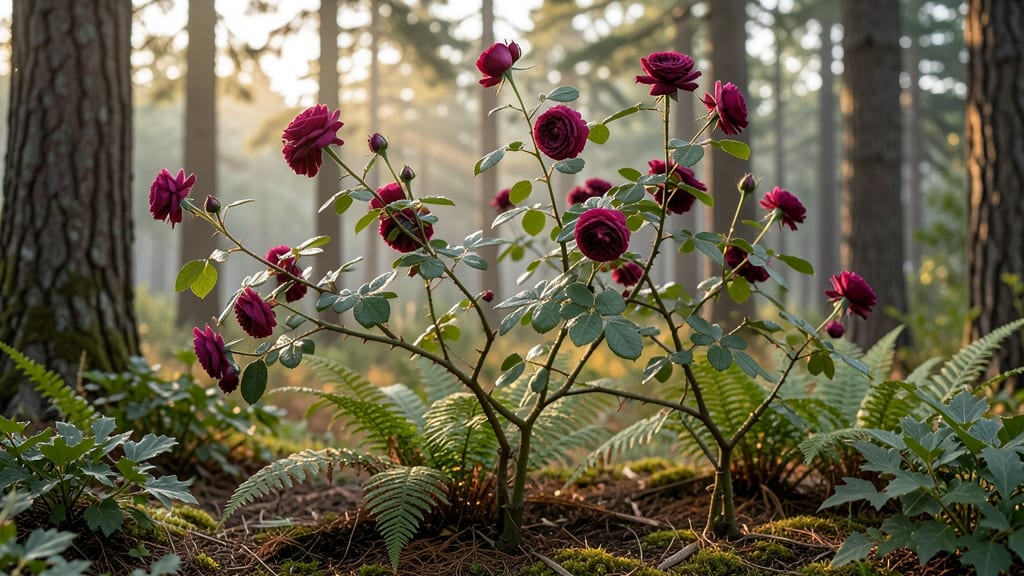
💥 Quick Answer The Woodland Park Rose Garden at North 50th Street in Seattle, WA, offers free public access with hours from 6:00 AM to 10:00 PM daily, though peak blooms typically occur May through September. Entry is…
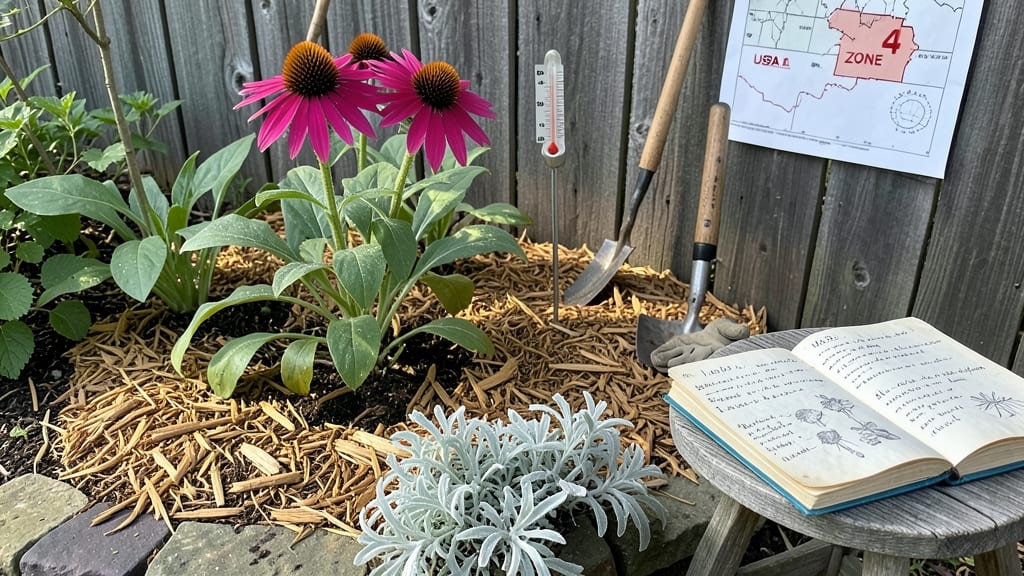
💥 Quick Answer Zone 4 gardening thrives in cold climates with temperatures ranging from -30°F to -20°F, requiring frost-resistant plants like coneflowers, Russian sage, and hardy vegetables such as kale and potatoes…
💥 Quick Answer Fun facts about gardening reveal nature's hidden wonders, from plants that communicate through underground fungal networks to the 10,000-year-old aspen clone that's Earth's oldest living organism. These…
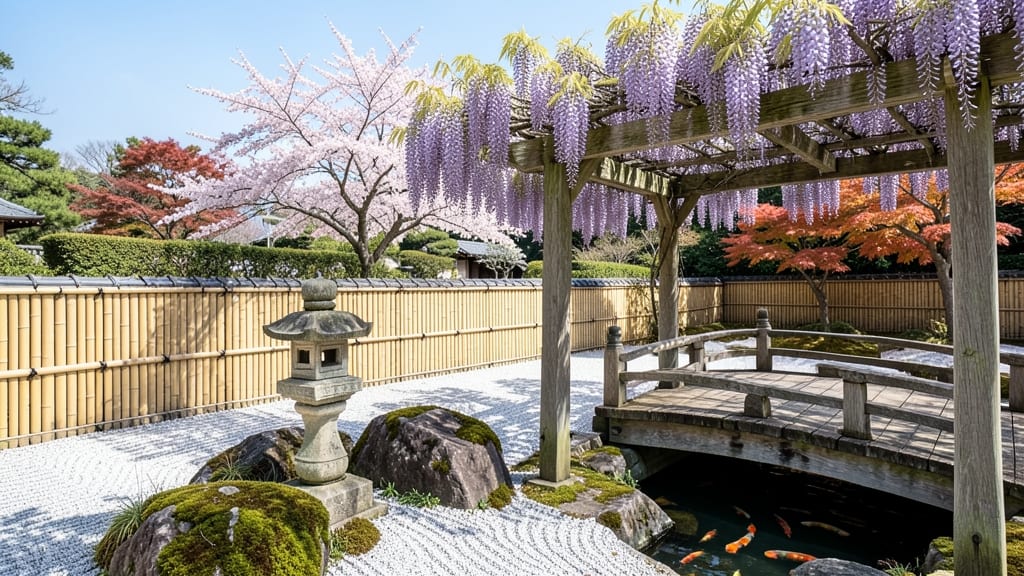
💥 Quick Answer Wisteria in Japanese gardens thrives as a treasured ornamental vine, prized for its cascading lavender blooms and deep cultural significance, requiring careful pruning, well-draining soil, and partial…
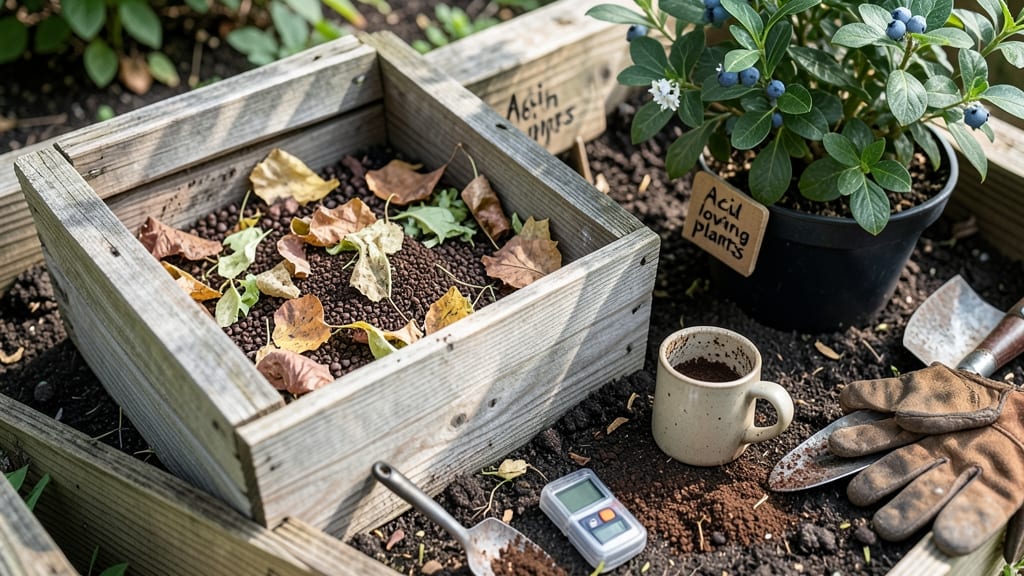
💥 Quick Answer Yes, you can put coffee grounds in your garden—they enrich soil with nitrogen, improve moisture retention, and deter pests, but overuse may raise acidity or attract mold. Use sparingly, especially for…
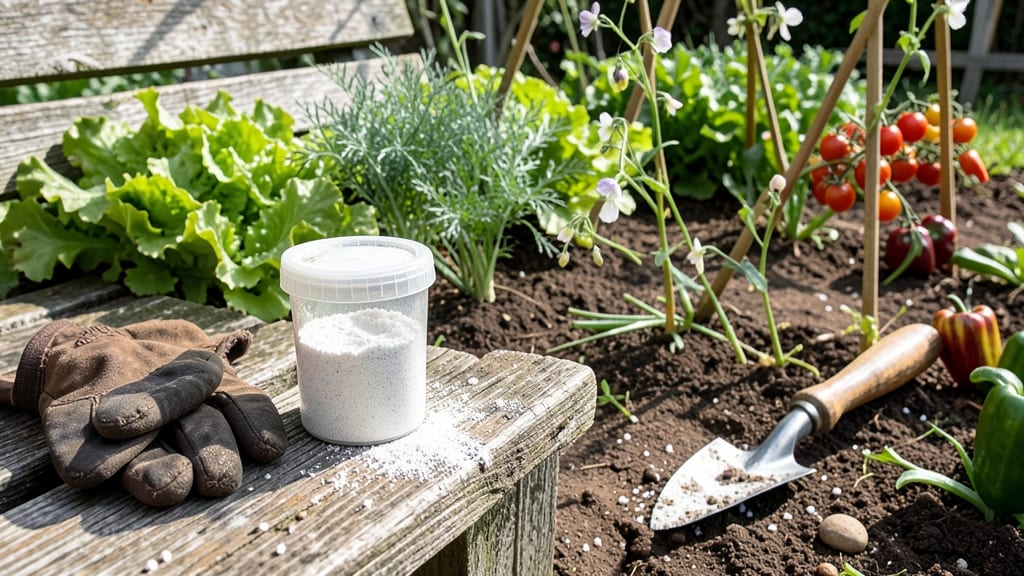
💥 Quick Answer Milky spore is safe for vegetable gardens when used properly, as it specifically targets Japanese beetle grubs while leaving plants and beneficial insects unharmed. Organic gardeners should still avoid…