
Planting
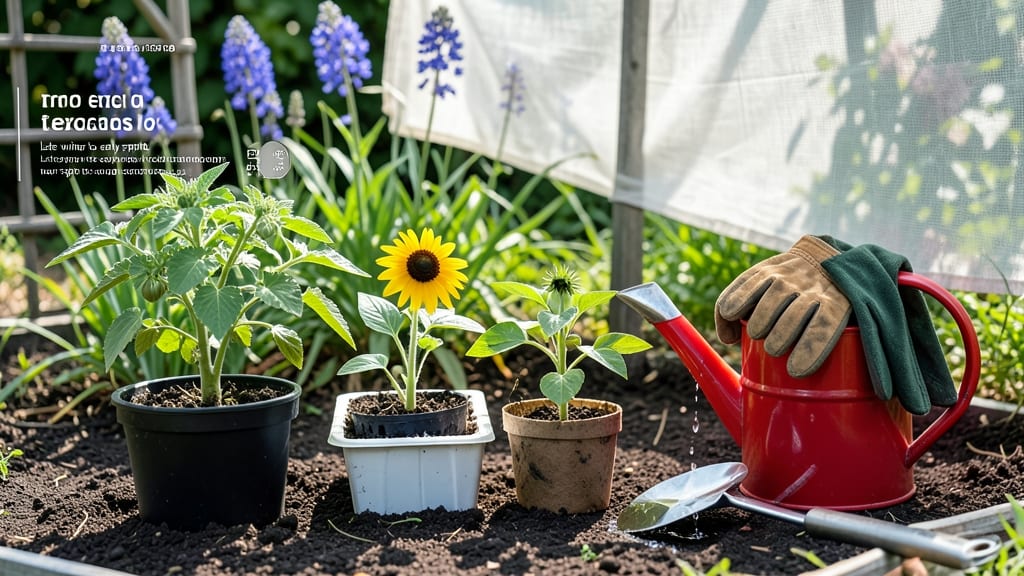
Planting a garden in Texas means timing it right—soil temperatures and regional heat zones decide whether your 🌱 thrives or wilts before it grows.
Texas gardeners know timing is everything—plant too early, and your crops wilt in the relentless summer heat; too late, and you miss the growing season entirely. But with the right heat-tolerant varieties and region-specific planting dates, you can grow a thriving garden year-round.
From the cool high plains to the humid Gulf Coast, Texas spans multiple climate zones, each with its own ideal planting window. Whether you’re sowing seeds in late winter or transplanting in early spring, knowing the exact months for your region makes all the difference.
Here, I break down the best months to plant by Texas region, the heat-tolerant crops that perform best, and the common mistakes that sabotage gardens before they even take root.
Texas planting calendar: exact months by region (north, central, south)
Texas's diverse climate means your planting schedule depends heavily on whether you're in the North Texas highlands, the Central Hill Country, or the South Texas coastal plains. Each region has unique last frost dates and heat thresholds that dictate when to sow seeds or transplant seedlings.
For example, North Texas (like Dallas) typically has its last frost around March 15, while South Texas (Houston area) rarely sees frost at all. Let’s break down the exact months for planting vegetables, herbs, and flowers in each zone.
Understanding these planting windows is critical because Texas summers are brutal—90°F+ temperatures can scorch tender seedlings. That’s why I focus on heat-tolerant varieties and staggered planting to extend your harvest.
For instance, okra and sweet potatoes thrive in the heat, while lettuce and spinach prefer cooler spring and fall months. Let’s dive into the specifics for each region.
In North Texas, where frosts linger longer, I always start cool-season crops like broccoli and cabbage in February under row covers. By March 15, the threat of frost has passed, so I transplant tomatoes and peppers into the garden.
For summer planting, I switch to heat-loving crops like okra and sweet potatoes in June, once soil temperatures exceed 70°F. Fall is another prime time for leafy greens and root vegetables, with planting windows opening in August.
Central Texas gardeners enjoy a slightly longer growing season. I begin sowing cool-season seeds as early as January, with warm-season transplants like basil and cucumbers ready by February. The key here is to avoid planting too early—soil in Central Texas can still be chilly, stunting growth.
For summer crops, I focus on May–June plantings, using shade cloth to protect seedlings from the 90°F+ afternoons. Fall planting kicks off in July, with a focus on heat-tolerant greens like Malabar spinach.
If you’re in South Texas, you’re in luck—no frost worries! I take advantage of this by planting cool-season crops
Best heat-tolerant vegetables and flowers for Texas gardens
Texas summers can push temperatures past 100°F, making heat tolerance a non-negotiable trait for successful gardening. The key is selecting varieties bred to thrive under intense sun and minimal water stress. From okra to Lantana, these plants won't just survive—they'll flourish with the right care and timing.
For spring planting, focus on heat-loving crops that establish roots before summer's peak. In summer, prioritize shallow-rooted varieties that conserve moisture. Fall offers a second chance for cool-season crops that tolerate brief heat exposure.
Let's dive into the top performers for each season, including planting depths and spacing guidelines tailored to Texas conditions.
- 1 Spring (Feb-April): Plant okra and sweet potatoes 1-2 inches deep, spacing 12-18 inches apart. These thrive in 80-90°F soil and handle Texas humidity.
- 2 Summer (May-July): Sow black-eyed peas and Lantana ½ inch deep, spacing 6-12 inches apart. Both tolerate drought conditions and attract pollinators like butterflies.
- 3 Fall (Aug-Sept): Transplant collard greens and zinnia ½ inch deep, spacing 8-10 inches apart. These handle 90°F+ temps early in the season before cooling.
- 4 Year-Round: Rosemary and pepper varieties (like Jalapeño) thrive with full sun exposure. Plant peppers 1 inch deep, spacing 18 inches apart, and prune rosemary to encourage bushier growth.
When selecting vegetables, prioritize okra and sweet potatoes for spring—they establish quickly and handle Texas' humid heat. For summer gardens, black-eyed peas and eggplant are powerhouses, producing within 60-70 days of planting. Their shallow roots minimize water waste during droughts.
For flowers, Lantana and zinnia are my top picks—they bloom nonstop from spring to frost and attract pollinators like bees and hummingbirds. Plant Lantana in well-draining soil and space 12-18 inches apart to prevent overcrowding.
In fall, don't overlook collard greens and kale. These cool-season crops tolerate brief heat exposure and sweeten as temperatures drop. Sow seeds ¼ inch deep and thin seedlings to 12 inches apart for optimal growth.
Watering is critical in Texas heat—always water deeply in the morning to reduce evaporation. Use drip irrigation for vegetables and soaker hoses for flowers to deliver moisture directly to roots. Avoid overhead watering, which can promote fungal diseases in humid conditions.