
Container Gardens
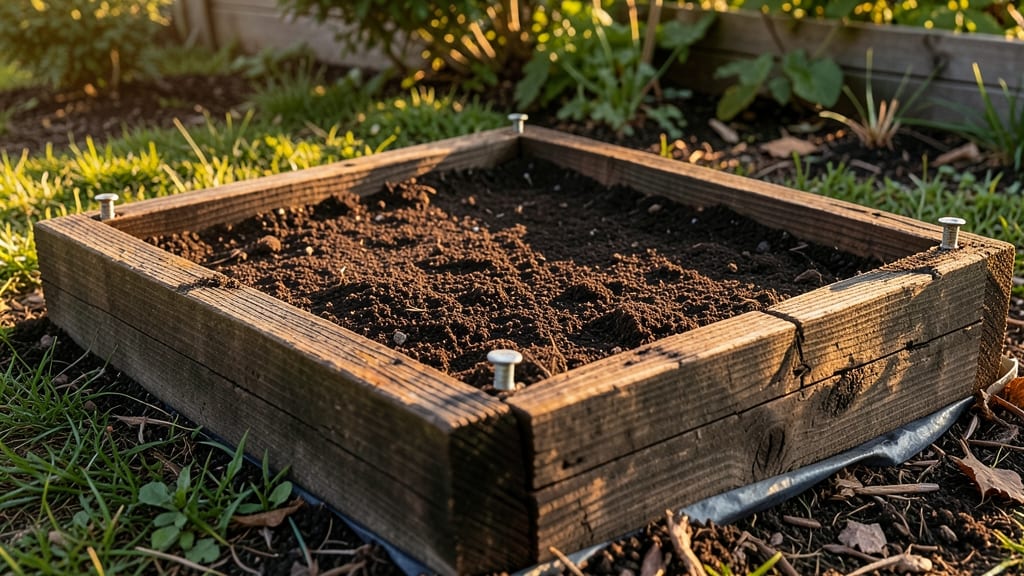
Railroad ties are not safe for gardens because they contain creosote and pentachlorophenol, toxic chemicals that leach into soil over time. These compounds can stunt plant growth, contaminate groundwater, and even pose health risks to pets and humans. Use untreated cedar, composite materials, or metal edging instead.
Using railroad ties in your garden might seem like a sturdy, low-cost solution, but the risks far outweigh the benefits. 🌱 The chemicals in treated railroad ties don't just harm plants—they can linger in the soil for years, affecting future crops or landscaping.
I've seen cases where even years after removal, soil tests still showed elevated levels of these toxins. For a safer approach, consider untreated cedar wood, which naturally resists rot, or composite lumber made from recycled materials.
Metal edging is another durable option that won't degrade or leach chemicals into your garden.
What's interesting is how these alternatives perform differently. Untreated cedar, for example, ages beautifully with a silver patina but requires occasional sealing. Composite materials won't rot or warp, making them ideal for high-moisture areas, while metal edging offers a sleek, modern look that lasts decades with minimal upkeep.
Each option brings something unique to your garden design while keeping your plants—and your family—safe from harmful chemicals.
💡 In This Article
- Chemical Risks of Railroad Ties in Garden Soil
- Safer Garden Border Alternatives to Railroad Ties
Chemical risks of railroad ties in garden soil
Railroad ties are typically treated with creosote or pentachlorophenol (PCP), both of which are classified as hazardous materials by the EPA.
Creosote, a coal-tar derivative, contains polycyclic aromatic hydrocarbons (PAHs) that can seep into soil at rates of up to 0.1-0.5 pounds per square foot annually during the first few years.
These chemicals don't just stay on the surface—they migrate downward through soil layers, potentially reaching groundwater within 3-5 years depending on soil composition. 🌱
The toxicity mechanism works through direct plant uptake: roots absorb these chemicals through their vascular systems, disrupting cellular functions. Studies show PCP concentrations as low as 5 parts per million (ppm) can inhibit root growth by 30-50%, while higher levels (>20 ppm) cause leaf chlorosis and stunted development.
What's alarming is that these chemicals persist in soil for decades, with half-lives of 5-10 years for PAHs and even longer for PCP. This means your garden could remain contaminated even after removing the ties.
For humans and pets, the risks are equally concerning. Skin contact with creosote-treated wood can cause irritation, while inhalation of wood dust containing these chemicals has been linked to respiratory issues. The EPA classifies PCP as a probable human carcinogen, meaning long-term exposure increases cancer risks.
Children playing in contaminated soil or pets digging near treated ties face particularly high exposure risks due to their closer contact with the ground. 🚨
What makes this worse is how these chemicals interact with organic matter. Microorganisms in soil can break down some compounds, but the process creates intermediate toxins that are even more harmful.
For example, PAH breakdown products like quinones can damage plant cell membranes, leading to nutrient deficiencies that mimic drought stress—even when soil moisture levels are normal. This explains why plants near railroad ties often show symptoms like yellowing leaves or poor flowering, regardless of care practices.
The visual clues are often subtle but telling: plants growing near treated ties may exhibit stunted growth, darkened root systems, or unusual leaf patterns. In severe cases, you might notice a tar-like residue in soil or water runoff after rain.
These signs indicate active chemical leaching, which means the contamination is ongoing and not just a historical issue from past treatment. The longer the ties remain in place, the deeper and more widespread the contamination becomes.
Here's what happens at the molecular level: creosote's PAHs bind to soil organic matter through hydrophobic interactions, while PCP's chlorine atoms make it highly mobile in water. This dual mechanism explains why these chemicals spread both vertically (downward) and horizontally (through runoff) in garden soils.
The result is a persistent chemical gradient that affects plants at varying distances from the source—sometimes up to 3 feet away in sandy soils. 🔬