
Lawn
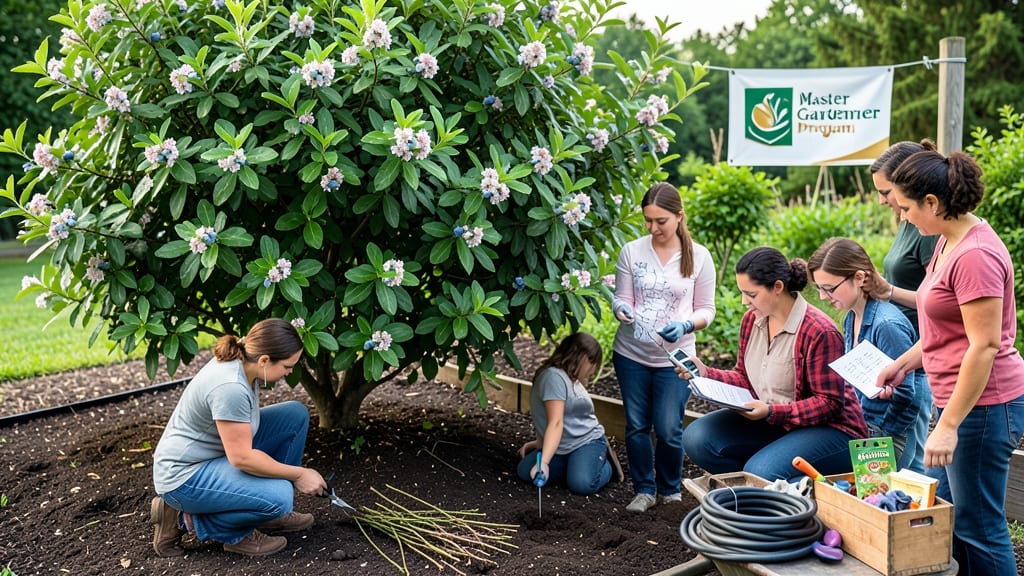
The Master Gardener Program in Maine trains volunteers through the University of Maine Cooperative Extension to support sustainable gardening and community education, with applications typically accepted in spring and hands-on training covering horticulture, pest management, and soil health.
The Master Gardener Program in Maine stands out because its curriculum adapts to the state's unique climate challenges, like cold-hardy plants and invasive species management. 🌱 Unlike national programs, Maine's version emphasizes hands-on learning with local experts, ensuring volunteers gain practical skills tailored to New England gardening.
This program doesn't just teach techniques—it builds a community of gardeners who actively support sustainable practices across the state.
If you're considering applying, timing is key: most programs open applications in early spring, with training kicking off in late spring or summer.
The commitment requires about 50 hours of classroom instruction plus 50 hours of volunteer service, making it ideal for those who want to deepen their gardening knowledge while giving back. Maine's program also offers ongoing support through local extension offices, so you're never learning alone.
💡 In This Article
- How Maine’s Master Gardener Training Differs from National Standards
- Step-by-Step Guide to Applying for Maine’s Master Gardener Program
How Maine’s master gardener training differs from national standards
Maine’s Master Gardener Program stands out because it’s laser-focused on the state’s unique ecological challenges. While national programs often cover broad horticulture topics, Maine’s curriculum dives deep into cold-climate gardening—think Zone 3-5 hardiness and strategies for short growing seasons.
The training emphasizes native plants like serviceberry (Amelanchier spp.) and wild bergamot (Monarda fistulosa), which thrive in Maine’s rocky soils and acidic conditions, unlike many non-native varieties taught elsewhere. 🌿
The partnership with the University of Maine Cooperative Extension ensures the program stays rooted in local research.
For example, classes often include field trips to research farms like the H. H. Hodgdon Memorial Garden in Skowhegan, where volunteers learn about invasive species control—a critical focus in Maine, where species like Japanese knotweed (Fallopia japonica) and autumn olive (Elaeagnus umbellata) disrupt ecosystems.
The curriculum also prioritizes soil health in acidic environments, teaching techniques like lime applications and organic matter amendments tailored to Maine’s pH levels (4.5-5.5).
What sets Maine apart is its hands-on, community-driven approach. Unlike some national programs that rely heavily on online modules, Maine’s training includes mandatory fieldwork, such as diagnosing plant diseases in local gardens or assisting with community food gardens.
This practical experience ensures volunteers gain skills directly applicable to Maine’s climate, from season extension techniques (like cold frames) to winterizing perennials for harsh winters. 🌡️
The program also integrates sustainable landscaping principles specific to New England, such as rain gardens for stormwater management—a growing need in Maine’s urban areas.
Topics like integrated pest management (IPM) for Maine’s common pests (e.g., emerald ash borer) are taught with a focus on ecological balance, not just chemical solutions. This holistic approach aligns with Maine’s conservation goals, making graduates well-equipped to address local challenges.
Another key difference is the program’s strong ties to tribal and Indigenous gardening practices, particularly in regions like Wabanaki homelands. Workshops often feature guest speakers from tribes like the Penobscot Nation, sharing traditional knowledge of three-sister gardening (corn, beans, squash) adapted to Maine’s climate.
This cultural integration is rare in national programs and adds depth to the training.
Finally, Maine’s program includes ongoing mentorship through local extension offices, ensuring volunteers receive support long after training. This contrasts with some national programs where post-training resources are limited.
Whether you’re tackling heavy clay soils in southern Maine or poor drainage in coastal areas, the program’s local focus ensures you’ll leave with actionable, climate-specific skills. 💡