
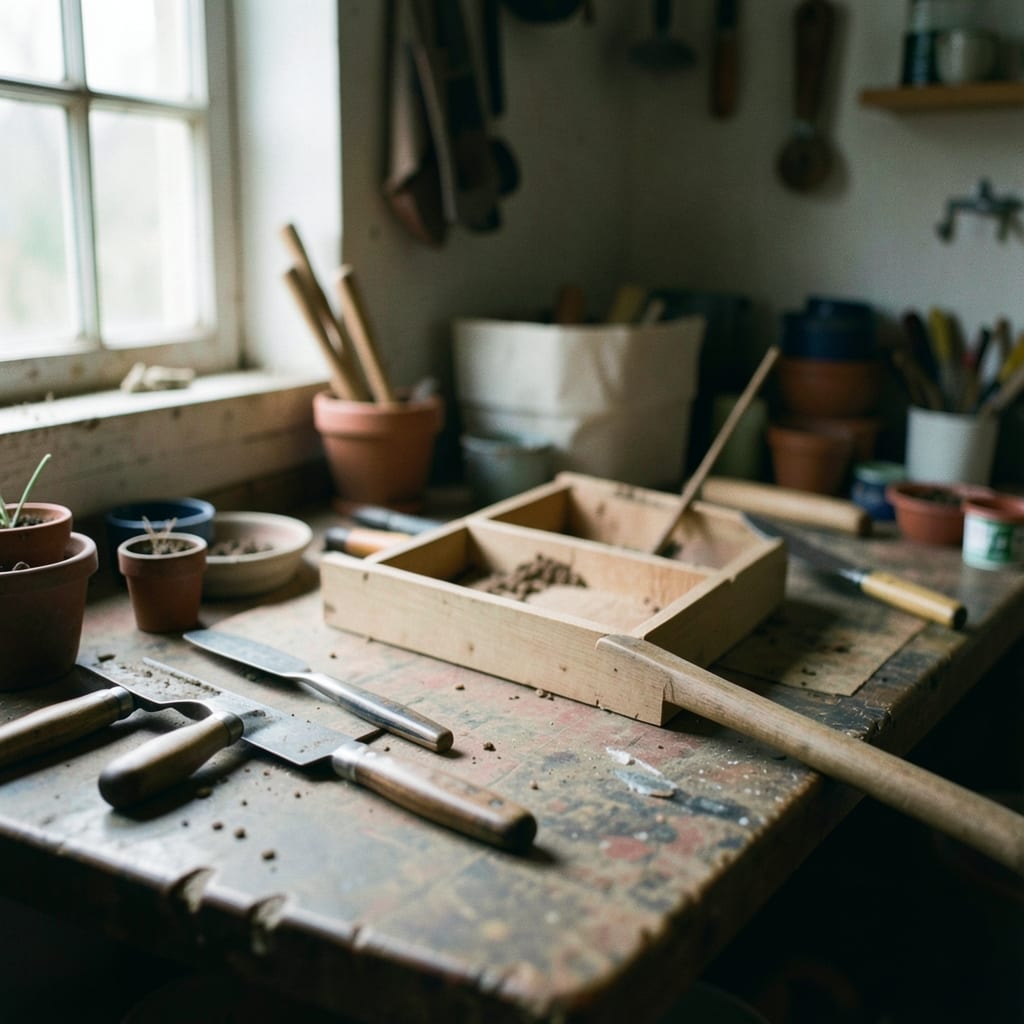
Welcome to Garden Patch Guide
There’s a quiet moment in gardening when the first leaf breaks through the soil—just a green crack in the silence, proof that something is happening beneath your hands. This site exists for those moments, the small victories and the stubborn lessons.
Whether you’re wrestling with a stubborn seedling or celebrating a harvest, we’re here to help you grow what you plant.
This is for the beginner who’s never held a trowel, the weekend gardener with a balcony full of pots, and the veteran who knows the exact moment the tomatoes will ripen. No fluff, no empty promises.
Just the dirt, the work, and the satisfaction of watching something thrive because of your care.
Our story
Gardening advice used to live in dusty seed catalogs or the half-remembered wisdom of a neighbor who swore by ‘a pinch of this’ and ‘a dash of that.’ When Yvette planted her first sunflower in a cracked clay pot, she found no one explained why the soil needed drainage *or* how to tell when a seed was actually rotten.
The answers were scattered, contradictory, or buried in jargon. So she started writing them down—not as rules, but as lessons learned the hard way.
The first drafts were messy: a mix of notebook scribbles and frantic Google searches after a frost wiped out a bed of lettuce. But over time, the site grew from a personal ledger into a place where others could recognize their own gardening struggles.
The turning point came on a rainy afternoon in early May, when an email arrived from a reader in a high-rise apartment who’d finally coaxed basil to flower using the ‘flip-the-pot’ trick Yvette had described months earlier.
That small win—someone else’s, not hers—proved the site wasn’t just about sharing knowledge, but about making gardening feel possible for people who’d been told it wasn’t.
Now, the work happens in a sunlit corner of a shared workspace, where potting soil still gets tracked onto the floor and the ‘experts’ are the ones who admit when they killed a plant.
The site remains what it started as: a patch of ground where mistakes are part of the process, and every gardener—no matter their experience—has a place to belong.
What we stand for
We believe gardening should be rewarding, not intimidating. That means no empty phrases like ‘organic’ or ‘sustainable’ without explaining *how* they actually work in a backyard.
We also believe the best advice comes from people who’ve dropped tools mid-instruction, overwatered until their tomatoes split, or watched a prized rose bush get munched by rabbits. Those failures? They’re the real lessons.
What you will always get here
- Practical advice that assumes you don’t have a greenhouse, a PhD in botany, or unlimited time.
- Honest answers to questions like *‘Why did my zucchini turn bitter?’* or *‘How do I keep slugs off my hostas?’*—no sugarcoating.
- Stories about the plants that survived (and the ones that didn’t), because gardening is as much about resilience as it is about green thumbs.
- A focus on what grows *where you live*, not just in perfect climates or ideal conditions.
You will *not* find here: step-by-step guides that ignore your local pests, soil, or weather; ads for ‘miracle’ products that promise instant results; or gardening that treats plants like they’re all the same.
This site is for the real work—the dirt under your nails, the trial and error, and the quiet joy of seeing something grow because of your hands.
Meet the team
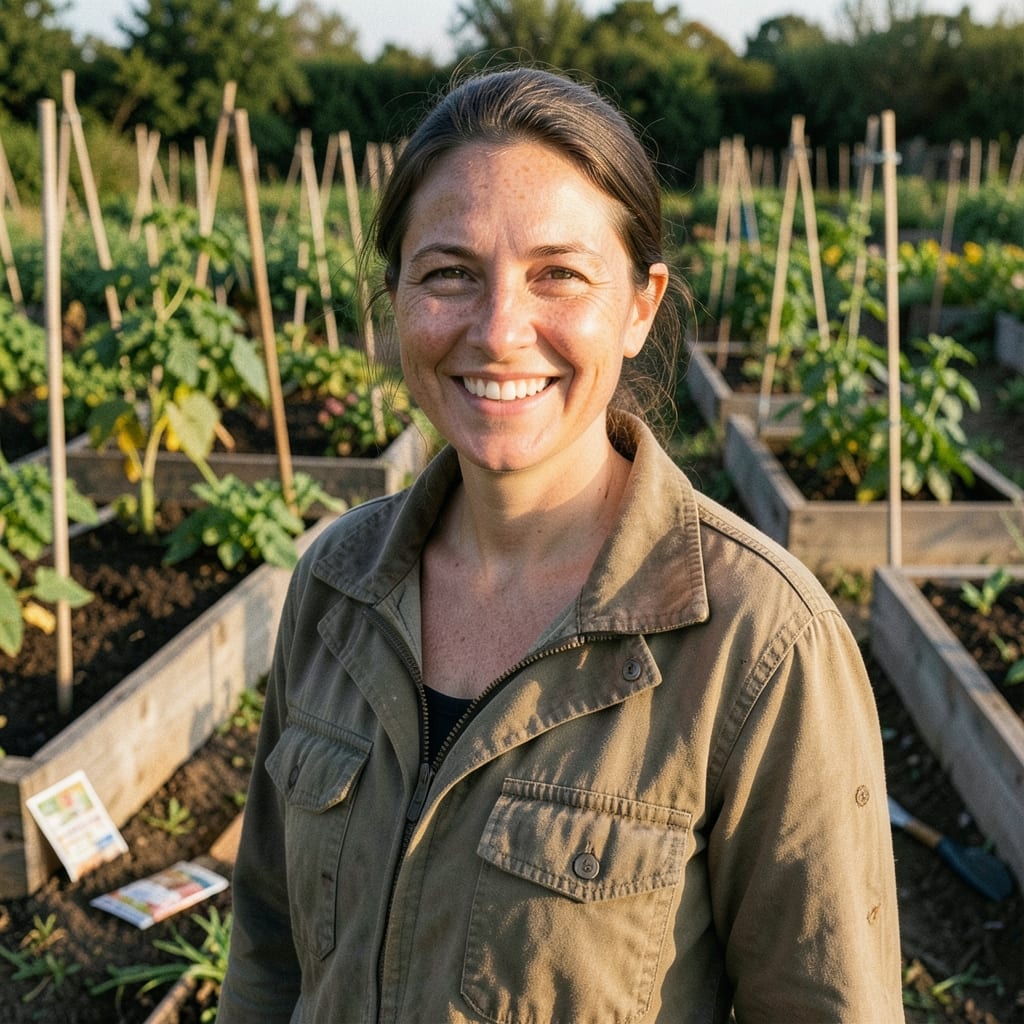
Behind *Garden Patch Guide* is a small group of gardeners who’ve all, at some point, buried a shovel in frustration or celebrated a harvest like it was a personal victory. We’re not botanists, farmers, or landscape designers—we’re the people who show up with questions, make mistakes, and keep trying anyway.
Our backgrounds range from urban balconies to inherited family plots, but the one thing we share is a refusal to let gardening feel like a chore. If there’s a way to make it easier, faster, or just a little less stressful, we’ll find it—and write about it.
Yvette Cardoso
Yvette Cardoso is the founder and editor of *Garden Patch Guide*, though she’d rather be outside than at a desk. Her approach to gardening is rooted in the lessons learned from her grandmother’s windowsill sunflowers and the years spent coaxing life from cracked pots and stubborn soil.
Before launching the site, she worked as a freelance writer, but her real education came from the trial-and-error of her own garden—where she once accidentally grew a patch of wild carrots from ‘forgotten’ seeds and now treats them as a victory.
She keeps a pair of well-worn gardening gloves on her desk as a reminder: the best advice is the kind that’s been tested with calloused hands.
Yvette’s weakness is over-planting. She’ll confess to buying extra seeds ‘just in case,’ only to watch half of them go to seed in a forgotten corner. Her saving grace? A strict rule against buying more than three types of tomato plants in a single season.
She starts her workday at 6 a.m., when the garden is still quiet, and her favorite tool is a trowel she’s had since college—chipped at the edge but reliable.
I still remember the first time I saw a seedling push through the soil. It wasn’t the sunflower—I’d expected that. It was a tiny, stubborn weed that had sprouted in a crack in the pavement. That’s the magic of gardening: you’re not just growing plants, you’re growing patience, and a little bit of hope. If you’re here, you already know that.
Yvette Cardoso
How we create our content
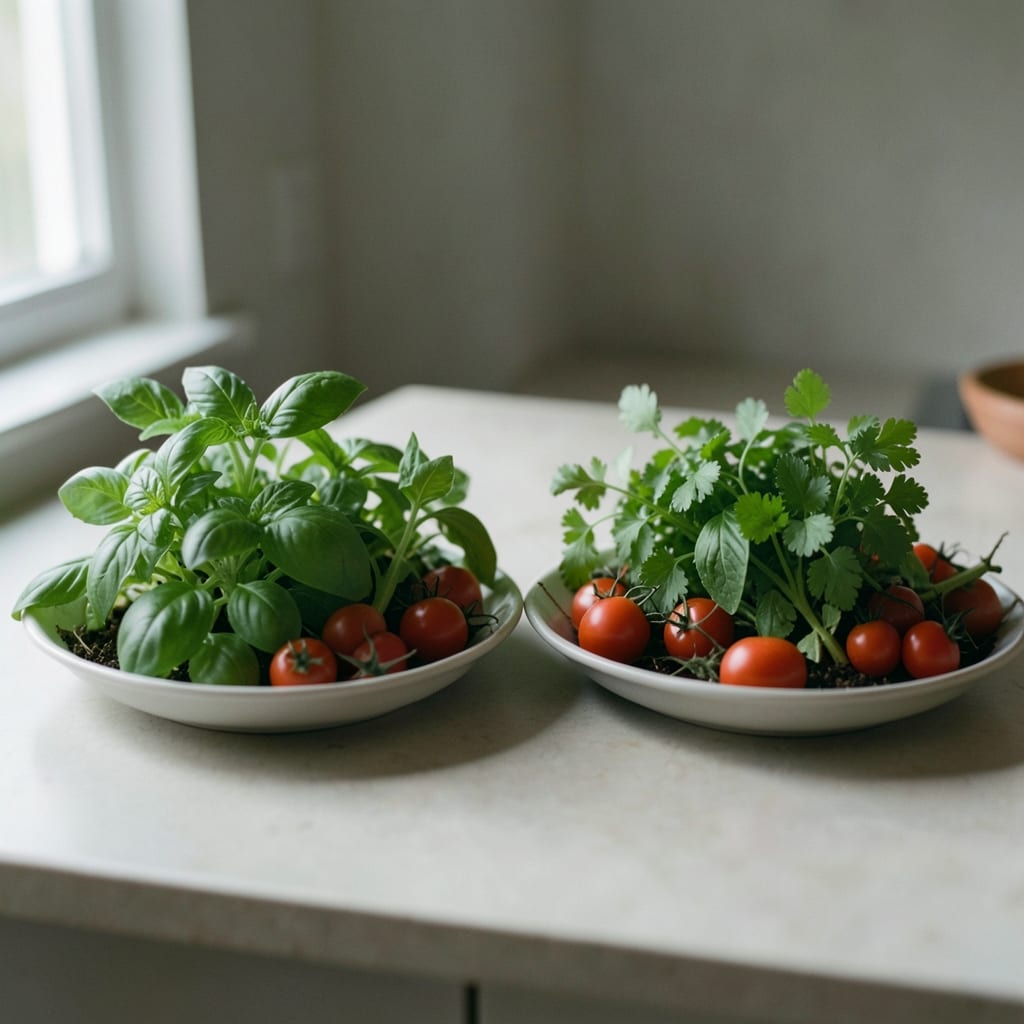
Every piece on *Garden Patch Guide* starts with a question—either one we’ve heard from readers or one we’ve asked ourselves after a gardening disaster.
There’s no ‘perfect’ garden to model; instead, we look at what *actually* works in real conditions: a balcony in Brooklyn, a suburban yard in Texas, or a community plot in London.
The goal isn’t to tell you how to garden like an expert, but to show you how to garden *where you are*.
Researching the real conditions
Before we write about a plant or technique, we test it in at least three different settings—urban, suburban, and rural—using soil samples, local climate data, and the input of gardeners who’ve tried the same thing before.
For example, our guide to growing peppers in containers wasn’t written in a greenhouse; it was drafted after tracking heat retention in black pots vs. terracotta across three summers, with notes on when to fertilize and how to handle blight in humid climates.
The research phase alone can take weeks, especially when we’re chasing down why a ‘foolproof’ method failed in one region but worked in another.
We also dig into the science—but only the parts that matter to home gardeners. No jargon, no assumptions about degrees. If a study shows that marigolds deter nematodes, we’ll tell you how to plant them in a way that actually works in a 4x4-foot bed, not just in a lab.
The key numbers—like soil pH thresholds or watering intervals—are always tied to real-world examples. And if a method doesn’t hold up? We say so. Transparency isn’t just a value; it’s the only way to earn trust.
Editing for the messy middle
The first draft of every guide is written in the voice of someone who’s still learning—because that’s who we’re writing for. But the real work happens in the editing, where we strip out the guesswork and sharpen the advice.
Take our troubleshooting section for yellowing leaves: it doesn’t just list possible causes (nutrient deficiency, overwatering, pests). It walks through how to tell them apart—like checking the soil moisture with your finger before blaming ‘poor drainage’—and what to do next.
We also include a ‘what went wrong’ sidebar for each topic, where we admit our own mistakes (like the time we over-fertilized and lost a bed of lettuce) and how we fixed them.
Every piece is reviewed by at least two people: one who’s grown the plant in question and one who hasn’t. The goal? To make sure the advice works for both the seasoned gardener and the beginner who’s never held a trowel. If a step feels unclear, we rewrite it.
If a tool is too expensive for most people, we suggest a budget alternative. And if a method is only useful in ideal conditions, we’ll tell you how to hack it for your reality—because gardening isn’t about perfection, it’s about progress.
Join our community
This site exists because gardening is better when you’re not doing it alone. Here, you’ll find answers to questions like *‘Why is my tomato plant flowering but not fruiting?’* or *‘How do I save my dying houseplant?’*—plus the occasional rant about squirrels stealing sunflower seeds.
Readers also share their own successes (and failures), from the first time they grew a pepper from seed to the year they finally beat the aphids. Good suggestions get tested and, if they work, added to the guides. The worst?
Let's connect
We love hearing about the plants you’re growing, the pests you’re battling, or the gardening wins (big or small) that made your day. Did you save a dying fern with a last-minute prune? Did your zucchini suddenly explode with flowers? Send it our way.
If you’ve got a question or a tip to share, the contact page is where to start. Let’s grow something together—one seed, one shovel, one lesson at a time.
The guides are grouped by category: Advice, Blooming, Container Gardens, How To, Picking and Planting.