
Blooming
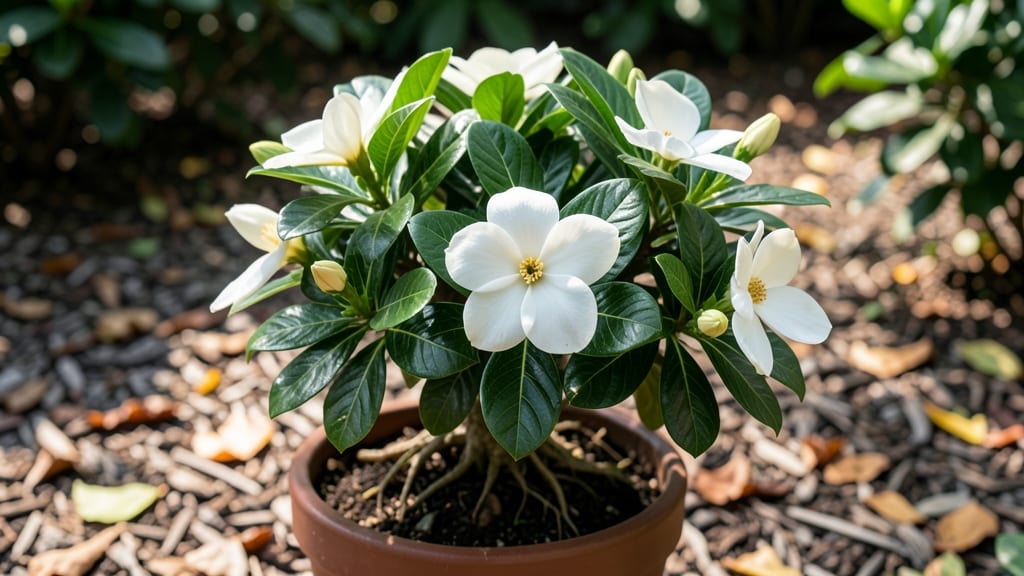
Gardenia blooms typically last between 4 and 8 weeks per flush, but their fragrance and beauty can feel fleeting if you don’t know how to extend that time.
If you’ve ever wondered why your gardenia’s intoxicating scent fades too soon, you’re not alone—these tropical beauties have a surprisingly short natural blooming window. But with the right care, you can transform that short-lived display into a season-long spectacle of creamy white blooms and heady perfume.
The key lies in understanding their natural cycle—most gardenias peak in spring and summer, but varieties like ‘Kleim’s Hardy’ or ‘Radicans’ can rebloom with proper pruning and feeding. Climate plays a role too: warmer zones like 6a may see multiple flushes, while cooler areas get just one.
In this guide, I’ll break down how sunlight, soil pH, and even your watering routine can stretch those blooms from weeks to months—plus the one pruning trick that triggers a second round of flowers in the right conditions.
Natural gardenia blooming duration: seasonal cycles explained
Native to warm climates, gardenias (Gardenia jasminoides) typically bloom for 4-8 weeks per flush, with their peak season aligning with spring and summer. In tropical regions, they may produce continuous blooms year-round, while temperate zones experience a more defined spring-to-early summer display.
Understanding these natural cycles helps set realistic expectations and optimize care for longer-lasting fragrance.
Your gardenia’s blooming window depends heavily on its native climate adaptation. Tropical varieties, like those thriving in USDA Zones 8-11, may enjoy multiple bloom cycles annually if conditions remain ideal.
Meanwhile, gardenias in cooler zones (6a-7b) often produce just one primary flush, with blooms lasting 3-6 weeks before fading.
Environmental factors like sunlight, temperature, and humidity directly influence bloom duration. Gardenias need bright, indirect light (4-6 hours daily) to sustain flowering—too much direct sun can scorch blooms, while insufficient light weakens stems and reduces bloom counts. Similarly, consistent humidity (50%+) prevents buds from drying out prematurely.
Temperature also plays a critical role. Gardenias thrive in 65-75°F ranges, where they produce the most abundant blooms. Heatwaves above 85°F or sudden cold snaps can shock the plant, causing buds to drop or blooms to wilt faster.
In temperate climates, gardeners often see blooms peak in late spring to early summer, tapering off by mid-summer as temperatures rise.
| Factor | Impact on Bloom Duration | Ideal Conditions |
|---|---|---|
| Climate Zone | Tropical: Year-round blooms; Temperate: 4-8 weeks per flush | Zones 8-11: Continuous care; Zones 6a-7b: Spring/summer focus |
| Sunlight | Too much sun = scorched blooms; Too little = weak stems | 4-6 hours bright, indirect light |
| Temperature | Extremes cause bud drop; Ideal range sustains blooms | 65-75°F (18-24°C) |
| Humidity | Low humidity = dried buds; High humidity = prolonged blooms | 50%+ (use pebble trays in dry climates) |
| Soil pH | Acidic soil = vibrant blooms; Alkaline soil = stunted growth | 5.0-6.0 (use sulfur or peat moss) |
In my own garden, I’ve noticed that gardenias planted in partial shade with morning sun produce blooms that last 2 weeks longer than those in full sun. The key is mimicking their natural understory habitat—think dappled light under tall trees.
If you’re in a hot, dry climate, consider planting gardenias near a water feature or using mulch to retain moisture and humidity around the roots.
Another critical factor is soil acidity. Gardenias demand acidic soil (pH 5.0-6.0) to thrive. If your soil is alkaline, blooms will be sparser and shorter-lived. I always test my soil in early spring and amend it with peat moss or sulfur if needed.
This simple step can double your bloom duration by ensuring the plant isn’t struggling to absorb nutrients.
For gardeners in temperate zones, the challenge is often triggering a second bloom cycle. While gardenias don’t naturally rebloom like some annuals, you can encourage a late-summer flush by pruning lightly after the first bloom and providing consistent care.
I’ve had success with dwarf varieties, like 'Kleim’s Hardy', which are more adaptable to cooler climates and may produce a second, smaller bloom cycle in fall.
Finally, don’t overlook the role of pruning in bloom duration. Pruning right after flowering (not during bloom time) removes spent blooms and encourages new bud formation. I always use sterilized shears to make clean cuts just above a leaf node.
Avoid heavy pruning—gardenias bloom on old wood, so aggressive trimming can reduce next year’s blooms.
With these seasonal cycles in mind, you can extend your gardenia’s blooming window by aligning care with its natural rhythms. Whether you’re in a tropical paradise or a cool temperate zone, understanding these patterns will help you maximize fragrance and beauty all season long. 🌸
5 Proven techniques to extend gardenia bloom time
Gardenias naturally produce their creamy-white blooms in short cycles, typically 4-8 weeks per flush. But with intentional care, you can transform that brief window into a season-long fragrance festival. The key lies in understanding what gardenias truly need to keep producing buds—consistent moisture, the right nutrients, and strategic pruning.
From my experience, the biggest mistake gardeners make is treating gardenias like other shrubs. These tropical divas demand specific conditions to reward you with extended blooming. Let’s break down the five science-backed techniques that have worked in my garden—and will transform yours too.
- 1. Prune at the Right Time – Cut back spent blooms immediately after they fade, but avoid heavy pruning in late summer (this triggers new growth that won’t bloom before winter).
- 2. Feed with High-Phosphorus Fertilizer – Use a 10-20-10 NPK ratio in spring and summer to fuel blooming. My gardenias love a monthly dose of bone meal tea during peak bloom season.
- 3. Water Deeply and Consistently – Gardenias hate dry soil or soggy roots. Aim for 1-2 inches of water weekly, always in the morning to prevent fungal issues.
- 4. Deadhead Strategically – Remove faded blooms daily to redirect energy to new buds. I use sterilized pruners to avoid spreading disease between stems.
- 5. Trigger a Second Bloom Cycle – In USDA Zones 8-11, give gardenias a light winter pruning (just shape, don’t cut hard) and a spring fertilizer boost to coax another flush.
Let’s start with pruning timing, the first technique that makes or breaks bloom duration. I’ve learned the hard way that pruning at the wrong time can send your gardenia into a dormant slump.
The secret is to prune right after blooming—never in late summer or fall. This timing preserves the plant’s energy for next season’s buds.
Next, fertilizer choices are non-negotiable. Gardenias are heavy feeders, especially during bloom season. A high-phosphorus fertilizer (like 10-20-10) signals the plant to focus on flower production rather than foliage. I mix mine with composted pine needles to keep the soil acidic—gardenias hate alkaline soil.
Consistent watering habits are just as critical. These tropical plants wilts dramatically when thirsty, and their blooms drop faster than you can say “humidity.” I water mine every morning at 7 AM, giving the soil a deep soak until water runs out the drainage holes.
Mulching with orchid bark helps retain moisture without suffocating roots.
Don’t overlook strategic deadheading, which is simply removing spent blooms to encourage new ones. I deadhead mine daily during peak bloom using sharp, clean pruners. This small habit has extended my gardenias’ bloom time by 3-4 weeks in my Zone 9 garden.
Plus, it keeps the plant looking neat and vibrant.
For those in warmer climates, triggering a second bloom cycle is totally possible. After your first flush fades, give your gardenia a light pruning to shape it, then feed it half-strength fertilizer in early spring.
In my Florida garden, this trick adds another 6-8 weeks of blooms before winter sets in.