
Tools
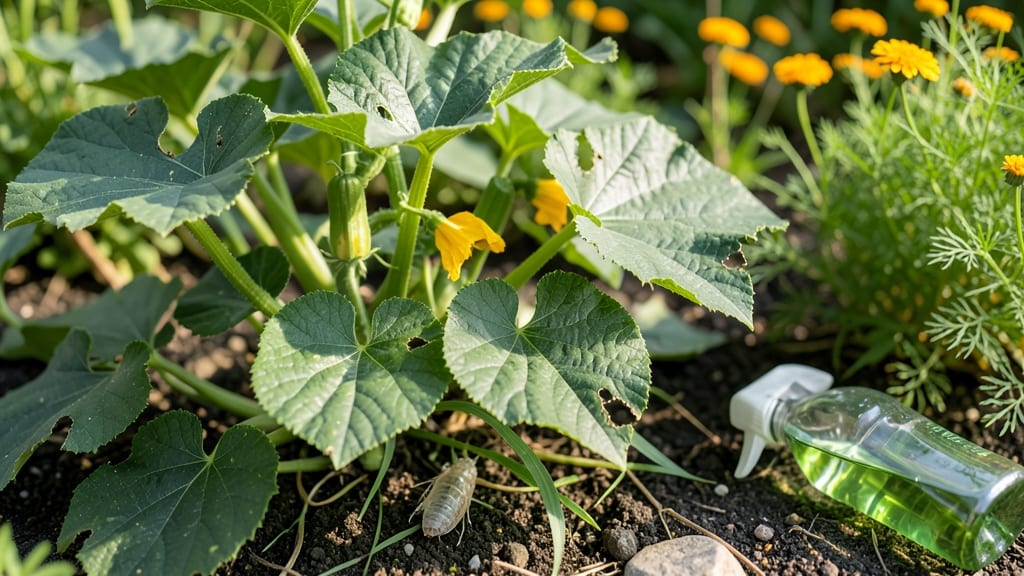
Your garden won’t be eaten by cicadas—they target tree sap and roots instead of vegetables or flowers. While their nymphs can harm shallow-rooted plants during emergence, adult cicadas pose no direct threat to foliage or crops. The key is protecting young plants during brood cycles when nymphs are most active.
Cicadas spend most of their lives underground as nymphs, where they feed on tree roots and sap—not your garden vegetables. The real risk comes during brood emergence, when these nymphs surface and can disturb shallow-rooted plants like lettuce or strawberries. 🌱 Adult cicadas, however, are harmless to foliage and crops, focusing solely on tree xylem sap.
This means your tomato plants or herbs are completely safe from cicada feeding, though their emergence might temporarily stress young seedlings.
What’s interesting is how cicadas actually benefit some plants. Their feeding stimulates tree growth by creating entry points for nutrients, and their emergence aerates soil. The only plants needing protection are those with delicate root systems, like newly planted perennials or seedlings.
For most gardeners, cicadas are more of a nuisance to listen to than a threat to your harvest.
💡 In This Article
- Cicada Life Cycle and Plant Damage Risks
- Protecting Your Garden from Cicada Nymphs
Cicada life cycle and plant damage risks
Cicadas undergo a dramatic transformation that directly impacts your garden's safety. Their 13- or 17-year life cycle begins underground as nymphs, where they feed exclusively on tree roots and xylem sap through specialized mouthparts called stylets.
This root-feeding phase lasts for years, but the real garden interaction happens during emergence when nymphs climb above ground to molt into adults. During this 2-4 week emergence window, they create tunnels in the soil that can uproot shallow-rooted plants like lettuce or strawberries.
The damage mechanism is purely physical—not nutritional. Nymphs don't eat garden vegetables; instead, their soil disturbance during emergence can expose delicate roots to drying winds or compacted soil.
Adult cicadas, however, pose zero threat to foliage—their long proboscis pierces tree bark to extract sap, leaving garden plants completely untouched. 🌿 What's fascinating is how this process actually benefits some trees: the sap extraction stimulates growth by creating nutrient pathways, while their emergence aerates compacted soil.
Timing is everything when it comes to risk assessment. Brood emergence typically occurs in late spring to early summer, with specific broods emerging in different regions every few years.
For example, Brood X (which emerges every 17 years) creates massive concentrations that can temporarily stress lawns, but their impact on vegetable gardens is minimal unless you're growing shallow-rooted crops. The key vulnerability window is the first 7-10 days of emergence when nymphs are most active in soil disturbance.
Plant types vary dramatically in their susceptibility. Ornamental trees like oaks and maples are actually cicada magnets—their deep roots provide perfect feeding grounds. Meanwhile, vegetables with taproots (carrots, beets) or fibrous roots (onions) generally survive unharmed.
The real at-risk plants are those with shallow root systems under 6 inches deep, like lettuce, spinach, or newly transplanted seedlings. Even then, the damage is usually temporary and limited to localized soil disruption.
What most gardeners don't realize is how cicadas actually improve soil structure long-term. Their emergence creates natural aeration channels that reduce soil compaction—a benefit that outweighs any temporary disturbance.
The only plants requiring active protection are those with delicate root systems during the emergence window, when nymphs are most active in soil tunneling. For all other plants, cicadas are essentially harmless visitors that may even enhance your garden's ecosystem.