
Planting
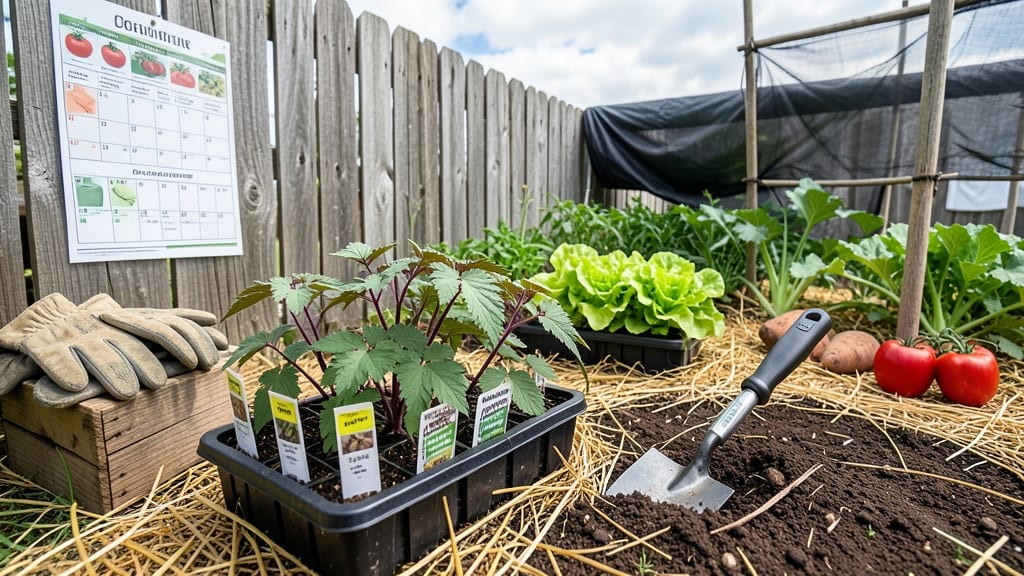
Planting a vegetable garden in Oklahoma at the right time means the difference between a lush harvest and a wasted season—and with USDA zones 6 through 8, timing can vary by weeks.
Oklahoma’s unpredictable weather can make or break your vegetable garden—plant too early and risk frost damage, too late and miss peak harvests. Timing is everything, but with Oklahoma’s diverse USDA zones (6a, 6b, 7a, 7b, 8a), knowing exactly when to plant is the secret to a bountiful harvest.
Cool-season crops like lettuce and peas thrive when soil temperatures hover around 40°F, while warm-season favorites such as tomatoes and squash need 60°F+ to germinate. Missing these windows means slower growth or stunted yields.
In this guide, I’ll break down the perfect planting windows for your zone, share tips for adjusting to Oklahoma’s microclimates, and highlight the top five vegetables that grow best here—so you can start planting with confidence.
Oklahoma planting deadlines by USDA Zone: exact dates for cool and warm-season crops
Oklahoma spans USDA zones 6-8, meaning your last frost dates can vary by 2-3 weeks between northern and southern regions. In Zone 6a/6b, gardeners face earlier spring frosts (March 15-April 1), while Zone 8a often sees frost-free springs by March 1.
Understanding these microclimate differences ensures your cool-season crops like lettuce thrive while warm-season crops like tomatoes establish roots before summer heat arrives.
For cool-season vegetables (spinach, kale, peas), aim to plant 4-6 weeks before your last frost date.
In Zone 6a, this means mid-March for early varieties, while Zone 8a gardeners can start as early as late February. Warm-season crops (tomatoes, peppers, squash) need soil temperatures above 60°F—typically mid-April to early May in northern Oklahoma and late March in the south.
Pay close attention to soil temperature, not just air temperature. Use a soil thermometer to confirm warm-season crops like tomatoes and peppers can be planted when soil reaches 60°F.
In Zone 6a, this often means waiting until mid-May, while Zone 8a gardeners may plant by early April. Direct sowing too early leads to poor germination or stunted growth.
For successive planting, use the 14-day rule: After your first planting of lettuce or radishes, sow new seeds every 2 weeks until 6 weeks before your first frost.
This ensures a continuous harvest and prevents bolting (premature flowering) in heat-sensitive greens. Okra and sweet potatoes, two Oklahoma favorites, should be planted after all danger of frost—typically late April to May—since they won’t tolerate cold.
Extend your growing season with row covers or cold frames to plant cool-season crops like spinach or broccoli as late as
How to adjust planting times for Oklahoma’s microclimates and unpredictable weather
Oklahoma’s microclimates and sudden temperature swings can turn a great planting plan into a gamble. Whether you’re in northern USDA Zone 6b or southern Zone 8a, adjusting your schedule with season-extending tools is key.
I’ve learned the hard way—skipping a row cover in April can mean lost tomato seedlings when an unexpected frost hits.
Don’t let late frosts or scorching summer heat ruin your harvest. The solution? A mix of heat-tolerant varieties, protective cold frames, and a flexible planting timeline.
For example, in Zone 7a, I plant peppers under cloches in early March, then harden them off before the last frost—usually around April 15.
⚠️ Warning: Oklahoma’s Frost Risk Doesn’t Follow the Calendar
Last frost dates vary by 1-2 weeks across Oklahoma. Use Oklahoma State University’s frost maps (not generic USDA averages) and monitor local weather alerts. In Zone 6b, a late frost can hit as late as May 10, while Zone 8a may see no frost until February 15. High-stakes crops like cucumbers and squash need soil temps above 60°F—wait for mid-April in most areas.
For cool-season crops like lettuce and spinach, I start seeds indoors 6-8 weeks before the last frost. In Zone 7b, that means February 15 for early varieties.
Use grow lights if natural light is limited, and transplant seedlings when they’re 3-4 inches tall to avoid shock. Succession planting every 2 weeks ensures a steady harvest—critical for leafy greens that bolt in heat.
When summer arrives, heat-loving crops like okra and sweet potatoes thrive, but tomatoes and peppers may need shade cloth if temps exceed 90°F. I’ve had blossom drop in July heat—a problem solved by mulching heavily and watering deeply at soil level.
For high-risk crops, I use a risk-assessment checklist:
- ✅ Soil temp ≥60°F for warm-season crops
- ✅ Frost-free window ≥60 days for peppers
- ✅ Shade cloth ready for heatwaves
- ✅ Backup planting date 2 weeks later
Don’t overlook microclimates—your south-facing slope may warm up 2 weeks earlier than the low-lying area. Test soil temps with a thermometer (aim for 65°F for cucumbers) and adjust planting dates accordingly.
In Zone 6a, I plant green beans in late April on sunny slopes but wait until May 10 in shaded spots.
With these strategies, you’ll beat Oklahoma’s weather instead of letting it dictate your harvest. Start with small test plots, keep a gardening journal, and adjust next year based on what worked. Your future tomatoes will thank you! 🌱