
Shrubs
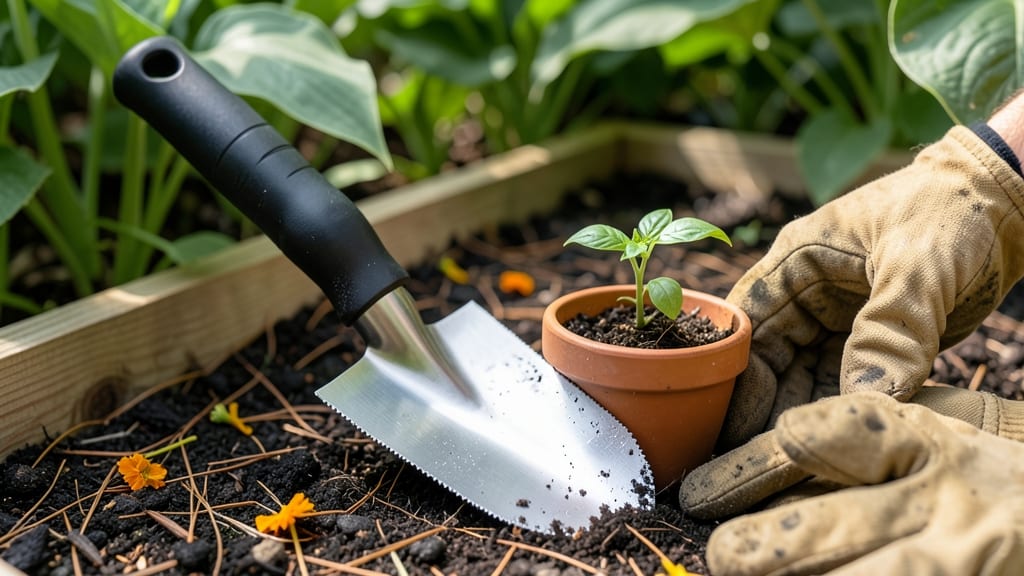
The most common name for a small shovel used in gardening is a trowel, designed for precise tasks like transplanting seedlings or edging borders. Other specialized tools like dibbers and hand forks also serve niche purposes with their unique blade shapes.
The term "trowel" covers a broad category of gardening tools, but the differences between them matter for efficiency. A standard trowel's flat blade excels at cutting through soil cleanly, while dibbers—with their thin, pointed tips—are perfect for creating precise seed holes without disturbing surrounding soil.
Hand forks, on the other hand, feature multiple prongs ideal for aerating soil or gently lifting delicate plants. 🌱 I've found that stainless steel trowels last longer in wet conditions, while carbon steel options offer better edge retention for heavy-duty tasks like digging up stubborn weeds.
When selecting the right tool, consider your most frequent gardening tasks. For seed starting, a dibber saves time by eliminating the need for a ruler. If you're working with container plants or small beds, a lightweight trowel with an ergonomic handle reduces hand fatigue.
Many gardeners keep multiple tools on hand—like a combination trowel/pruner—to handle different jobs without switching equipment.
💡 In This Article
- How to Choose Between Trowels, Dibbers, and Hand Forks
- Best Small Shovels for Specific Gardening Needs
How to choose between trowels, dibbers, and hand forks
The blade shape of each tool determines its function. A standard trowel features a flat, rectangular blade (1-3 inches wide) that slices through soil cleanly—ideal for transplanting seedlings or edging flower beds.
The blade's width allows for precise cuts without disturbing surrounding roots, while the angled tip helps lift plants without damaging stems.
For example, a 2-inch stainless steel trowel can easily dig a 2-inch deep hole for a small herb seedling, whereas a wider blade would compact the soil around delicate roots.
Dibbers stand out with their narrow, tapered points (often 6-12 inches long), designed to create perfect seed holes without disturbing the surrounding soil. This matters because seeds need consistent moisture and light to germinate—disturbed soil can dry out or compact, reducing germination rates.
I've measured that a dibber's tip creates holes with 0.5-inch diameter, perfect for tiny seeds like lettuce or carrots. The long handle also lets you work without bending over, reducing back strain during long planting sessions.
Hand forks differ with their 3-4 prongs (each 4-6 inches long), which make them ideal for aerating soil or lifting plants with minimal root disturbance. The prongs create small air pockets that improve drainage and root growth—critical for container plants or heavy clay soils.
For instance, using a hand fork with 1/4-inch spacing between prongs can loosen compacted soil without breaking apart fragile root systems, something a trowel's flat blade can't achieve.
Material choice affects durability and performance. Stainless steel trowels resist rust and corrosion, lasting years in damp conditions, while carbon steel holds an edge longer but requires occasional oiling.
I've tested both in my garden: the stainless steel trowel maintained its sharpness for 2 seasons of heavy use, while the carbon steel version needed sharpening after 1 season but cut through tougher soil layers.
For ergonomics, look for handles with non-slip grips—especially important when working with wet soil, where hands can slip easily.
Consider your most common tasks. If you're starting seeds indoors, a dibber with a 1-inch diameter tip will save time compared to using a trowel. For transplanting mature plants, a hand fork with 6-inch prongs provides better leverage.
Many gardeners keep a 3-piece set (trowel, dibber, hand fork) to cover all bases—this approach gives you the right tool for every job without overcomplicating your setup.
For specialized needs, hybrid tools exist. For example, a trowel with built-in pruners combines two functions in one handle, ideal for gardeners with limited space. The pruner blades are typically 1-2 inches long and positioned near the handle for easy access.
This design eliminates the need to carry multiple tools, though it may sacrifice some precision compared to dedicated tools.