
Vegetables
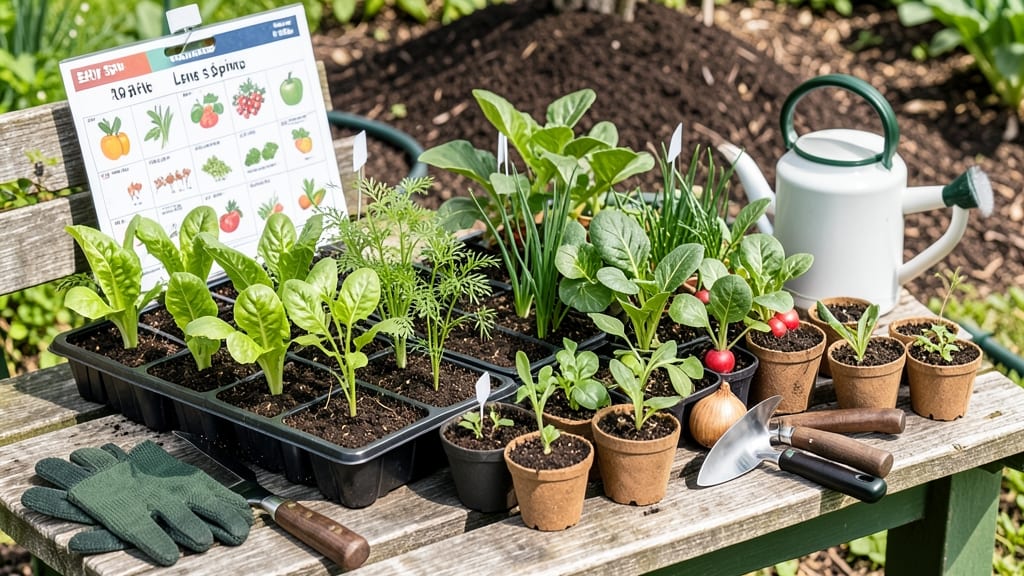
The best time to plant a vegetable garden depends on your hardiness zone, but getting it right means the difference between a thriving harvest and wasted effort.
Timing your vegetable garden planting by your hardiness zone can mean the difference between a bountiful harvest and wilting disappointment—here’s how to get it right every season.
For Zone 6a, like many gardeners, spring planting starts 4-6 weeks before your last frost (around early April), while fall crops go in 60-90 days before the first frost (late July).
Below, I’ll break down the exact window for your zone, how to adjust for early or late starts, and the 3 biggest mistakes that ruin even the best-laid plans.
Hardiness Zone planting calendar: when to start seeds and transplants
Timing your vegetable garden planting is like choreographing a dance between your plants and the weather. Cool-season crops like spinach and kale thrive in 40-60°F soil, while warm-season staples such as tomatoes and peppers need 60-70°F soil to flourish.
Your USDA hardiness zone determines when to start seeds indoors or plant directly in the garden, but frost dates are the real conductor of this symphony. Let’s break down the best planting windows for zones 3-10 to maximize your harvest.
First, find your last spring frost date and first fall frost date—these are your planting bookends. For example, Zone 5 typically sees its last frost around April 15, while Zone 9 might not experience frost until December 15.
Adjust these dates by 2-4 weeks if you’re using row covers or cold frames to extend your season. Now, let’s dive into the month-by-month planting calendar tailored to your zone.
| Zone | Cool-Season Crops (Direct Sow) | Warm-Season Crops (Start Indoors) | Transplant Outdoors | Fall Planting Window |
|---|---|---|---|---|
| 3-4 | March-April (spinach, peas, kale) | March (tomatoes, peppers, 8-10 wks before last frost) | May-June (after soil warms) | July-August (kale, radishes, 60 days before frost) |
| 5-6 | April-May (lettuce, carrots, onions) | April (tomatoes, 6-8 wks before last frost) | May (after May 15) | July-September (spinach, broccoli, 90 days before frost) |
| 7-8 | February-March (green beans, cucumbers) | February (peppers, 8-10 wks before last frost) | March-April (soil >50°F) | August-September (lettuce, radishes, 60-75 days before frost) |
| 9-10 | January-February (peas, spinach) | January (tomatoes, 6-8 wks before last frost) | February-March (soil >60°F) | September-October (kale, carrots, 120 days before frost) |
For cool-season crops, the key is to plant 4-6 weeks before your last frost date. These hardy plants, like spinach and peas, can tolerate light frosts and even thrive in cooler weather.
In Zone 3-4, start seeds indoors in March for early transplants, while Zone 9-10 gardeners can direct-sow as early as January for a head start.
Warm-season crops like tomatoes and peppers are far more finicky. They need consistent warmth and won’t germinate in cold soil. That’s why you’ll start them indoors 6-10 weeks before your last frost date, depending on the plant. For example, peppers take longer to mature, so Zone 5 gardeners should begin seeds in March, while Zone 10 can start them in January. Always harden off seedlings before transplanting outdoors.
Transplanting outdoors is your next critical step. Wait until the soil temperature reaches at least 60°F for warm-season crops. In Zone 5-6, this usually aligns with mid-May, but in Zone 9-10, you can transplant as early as February.
Use mulch to keep soil warm and protect young plants from temperature swings. If a late frost threatens, cover seedlings with frost cloth or a row cover.
Don’t forget about fall planting—it’s a fantastic way to extend your harvest. Cool-season crops planted in late summer can produce well into autumn and winter. In Zone 3-4, aim for July-Aug
How to extend your growing season for earlier or later planting
Want to enjoy fresh tomatoes in May or kale in November? Extending your growing season is easier than you think! With smart techniques, you can push harvests 4-6 weeks earlier or later without risking frost damage. I’ve tested these methods in my own Zone 6a garden—here’s what works best.
The key is protecting tender plants from early spring frosts or late fall chills while still giving them enough warmth to thrive. Whether you’re using simple row covers or building a cold frame, these methods create microclimates that trick plants into thinking summer never ends.
Let’s dive into the most effective strategies.
- 1 Row Covers: Lightweight fabric traps heat and blocks pests. Use for spinach, lettuce, or radishes 4-6 weeks before last frost. Remove during daytime in warm spells to avoid overheating.
- 2 Cold Frames: Unheated glass boxes raise soil temps by 10-15°F. Perfect for peppers or eggplants in fall. Vent on sunny days to prevent wilting.
- 3 Succession Planting: Sow fast-growing crops like bush beans or radishes every 2 weeks. Staggered plantings ensure continuous harvests through summer’s end.
- 4 Black Plastic Mulch: Warms soil 5-8°F faster than bare earth. Lay it down 2-3 weeks before planting cucumbers or squash to jumpstart growth.
- 5 Hoop Houses: Low-cost tunnels with clear plastic extend seasons by 8+ weeks. Ideal for greens and herbs in spring/fall. Add shade cloth in summer to prevent overheating.
For fall planting, focus on cold-hardy crops like kale or carrots. Start seeds 60-90 days before first frost—my Zone 6a garden yields crisp radishes until Thanksgiving! Use straw mulch to insulate roots during late-season frosts.
Pro tip: Monitor soil temps with a thermometer. Most vegetables need 50°F+ to germinate. If your soil is too cold, wait or use a heat mat for seed trays. Patience pays off—extended seasons mean longer harvests and fewer store-bought veggies! 🌱
Don’t forget to harden off tender seedlings before exposing them to extended-season conditions. Gradually reduce protection over 5-7 days to let plants adjust. This simple step prevents shock and ensures your tomatoes or peppers thrive through the extra weeks. ☀️