
Tools
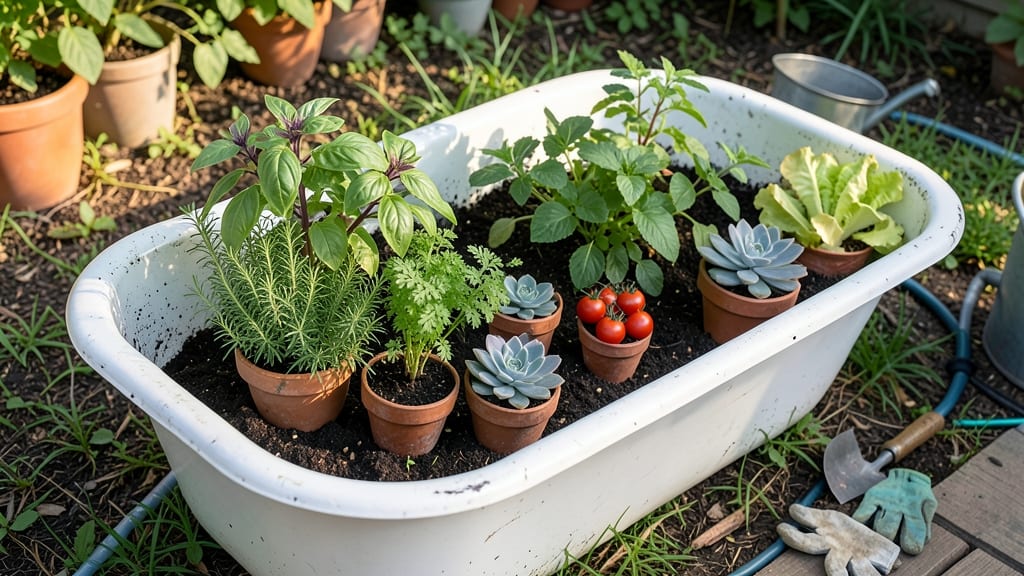
A garden bathtub is what you get when you combine a compact outdoor soaking tub with natural materials like wood, stone, or recycled plastic, designed specifically for small yards or urban gardens where space is limited.
A garden bathtub transforms outdoor relaxation into a functional, stylish addition to your yard. 🌿 Unlike traditional bathtubs, these space-saving designs often double as planters or seating areas, making them perfect for urban gardens or tiny backyards.
The key is choosing materials that resist weather while blending with your landscape—cedar resists rot, slate stays cool, and upcycled containers add rustic charm. I’ve seen them used as everything from herbal soaking spots to self-watering planters, proving their versatility.
What makes them especially practical is their adaptability to DIY projects. Many gardeners repurpose half-barrels, pallets, or even old whiskey casks into tubs with simple waterproofing techniques. The drainage solutions—like gravel bases or built-in spouts—keep maintenance minimal while ensuring longevity.
For those with limited space, these tubs can even be built into raised garden beds or tucked into corners, maximizing every inch of your outdoor area.
💡 In This Article
- Natural Materials and Eco-Friendly Garden Bathtub Options
- DIY Garden Bathtub Designs for Small Spaces
Natural materials and eco-friendly garden bathtub options
Cedar wood remains the gold standard for garden bathtubs because its natural oils create a built-in moisture barrier that resists rot and warping over time.
Unlike pressure-treated lumber (which can leach chemicals into water), untreated cedar stays safe for soaking while developing a silvery patina that blends beautifully with outdoor aesthetics. The grain also provides a textured surface that feels luxurious against skin, while its natural aroma adds a spa-like quality to your garden retreat.
Slate and other natural stone options bring durability and a modern, minimalist look to outdoor tubs. Slate’s dense composition prevents water absorption, making it ideal for areas with heavy rainfall or freezing temperatures. A 1-inch-thick slate slab can last decades with minimal maintenance beyond occasional sealing every 2-3 years.
For those prioritizing sustainability, reclaimed stone from demolition projects offers the same benefits without the environmental footprint of quarrying new materials.
Upcycled materials like whiskey barrels or wooden pallets transform discarded items into functional art. A standard 55-gallon barrel (commonly used for wine or whiskey) can be cut in half and lined with food-grade plastic to create a 24-inch-deep soaking tub.
The curved wood adds organic charm while requiring only basic sanding and sealing. Pallet wood offers a more rustic aesthetic but needs extra waterproofing—applying two coats of marine-grade varnish extends its lifespan to 5-7 years in outdoor conditions.
Recycled plastic tubs designed specifically for garden use have gained popularity for their lightweight yet sturdy construction. These often come with integrated drainage systems and UV-resistant coatings that prevent fading. The best options use HDPE (high-density polyethylene), which resists cracking in temperatures ranging from -40°F to 180°F.
While they lack the natural beauty of wood or stone, they’re perfect for renters or those wanting a low-maintenance solution that can be easily moved or stored.
Consider your climate when choosing materials—cedar performs best in dry climates, while slate handles moisture better in humid regions. For tropical areas, teak offers superior resistance to fungal growth, though it requires more frequent oiling.
The key is balancing durability with your aesthetic preferences and maintenance tolerance, as even the most beautiful material will lose its appeal if it requires constant upkeep.
What most people overlook is how material choice affects water temperature retention. Stone and metal tubs (like copper) heat up quickly in sunlight, creating a naturally warm soaking experience, while wood stays cooler and more comfortable in hot weather.
This thermal property alone can influence your material decision based on seasonal use patterns.