
Tools
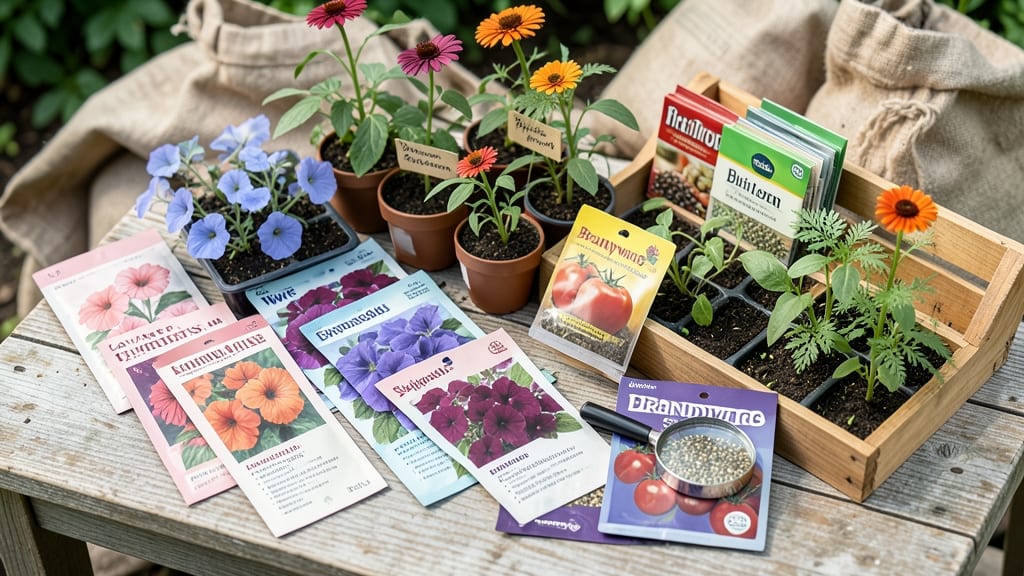
To request a garden catalog, reach out to seed companies or nurseries through their websites, phone lines, or printed mail-in forms, timing your order to align with seasonal releases for the freshest plant varieties and exclusive deals. Most reputable suppliers provide complimentary catalogs packed with selection tools and gardening resources.
Many gardeners overlook how strategic timing can transform their catalog experience. 🌱 Seasonal releases often feature limited-edition plants and special pricing that disappear after the initial mailing, so planning your request 4-6 weeks before the growing season kicks off gives you the best selection.
I always check multiple suppliers—some specialize in heirloom varieties while others focus on disease-resistant strains, so diversifying your sources ensures you find exactly what your garden needs.
What's particularly useful about today's digital catalogs is their interactive features. Beyond static images, many now include plant compatibility tools that suggest companion plants for your zone, helping you visualize layouts before making purchases. This tech-savvy approach saves both time and money by reducing trial-and-error planting.
💡 In This Article
- Best Ways to Order Free Garden Seed Catalogs Online
- Top Garden Catalog Companies for Seed Variety and Quality
Best ways to order free garden seed catalogs online
Most seed companies now offer digital catalogs that eliminate waiting for mail delivery.
The process typically starts by visiting a supplier's website and locating their "Catalogs" or "Resources" section—Burpee, for example, has a dedicated "Digital Catalog" tab where you can browse their entire selection in high-resolution images with detailed plant descriptions.
These online versions often include interactive features like search filters for your hardiness zone, sunlight requirements, and even bloom time, which helps narrow down choices to plants that will thrive in your specific climate.
Timing your digital request matters just as much as physical catalogs. Companies like Park Seed release their spring catalogs in early January, while others wait until late February to unveil their summer varieties.
Some even offer "early bird" digital previews through email subscriptions—signing up for their newsletter often grants you first access to new releases and exclusive promotions.
The digital format also lets you save your favorite plants to a virtual wishlist, making it easier to compare options across multiple suppliers without printing anything.
For those who prefer physical copies, most companies still accept online orders through their websites. Simply fill out a short form with your mailing address and catalog preferences—some even let you specify whether you want vegetable, flower, or herb-focused catalogs.
Processing times vary, but standard shipping typically takes 7-10 business days, while expedited options cut that to 3-5 days for an extra fee. The physical catalogs often include seed-saving tips, planting calendars, and regional growing advice that digital versions might omit.
One clever strategy I've used is to cross-reference multiple suppliers' catalogs before ordering seeds. For instance, Seed Savers Exchange's digital catalog includes rare heirloom varieties that mainstream companies don't carry, while Burpee's digital tools let you calculate seed quantities based on your garden's square footage.
This hybrid approach ensures you get both specialty plants and practical planning resources in one place.
Don't overlook mobile apps either—companies like Bonnie Plants offer catalog browsing through dedicated apps that sync with your online account.
These apps often include augmented reality features where you can "place" plants in your garden layout using your phone's camera, giving you a real-time visualization of how different varieties will look together. 🌱 This tech-savvy approach transforms catalog shopping from a passive experience into an interactive garden planning session.
Security is another advantage of digital catalogs. Since they're password-protected or require account creation, you avoid the risk of lost or stolen physical copies.
Many companies also offer downloadable PDF versions that you can print at home, giving you control over how many copies you need and how you want to organize them—whether by plant type, color, or bloom season.