I remember the first time I planted a seed—it was a sunflower in a cracked clay pot on my grandmother’s windowsill. Watching it grow into something bright and tall made me realize how rewarding gardening could be. Now, I’m here to share the joy of cultivating your own little patch of green, whether you’re a seasoned green thumb or just starting out. My goal is to make gardening approachable, practical, and full of small victories that make the effort worth it.
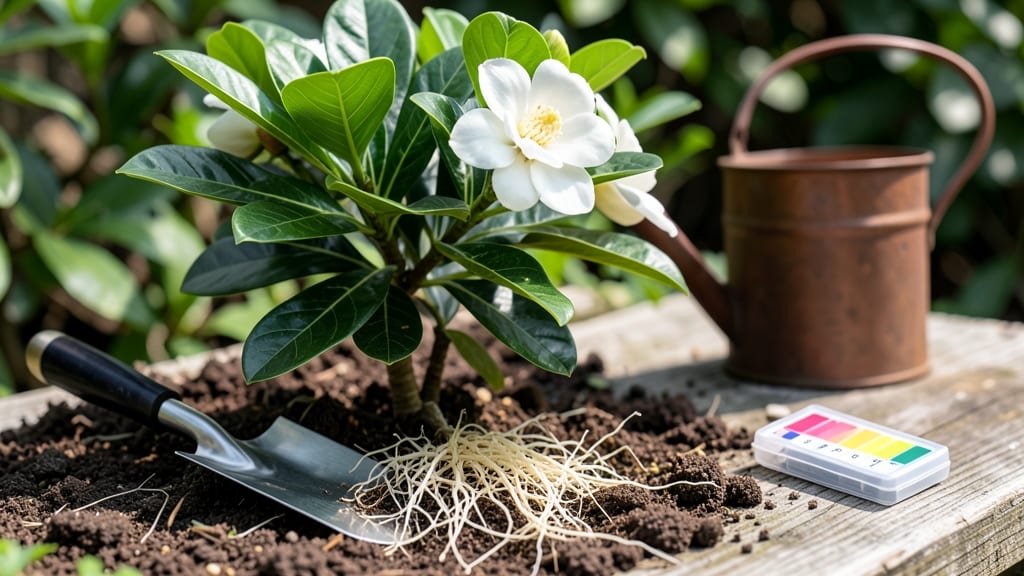
💥 Quick Answer Understanding a gardenia root system reveals its shallow yet expansive nature—roots typically grow just 6–12 inches deep but spread 2–3 feet outward for stability. Planting too deep suffocates them, while…
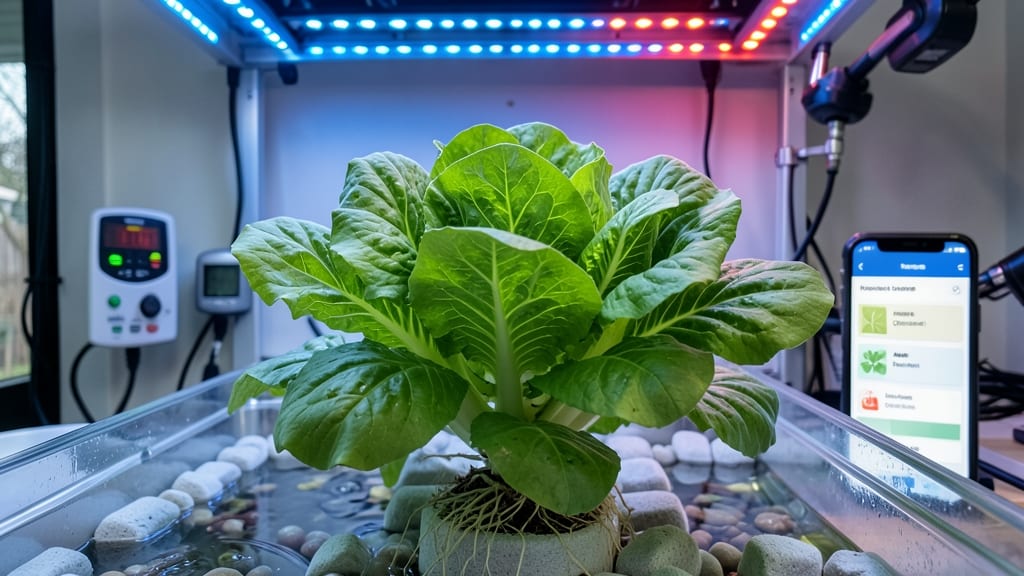
💥 Quick Answer AI for gardening transforms plant care by analyzing soil health, predicting pests, optimizing irrigation, and automating pruning—resulting in up to 30% higher yields while cutting waste through real-time…
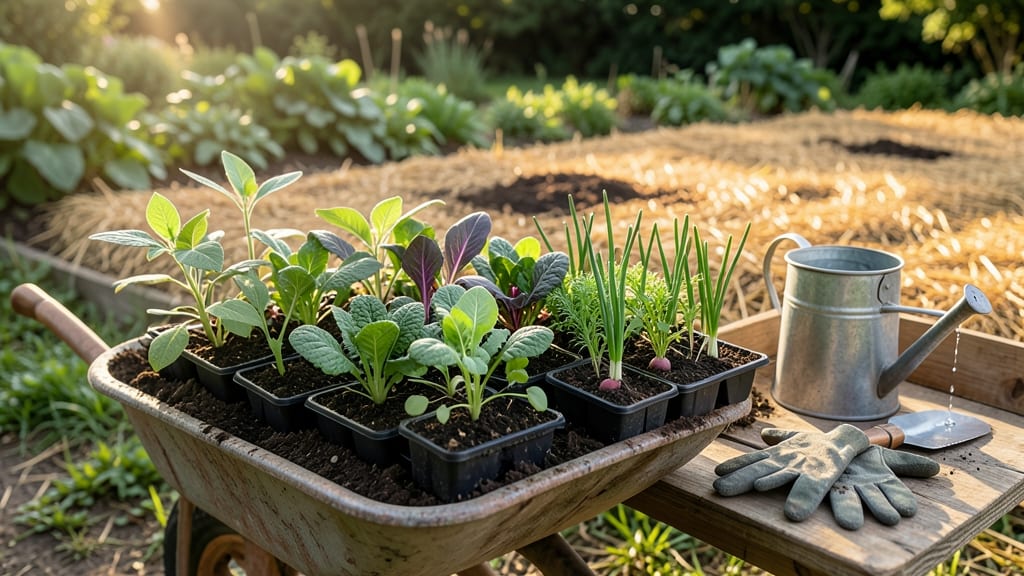
💥 Quick Answer June isn’t too late to plant a garden—fast-growing warm-season crops like beans, cucumbers, and zucchini still thrive with proper care, while heat-tolerant greens can succeed in cooler regions. Start with…
💥 Quick Answer Creating a Bell community garden involves securing suitable land, assembling a dedicated volunteer team, and establishing clear guidelines for planting, upkeep, and sharing the harvest among participants…
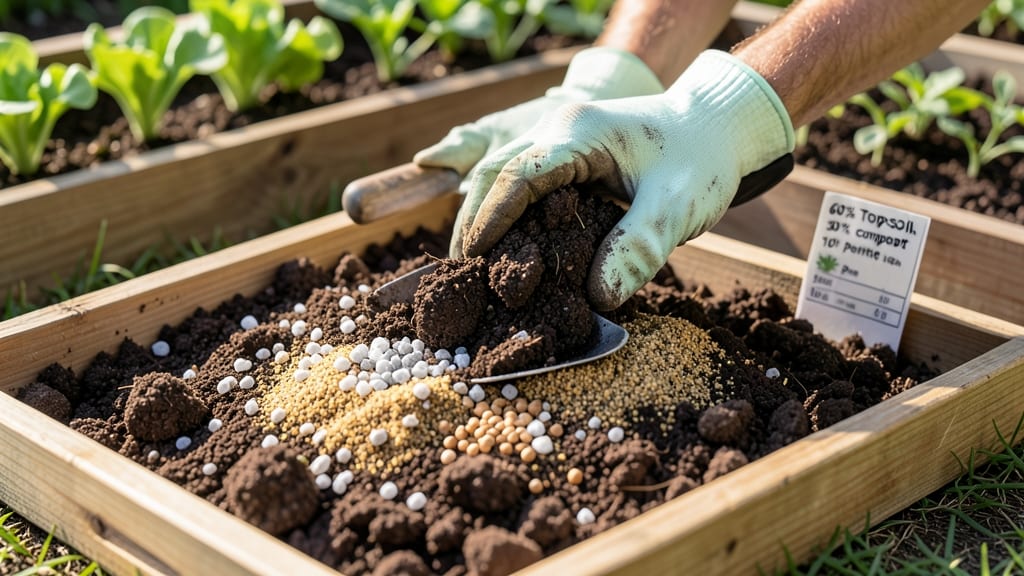
💥 Quick Answer A soil mixture for vegetable gardens should combine topsoil, compost, and coarse sand or perlite in a 60-30-10 ratio for optimal root growth, drainage, and nutrient retention. Adjust proportions based on…
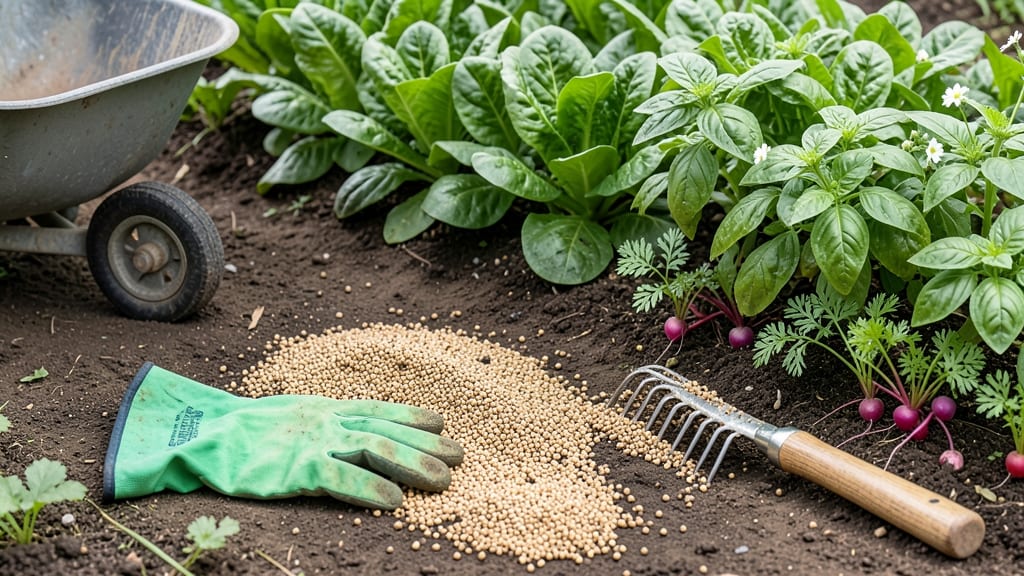
💥 Quick Answer To fertilize garden beds at the right time, focus on plant type and growth stage: apply organic fertilizer in early spring before planting, side-dress leafy greens mid-season, and feed flowering plants…
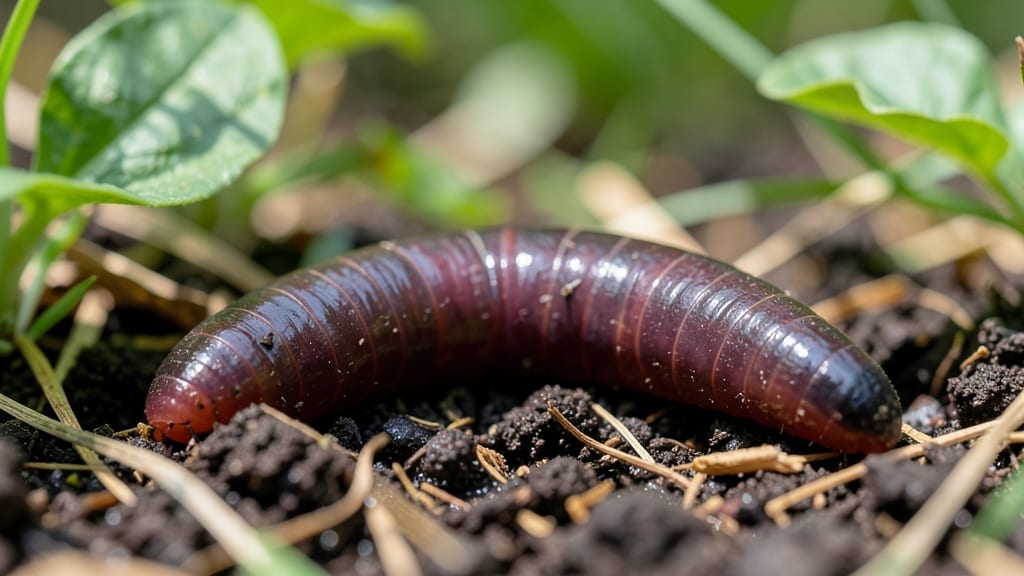
💥 Quick Answer Garden worms eat decaying plant matter like fallen leaves, grass clippings, and composted vegetable scraps, along with fruits, coffee grounds, and crushed eggshells. They avoid meat, dairy, and oily…
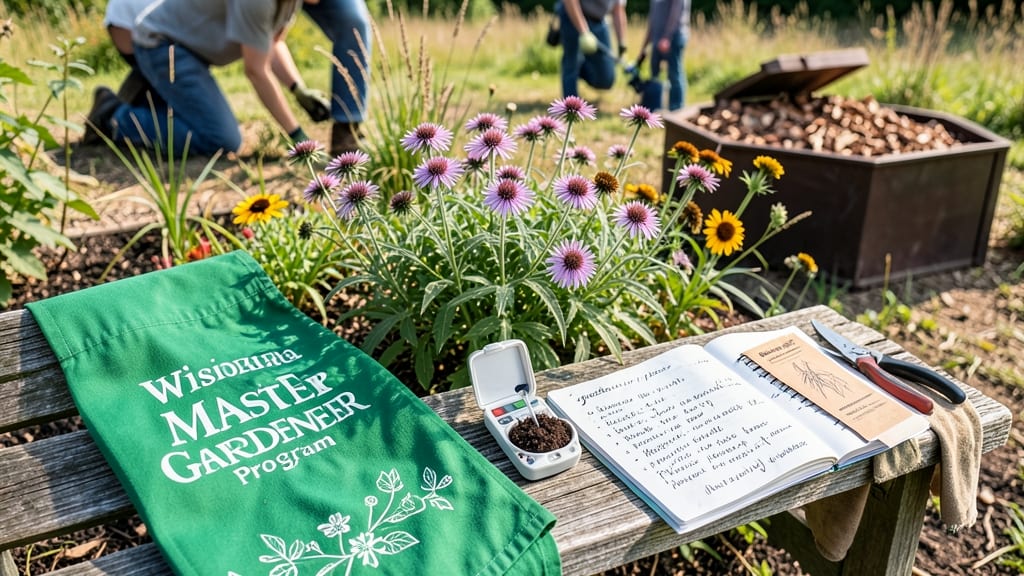
💥 Quick Answer The Wisconsin Master Gardener Program trains volunteers in sustainable gardening practices, plant science, and horticulture to support local communities through education and service, requiring 40 hours…
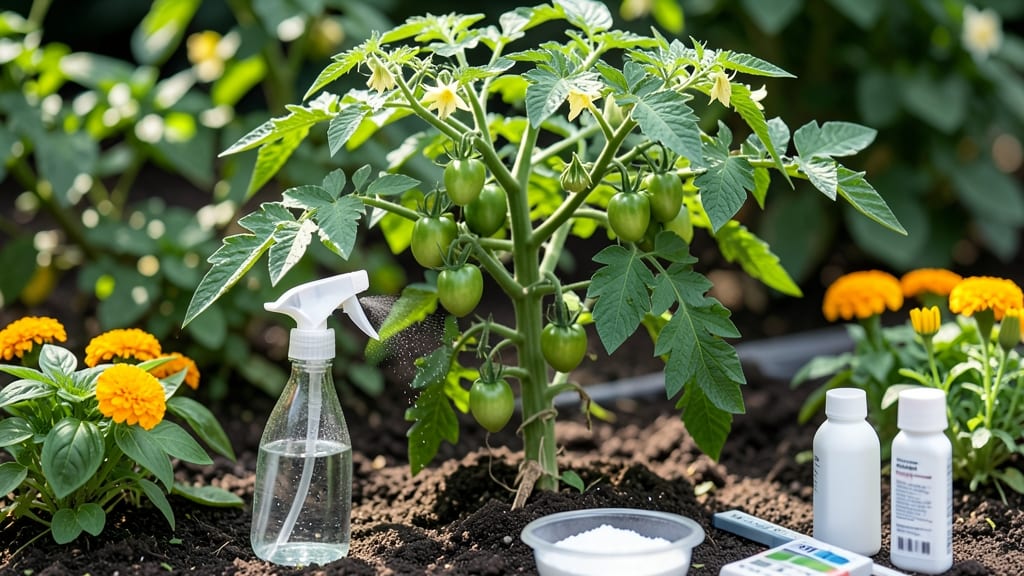
💥 Quick Answer Using baking soda in the garden creates a natural solution for controlling fungal diseases, repelling pests, and adjusting soil pH without harsh chemicals. Apply it as a foliar spray or soil amendment to…
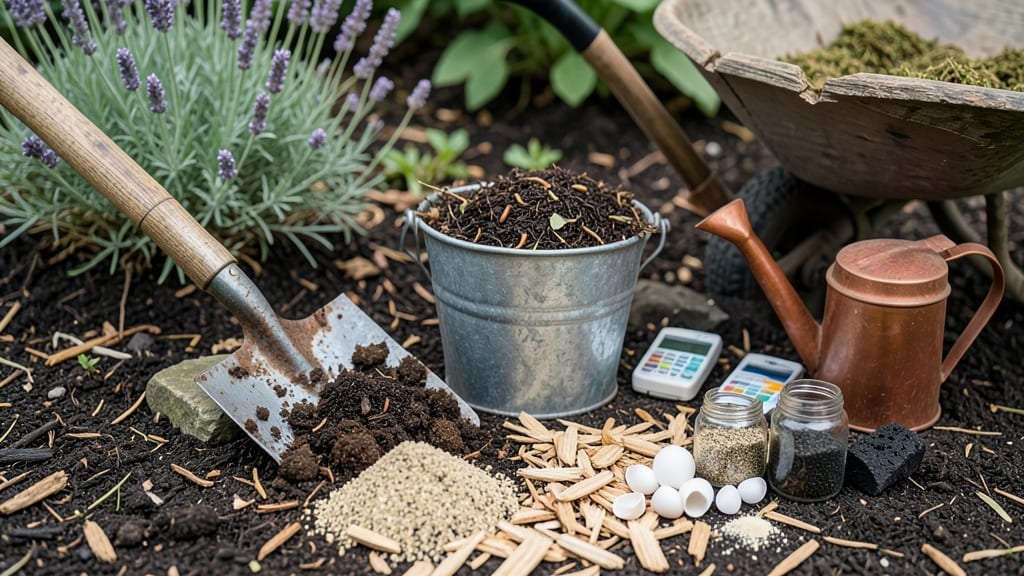
💥 Quick Answer To add to garden soil in spring, incorporate compost for organic matter, aged manure for nutrients, worm castings for microbial activity, and a balanced fertilizer like 10-10-10. Mix in coarse sand or…