
Vegetables
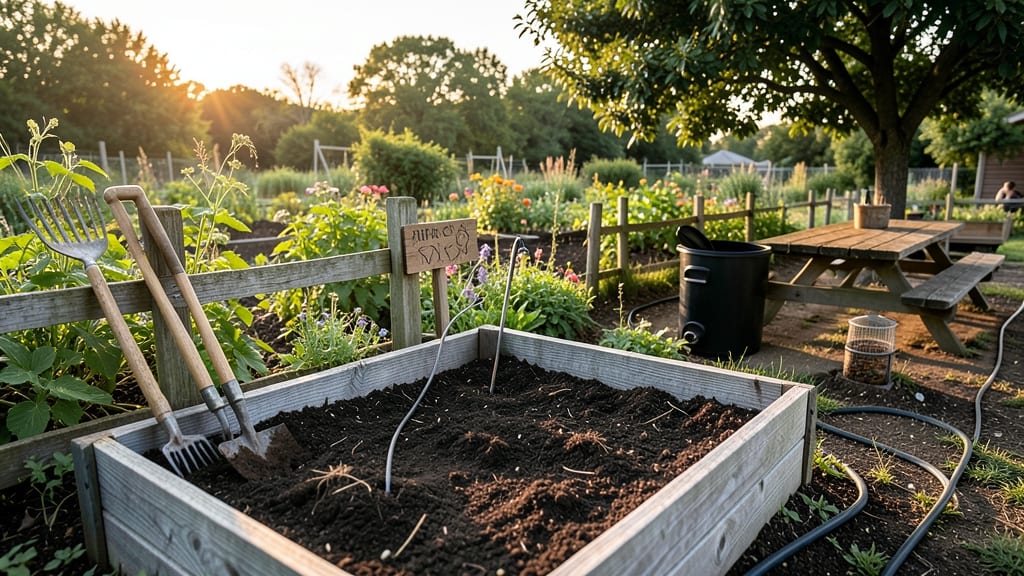
Creating a Bell community garden involves securing suitable land, assembling a dedicated volunteer team, and establishing clear guidelines for planting, upkeep, and sharing the harvest among participants. Collaborating with local organizations can streamline the process and provide essential resources.
A Bell community garden thrives on shared purpose and practical organization.
The first challenge is finding accessible land—whether in urban lots, schoolyards, or vacant properties—while checking local zoning laws to ensure compliance. 🌱 Once secured, the space should be designed with accessibility in mind, incorporating raised beds for easier planting and maintenance.
Clear communication about planting schedules and harvest sharing prevents conflicts and keeps everyone engaged.
Partnering with local schools, nonprofits, or businesses can provide funding for tools, seeds, and ongoing care. Many communities offer grants specifically for urban agriculture projects, while corporate sponsors might contribute in exchange for visibility.
Volunteers are the backbone of the garden, so creating structured roles—like lead planters, maintenance crews, or event organizers—helps distribute responsibilities evenly.
💡 In This Article
- Key Steps to Launch a Community Garden Project
- Funding and Partnering for a Successful Bell Community Garden
Key steps to launch a community garden project
Securing the right land is your first critical step, and the options vary dramatically by location. Urban gardens often use vacant lots, rooftops, or even repurposed parking strips, while suburban areas might leverage church properties or school grounds.
Zoning laws can make or break your project—some cities require permits for agricultural use, even for small plots. For example, in Portland, Oregon, community gardens need approval through the Bureau of Development Services, while rural areas might have fewer restrictions. Always check local regulations before committing to a space. 🌿
The soil preparation process transforms a raw plot into a productive garden. Start by testing the soil's pH and nutrient levels—most vegetables, including bell peppers, thrive in slightly acidic soil (pH 6.0-6.8).
Amend the soil with compost (aim for 2-3 inches mixed into the top 12 inches of soil) to improve drainage and fertility. Raised beds are ideal for urban spaces, as they prevent soil compaction from foot traffic and allow for better control over soil quality.
A well-prepared bed should have a 1:1 ratio of soil to compost for optimal growth conditions.
Designing the layout requires balancing practicality with community needs. Start by mapping sun exposure—most vegetables need 6-8 hours of sunlight daily, so place taller crops like tomatoes on the north side to avoid shading shorter plants.
Bell peppers, for instance, need full sun exposure and should be spaced 18-24 inches apart to allow airflow and prevent disease. Include pathways of 2-3 feet wide for accessibility, especially if the garden serves seniors or people with mobility challenges.
Labeling plants with stakes or signs helps everyone track what's growing where.
Establishing clear rules prevents common conflicts in shared gardens. Document guidelines for planting schedules, watering shifts, and harvest sharing—some gardens use a "first come, first served" system, while others rotate planting zones. For example, a weekly volunteer sign-up sheet ensures consistent maintenance without overburdening any single person.
Transparency about tools and resources (like shared shovels or compost bins) reduces disputes. Many successful gardens also include a harvest sharing agreement, where participants contribute labor and receive a portion of the produce, fostering a sense of ownership. 🌱
Inclusivity should be woven into every step. Consider accessibility features like ramps or benches, and ensure the garden is welcoming to all skill levels—provide beginner-friendly plants like lettuce alongside more advanced crops like bell peppers. Hosting a kickoff workshop on basic gardening techniques can build confidence among new volunteers.
For example, a 3-hour introductory session covering soil prep, seed starting, and pest control can demystify the process and encourage long-term participation. Partnering with local schools or senior centers often brings diverse perspectives and energy to the project.
Sustainability is the final piece of the puzzle. Implement water-saving techniques like drip irrigation or rain barrels to reduce costs and environmental impact. Composting on-site turns garden waste into valuable fertilizer, while mulching with straw or wood chips conserves moisture and suppresses weeds.
Many gardens also adopt "no-till" methods to preserve soil structure, which is especially important in urban areas where soil quality may be poor. By prioritizing these practices, your garden becomes a model of self-sufficiency and environmental stewardship. 💚