I remember the first time I planted a seed—it was a sunflower in a cracked clay pot on my grandmother’s windowsill. Watching it grow into something bright and tall made me realize how rewarding gardening could be. Now, I’m here to share the joy of cultivating your own little patch of green, whether you’re a seasoned green thumb or just starting out. My goal is to make gardening approachable, practical, and full of small victories that make the effort worth it.
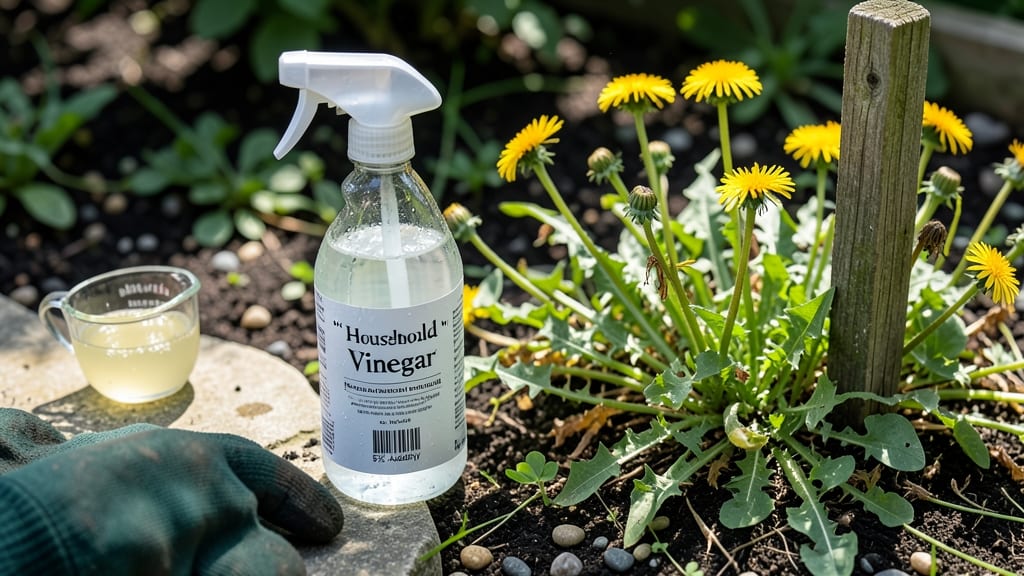
💥 Quick Answer Using vinegar in the garden effectively kills weeds by disrupting cellular functions, treats fungal infections through its acetic acid properties, and lowers soil pH to create acidic conditions for…
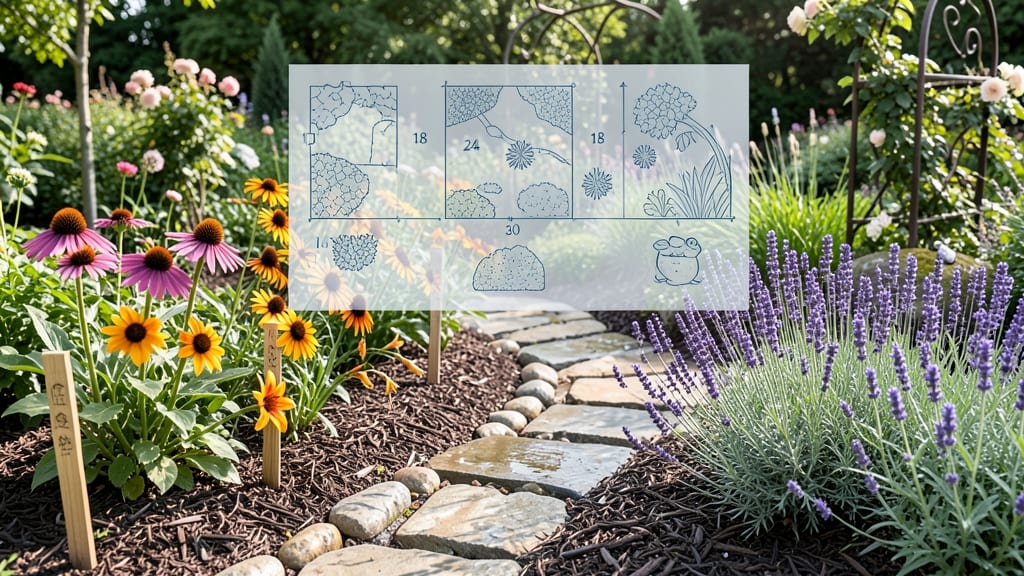
💥 Quick Answer Creating flower garden design plans for small spaces requires strategic layering of plants by height, seasonal color coordination, and vertical elements to make the most of limited square footage. Begin…
💥 Quick Answer The Naked Gardening Club is an online community where members share organic gardening techniques, plant care tips, and sustainable growing methods without relying on synthetic chemicals. Joining provides…
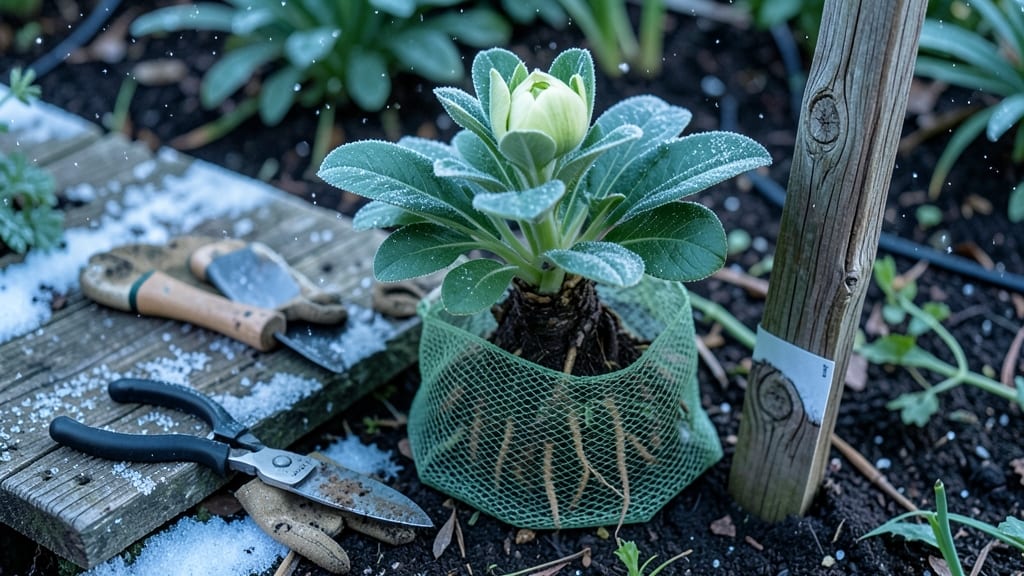
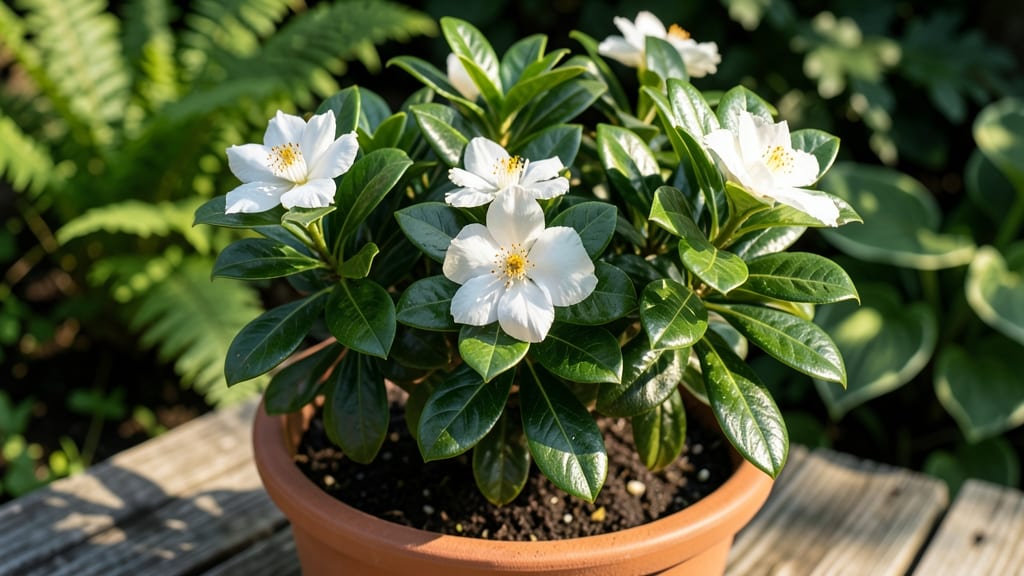
💥 Quick Answer Gardenias stay green all year in warm climates, but their leaves may yellow or drop during cold winters without proper protection. Consistent moisture, partial shade, and seasonal adjustments are key to…
💥 Quick Answer Botanical gardens reciprocity programs allow members to visit participating gardens nationwide for free or discounted entry by presenting their membership card, unlocking access to unique plant…
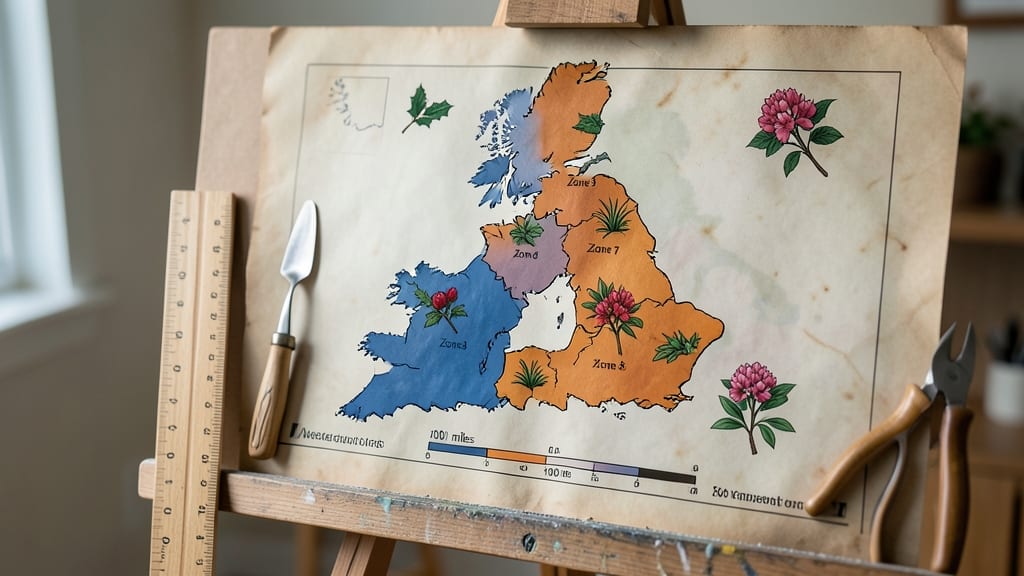
💥 Quick Answer UK garden zones classify planting areas by frost risk and climate, helping gardeners choose cold-hardy plants for their region. The UK uses a 1-10 scale (10 being mildest) to match plants to local winter…
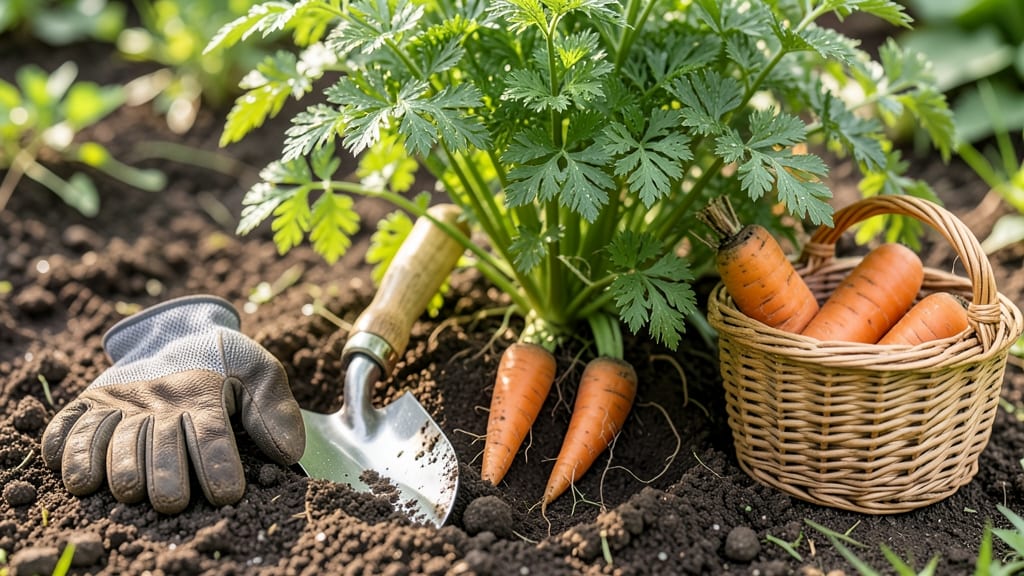
💥 Quick Answer To pull carrots from the garden, harvest when they reach 1-1.5 inches in diameter and soil is loose enough to extract roots cleanly, typically 60-80 days after planting, before bolting or hardening occurs…
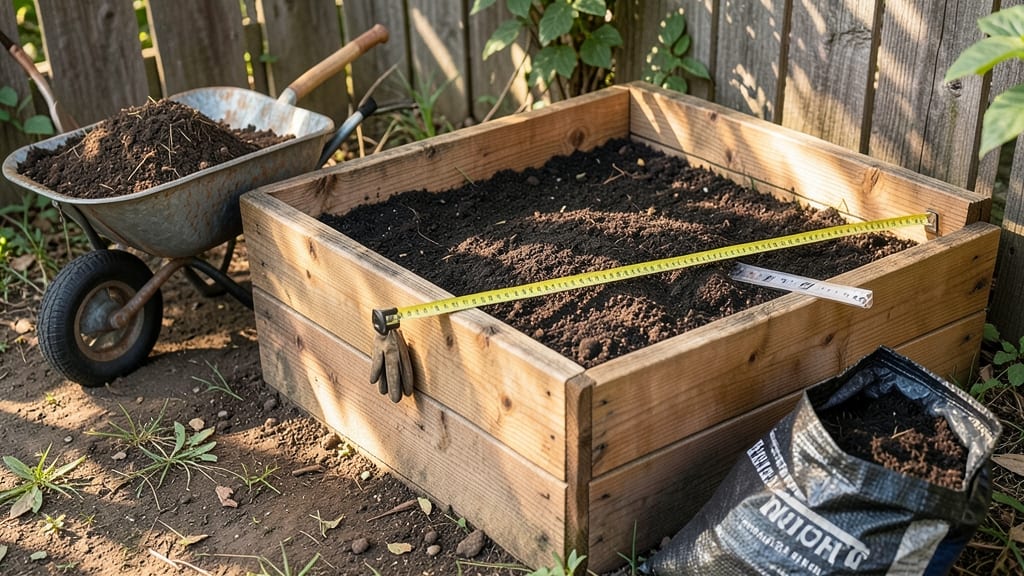
💥 Quick Answer To determine how much dirt you need for your raised garden, multiply its length by width by depth (in feet), then add 10% extra for settling. For example, a 4x8x1-foot bed requires 32 cubic feet plus 3.2…
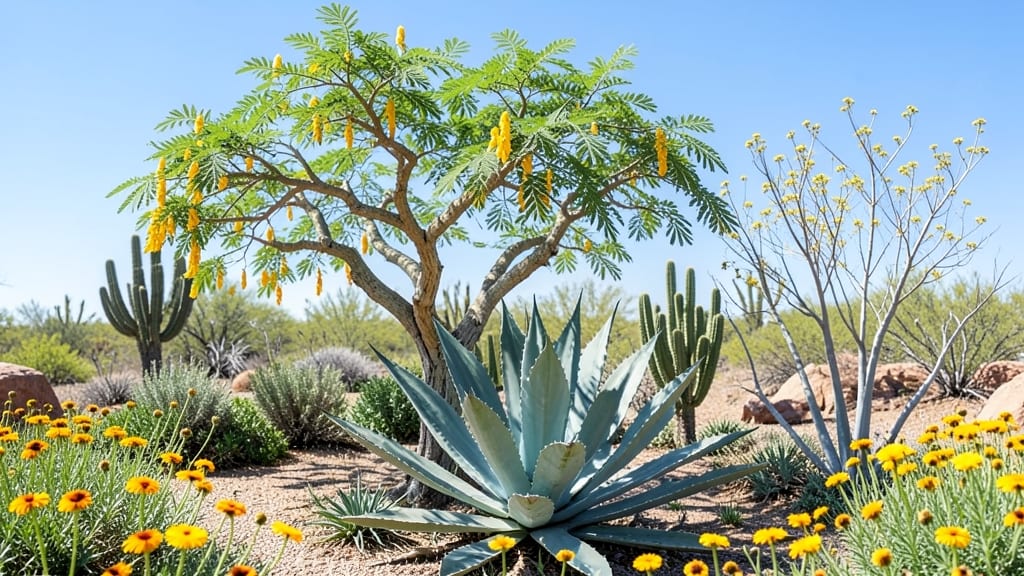
💥 Quick Answer Understanding Arizona gardening zones is essential because the state spans USDA Hardiness Zones 4 through 11, with dramatic shifts between desert lowlands and mountain elevations. Most desert areas thrive…
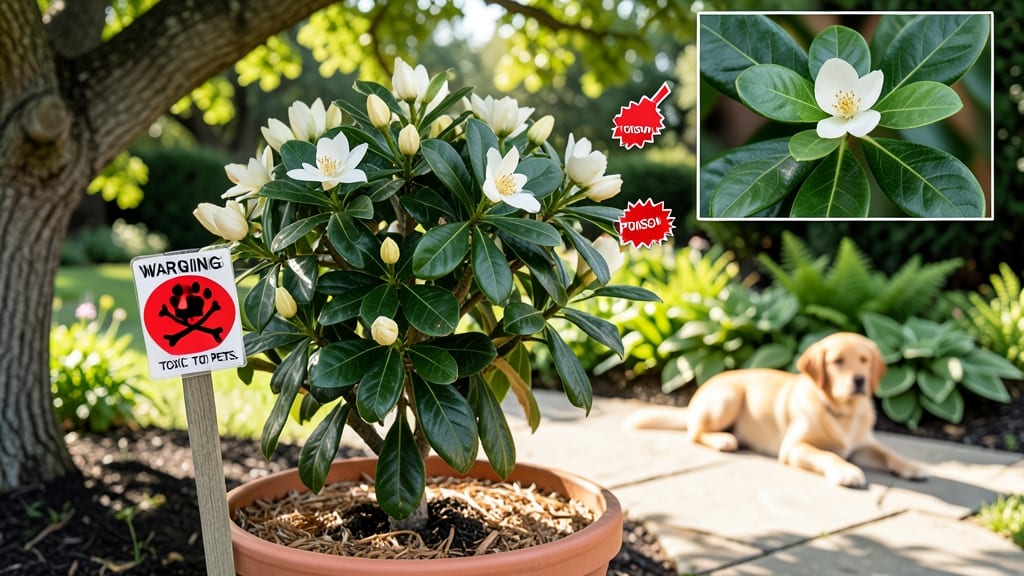
💥 Quick Answer Gardenias are poisonous to dogs and cats, containing toxic compounds like saponins and essential oils that can cause vomiting, diarrhea, and drooling. Ingesting leaves or flowers may lead to more severe…