
Pests
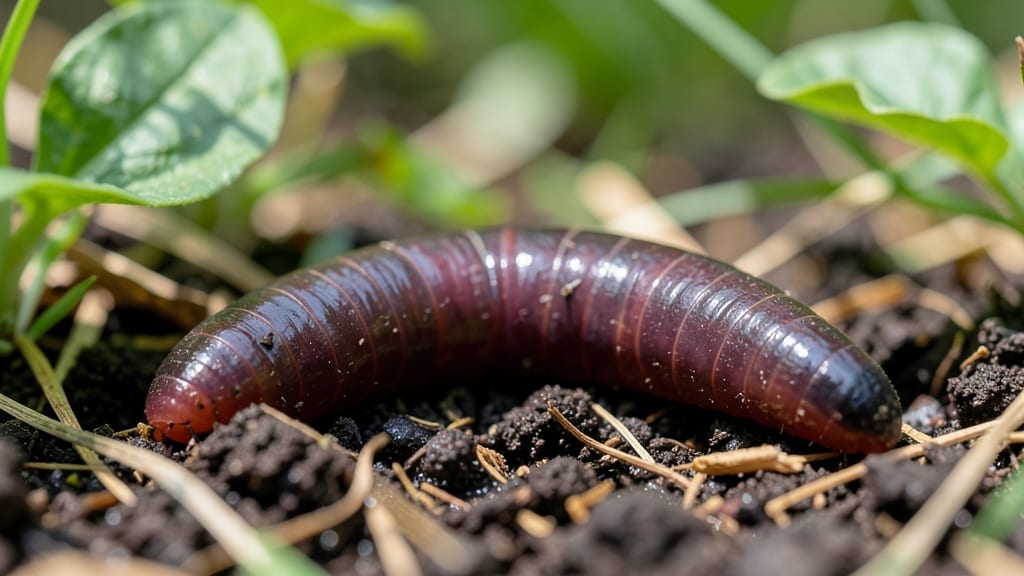
Garden worms eat decaying plant matter like fallen leaves, grass clippings, and composted vegetable scraps, along with fruits, coffee grounds, and crushed eggshells. They avoid meat, dairy, and oily foods, thriving on organic materials rich in nitrogen and carbon.
Garden worms are nature's recyclers, feasting on plant-based scraps that most people toss. 🌱 These soil superheroes break down organic waste like banana peels, apple cores, and even shredded newspaper, turning it into nutrient-rich castings.
Their diet isn't just about what they eat—it's about the balance between nitrogen (from foods like fruit scraps) and carbon (from dry leaves or cardboard).
Too much of either throws off their digestive system, so I always mix my worm bin scraps with equal parts "greens" and "browns" for perfect composting conditions.
What's fascinating is how they process their food. Worms don't have teeth—they swallow soil and organic matter whole, then grind it up in their gizzard using tiny stones they've ingested. This process aerates the soil and creates those prized worm castings, which gardeners swear by for plant growth.
I've found that worms will even eat their own castings if they're hungry, showing just how efficient their digestive system is!
💡 In This Article
- The Science Behind Worm Diet: Why Organic Matter Fuels Their Growth
- Best and Worst Foods for Your Compost Worms: A Practical Guide
The science behind worm diet: why organic matter fuels their growth
Garden worms, particularly Eisenia fetida (the common red worm), are nature's ultimate recyclers. Their digestive systems are specially adapted to break down cellulose—the tough, fibrous material found in plant cell walls.
Worms don't produce the enzymes to digest cellulose directly, but they host symbiotic bacteria in their gut that perform this chemical breakdown. This process releases nutrients like nitrogen, phosphorus, and potassium, which worms then absorb and convert into nutrient-rich castings.
The magic happens through a carbon-to-nitrogen ratio of about 30:1—this balance is crucial for worm health. Too much nitrogen (from foods like fruit scraps or coffee grounds) creates ammonia buildup, which can harm worms. Too much carbon (from dry leaves or cardboard) slows decomposition.
I've found that mixing equal parts "greens" (nitrogen-rich) and "browns" (carbon-rich) in my worm bin creates ideal conditions. For example, 1 part banana peels (nitrogen) with 2 parts shredded newspaper (carbon) keeps my worms thriving.
Worms also need moisture to process their food—about 70-80% humidity in their environment. Their gizzard (a muscular stomach) grinds up food using tiny stones they've ingested, creating a fine, nutrient-packed mixture. This grinding action also aerates the soil, improving its structure.
The result? Worm castings that contain 5 times more nitrogen, 7 times more phosphorus, and 11 times more potassium than the original soil—making them a gardener's secret weapon.
What's surprising is how worms prioritize their diet. They'll consume half their body weight in food daily, but they'll avoid anything toxic or overly acidic. For instance, while they love citrus peels, too much can lower the pH of their environment, stressing them out.
This selective eating ensures they only process safe, beneficial materials, which is why their castings are so valuable for plant growth. 🌱
Here's what happens when their diet is off-balance: worms become lethargic, stop reproducing, or even die. I've seen this firsthand when I accidentally fed them too much onion scraps—the sulfur compounds in onions are toxic to them.
The lesson? Pay attention to what you feed these tiny composters, and they'll reward you with rich, fertile soil.
Worms also play a key role in soil aeration. As they tunnel through the earth, they create channels that allow air and water to penetrate deeper. This process, called bioturbation, improves drainage and root growth.
In fact, a single worm can process up to 1 pound of soil per year, turning it into a nutrient-dense growing medium. Their diet isn't just about survival—it's about creating a thriving ecosystem beneath our feet.
For gardeners, understanding this science means you can create the perfect worm habitat. A well-balanced diet keeps worms active, happy, and reproducing, ensuring a steady supply of those golden castings.
Whether you're maintaining a worm bin or simply encouraging worms in your garden, the key is providing a mix of organic materials that mimic their natural environment. 💫