
Fertilization
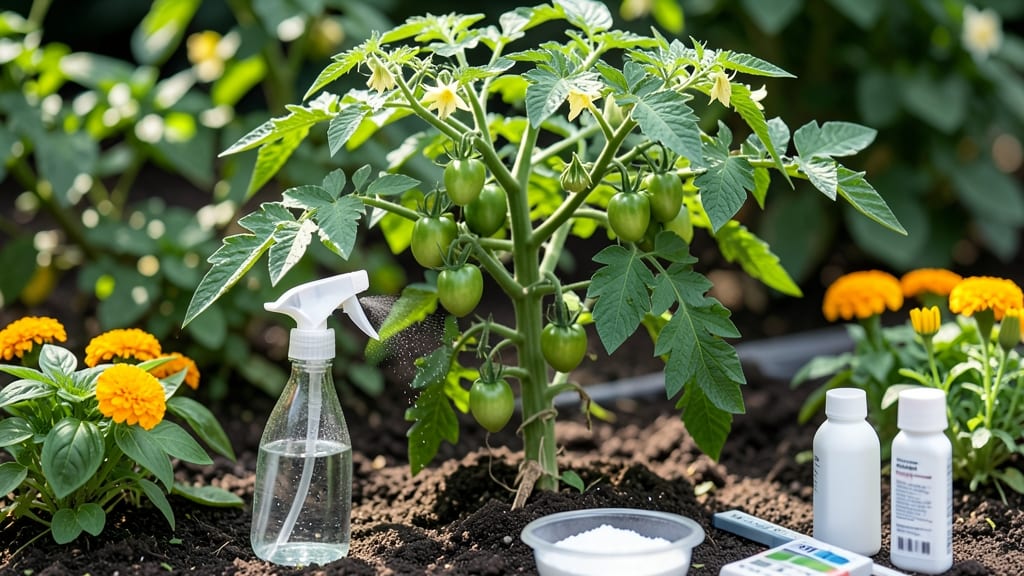
Using baking soda in the garden creates a natural solution for controlling fungal diseases, repelling pests, and adjusting soil pH without harsh chemicals. Apply it as a foliar spray or soil amendment to combat mildew, slugs, and acidic conditions.
Baking soda's alkaline nature disrupts the growth of fungal spores like powdery mildew by creating an inhospitable environment for them. 🌱 When mixed with water and a bit of oil, it forms a gentle spray that coats plant leaves while preventing spores from taking hold.
I've found this especially effective for organic gardeners who want to avoid synthetic fungicides that can harm beneficial insects or leave chemical residues on edible plants.
The same properties that make it a fungicide also help deter slugs and snails—just sprinkle a light layer around vulnerable plants to create a barrier they won't cross.
For soil applications, baking soda helps neutralize overly acidic conditions, which benefits plants like blueberries and azaleas that prefer slightly acidic soil. However, it's important to use it sparingly—too much can raise the pH too quickly, potentially harming acid-loving plants.
Always test your soil first and monitor plant responses after application. The key is balance: baking soda is a powerful tool when used correctly, but it's not a one-size-fits-all solution for every garden problem.
💡 In This Article
- How Baking Soda Works as a Natural Garden Fungicide
- DIY Baking Soda Garden Sprays and Soil Mixes
How baking soda works as a natural garden fungicide
Baking soda's fungicidal power comes from its chemical makeup—sodium bicarbonate (NaHCO₃)—which creates an alkaline environment that fungal spores can't tolerate.
When you spray a solution of 1 tablespoon baking soda mixed with 1 quart water and a few drops of dish soap onto plant leaves, the pH shifts from the ideal acidic range (around 5.5-6.5 for most fungi) to a more alkaline state (around 8.0-8.5).
This disrupts the fungal cell membranes, preventing spores from germinating or spreading. 🌱 For example, powdery mildew thrives in these acidic conditions, but baking soda's alkalinity essentially starves the fungus by altering the leaf surface chemistry.
The mild abrasiveness of baking soda also plays a role—it physically disrupts fungal hyphae (thread-like structures) while breaking down organic debris that fungi use as food sources.
Unlike synthetic fungicides that often contain copper or sulfur (which can accumulate in soil and harm beneficial microbes), baking soda decomposes harmlessly into sodium, carbon dioxide, and water. This makes it particularly safe for edible plants like tomatoes, peppers, and cucumbers, where chemical residues are a concern.
The key is timing: apply the spray in the early morning when humidity is high but before direct sunlight can cause the solution to dry too quickly and lose effectiveness.
What makes baking soda uniquely effective against fungal diseases like black spot or downy mildew is its ability to create a protective film on leaves. The sodium ions in the solution interfere with the fungus's ability to absorb nutrients from the plant, while the bicarbonate ions disrupt its metabolic processes.
Studies show that regular applications (every 7-10 days) can reduce fungal infections by up to 70% compared to untreated plants. The best part? You can use this remedy on both ornamental and vegetable plants without worrying about toxicity to humans or pets.
However, baking soda isn't a cure-all—it works best as a preventive measure rather than a treatment for advanced infections. For established fungal growth, you might need to combine it with other organic methods like neem oil or potassium bicarbonate.
Also, avoid using it on plants that prefer acidic soil (like hydrangeas) unless you're specifically treating fungal issues, as the alkalinity could affect their growth. Always test a small area first to ensure your plants tolerate the pH shift well.
One common misconception is that baking soda will harm beneficial insects like bees or ladybugs. In reality, when applied correctly (avoiding direct contact with flowers during bloom), it poses minimal risk. The solution's mild nature means it won't kill beneficial predators of garden pests, unlike many chemical fungicides.
For extra protection, apply sprays when bees are less active, such as late afternoon, and always follow up with thorough rinsing if treating flowering plants.
For maximum effectiveness, pair your baking soda spray with good air circulation around plants and avoid overhead watering, which creates the moist conditions fungi love. The combination of these practices creates an environment where baking soda can work its magic most effectively. 🌿