
Trees
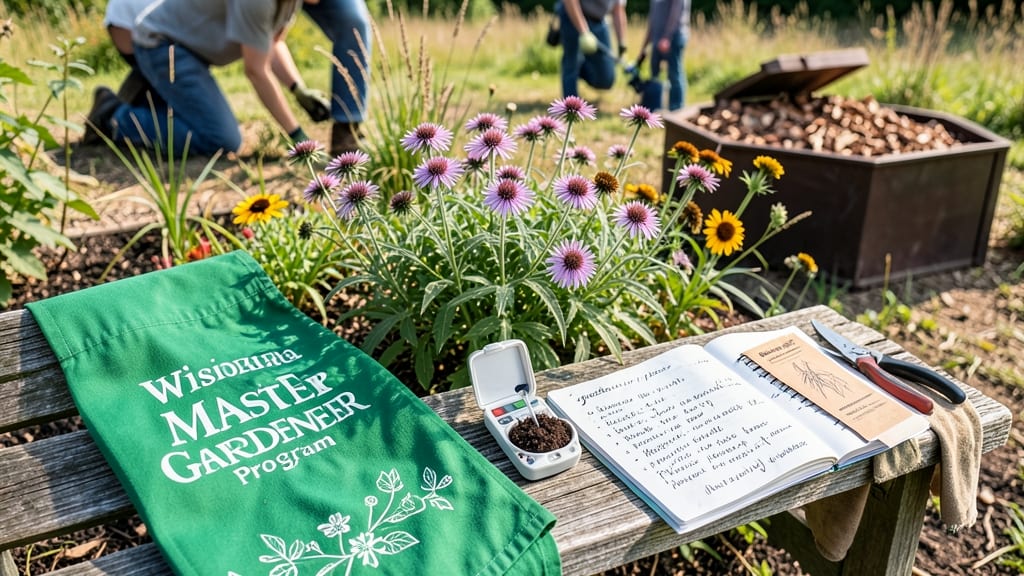
The Wisconsin Master Gardener Program trains volunteers in sustainable gardening practices, plant science, and horticulture to support local communities through education and service, requiring 40 hours of coursework and 25 hours of volunteer service for certification.
Becoming a Wisconsin Master Gardener isn't just about gardening—it's a commitment to sharing expertise with your community. 🌱 The program covers everything from plant health to eco-friendly landscaping, taught by UW-Madison Extension educators.
What sets it apart is the hands-on volunteer requirement, which connects participants directly with local gardens, schools, and plant clinics. Many graduates say the best part is turning knowledge into action, whether it's teaching kids about pollinators or helping homeowners diagnose plant problems.
If you're passionate about gardening but want to give back, this program provides both the training and the network to make an impact. Applications open seasonally, so keep an eye on your local UW-Extension office for deadlines.
The investment of time pays off not just in certification, but in the satisfaction of seeing your community grow—literally and figuratively.
💡 In This Article
- Wisconsin Master Gardener Training Curriculum Breakdown
- How to Apply and Find Local Wisconsin Master Gardener Volunteer Roles
Wisconsin Master Gardener training curriculum breakdown
The Wisconsin Master Gardener training spans 40 hours of intensive coursework designed to transform passionate gardeners into knowledgeable educators.
The curriculum blends classroom instruction with hands-on learning, covering core topics like plant pathology, where you'll study diseases like powdery mildew and black spot, and how environmental factors—such as humidity or temperature—accelerate their spread.
Soil science is another critical focus, teaching participants how to analyze soil composition (sand, silt, clay ratios) and amend it for optimal plant growth, with Wisconsin's unique clay-heavy soils requiring special attention.
Sustainable landscaping is a cornerstone of the program, emphasizing techniques like native plant integration, water conservation, and organic pest management. For example, you'll learn how to design a pollinator-friendly garden using Wisconsin natives like coneflowers and bee balm, which thrive in our climate and support local ecosystems.
The curriculum also dives into Wisconsin-specific horticulture, including managing invasive species like buckthorn and the nuances of growing crops in our short growing season (average 130-150 frost-free days). 🌿
What makes this program stand out is its alignment with UW-Madison Extension guidelines, ensuring participants receive research-backed education. The training often includes field trips to botanical gardens or research stations, where you might observe soil health assessments or plant diagnostics in real-world settings.
For instance, a visit to the UW-Madison Arboretum might involve analyzing leaf samples under microscopes to identify pests or nutrient deficiencies—a skill you'll later use in volunteer roles.
Advanced topics like integrated pest management (IPM) and organic gardening are also covered, teaching participants how to use natural predators (like ladybugs) to control aphids instead of chemical pesticides.
The program even includes a module on plant propagation, where you'll learn to graft fruit trees or take cuttings—a practical skill for community gardens. Each lesson is designed to be immediately applicable, whether you're advising a home gardener or leading a workshop at a local school.
One unique aspect is the emphasis on Wisconsin's diverse microclimates. The curriculum addresses how to adapt gardening techniques for regions ranging from the cool, wet north to the warmer, drier south, ensuring graduates can provide tailored advice.
For example, you'll learn how to adjust planting schedules for Zone 3-4 conditions, where frost can linger into May or return in September. This regional focus ensures the training is relevant to every participant's local challenges.
Finally, the program includes a segment on teaching and communication skills, preparing volunteers to present information clearly to diverse audiences. You'll practice creating educational materials, from simple fact sheets to interactive workshops, ensuring you can effectively share knowledge with gardeners of all skill levels.
This focus on outreach is what turns gardening enthusiasts into community leaders.