
Planting
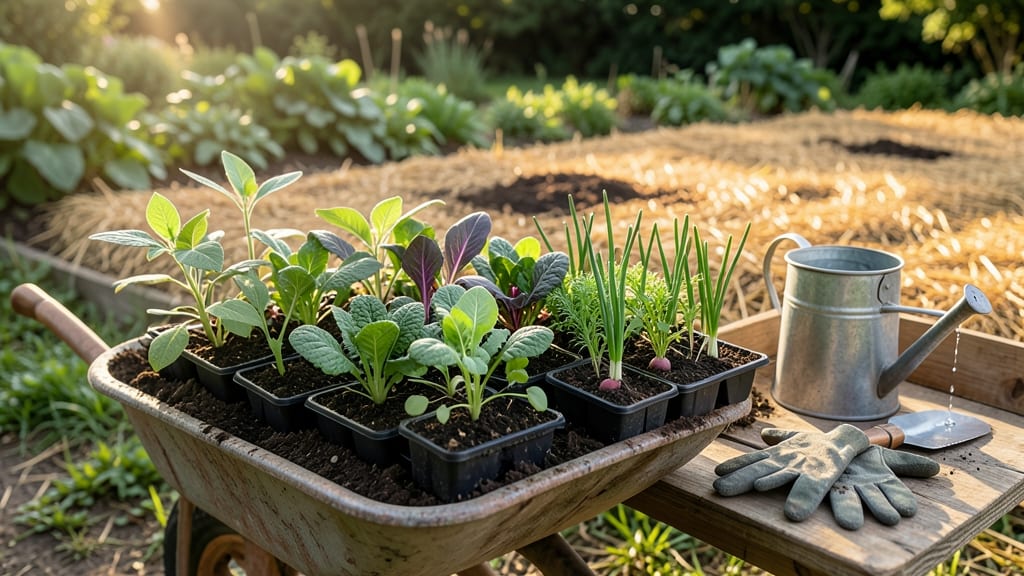
June isn’t too late to plant a garden—fast-growing warm-season crops like beans, cucumbers, and zucchini still thrive with proper care, while heat-tolerant greens can succeed in cooler regions. Start with quick-sprouting seeds and prioritize evening watering to maximize success.
June gardening works because many vegetables mature quickly in warm weather, giving them time to produce before fall. 🌱 Crops like bush beans and radishes can go from seed to harvest in as little as 30 days, while heat-loving plants such as okra and sweet potatoes thrive in high temperatures.
The key is choosing varieties bred for late-season success—look for labels like "heat-tolerant" or "fast-maturing."
Don't overlook shade solutions like row covers or drip irrigation systems, which help conserve moisture during peak heat. Even in hot climates, morning watering prevents evaporation, while mulch keeps soil cool and retains moisture. For container gardens, opt for self-watering pots to maintain consistent moisture levels without overwatering.
💡 In This Article
- Heat-Resistant Crops Perfect for June Planting
- June Gardening Success: Pro Tips for Late Planting
Heat-resistant crops perfect for June planting
June planting succeeds because certain vegetables evolved to handle summer's intensity. Their secret lies in deep root systems that access moisture from lower soil layers, like okra (roots extend 3-4 feet deep) or sweet potatoes (vines spread horizontally to shade soil).
These crops also have waxy leaf coatings that reduce water loss—similar to how cacti survive deserts. 🌡️ The most heat-tolerant varieties even continue flowering in 90°F+ temperatures, unlike cool-season crops that bolt (go to seed) when stressed.
Fast maturation is equally critical. Bush beans (ready in 50-60 days) and radishes (25-30 days) outpace slower growers, while zucchini and cucumbers produce prolifically when planted in late June.
Regional adaptations matter too: Southern gardeners can grow peppers and eggplant year-round, while Northerners should focus on bush beans and lettuce varieties labeled "heat-tolerant" (like 'Black Seeded Simpson'). The USDA's Plant Hardiness Zone Map helps identify which crops thrive in your specific late-summer climate.
What most people overlook is the 10-14 day window before fall's first frost that still allows for harvest. In Zone 5, this means planting by July 1st for a late August harvest, while Zone 10 gardeners can extend planting until mid-August.
The key is calculating your "frost-free days" (typically 120-150 days after last frost) and choosing crops that mature 10-20 days before that deadline. For example, bush peas (ready in 60 days) work in cooler regions, while okra (65-70 days) dominates in the South.
Soil temperature plays a hidden role—most warm-season crops need soil at 60-70°F to germinate. In June, this means waiting until late afternoon when surface temps peak, then planting 1/2 inch deep to avoid overheating seeds.
A soil thermometer costs $10 but prevents wasted seeds. 🌱 For containers, use black pots (absorb more heat) or light-colored fabric grow bags (retain moisture better). The right container material can mean the difference between a thriving plant and one struggling against heat stress.
Don't forget about succession planting—the practice of staggering plantings every 2 weeks to maintain a continuous harvest. This works especially well with bush beans and lettuce, where each new batch extends your harvest window by 3-4 weeks.
The 3-2-1 rule applies here: Plant 3 rows of beans, then 2 weeks later plant another, followed by 1 final row a week after that. This ensures you always have fresh produce while older plants mature.
For shade-loving crops like spinach or kale, consider partial shade solutions such as 30% shade cloth (allows 70% sunlight) or drip irrigation with shade umbrellas. These create microclimates where greens can thrive even when daytime temps hit 95°F.
The 20-30% reduction in light intensity prevents bolting while maintaining photosynthesis—think of it like wearing a sun hat for your plants.
Remember: The first 72 hours after planting are critical for establishing roots in hot weather. Water deeply at planting (about 1 gallon per plant), then maintain 1 inch of water per week—either through rainfall or irrigation.
The evening watering rule (after 6 PM) prevents evaporation and fungal growth, while mulching with 2-3 inches of straw keeps soil temps 10°F cooler than bare earth. These small adjustments turn June's heat into an advantage rather than a barrier. 💫