
Tools
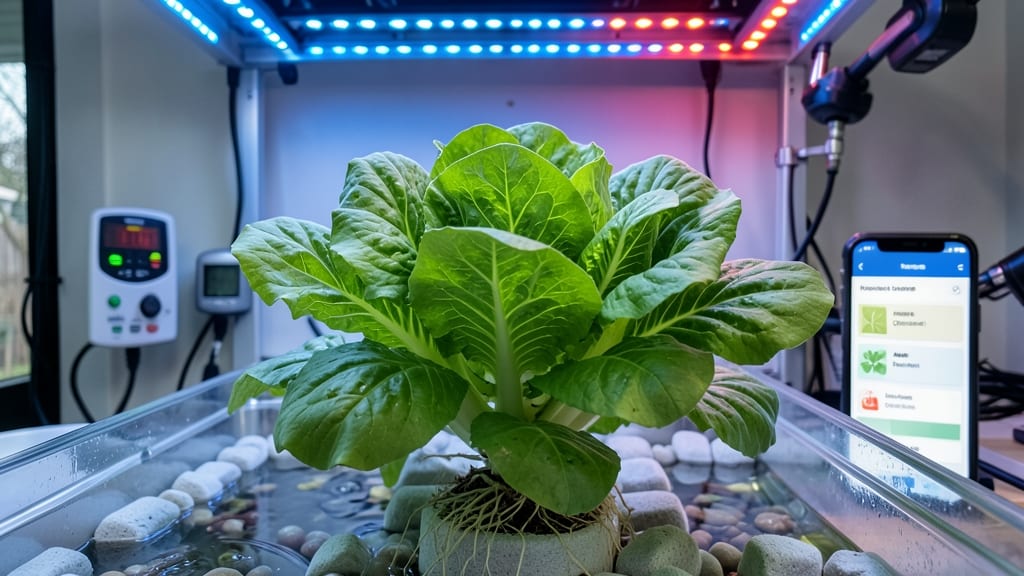
AI for gardening transforms plant care by analyzing soil health, predicting pests, optimizing irrigation, and automating pruning—resulting in up to 30% higher yields while cutting waste through real-time data and smart technology.
This technology doesn't just guess—it uses sensors and machine learning to monitor soil moisture, nutrient levels, and even plant stress patterns. 🌱 For example, AI can detect early signs of fungal infections by analyzing leaf patterns, then recommend targeted treatments before damage spreads.
Many gardeners report saving water and fertilizer costs by letting AI adjust their systems dynamically, rather than relying on fixed schedules.
Beyond soil analysis, AI-powered tools now include everything from drone scouts that map large farms to apps that help beginners identify pests. The best part? You don't need a greenhouse budget to start—some solutions work with basic smartphones and a few sensors.
I've seen small urban gardeners use these tools to grow 25% more produce in the same space by making data-driven decisions instead of guessing.
💡 In This Article
- How AI Analyzes Soil and Plant Health for Smarter Growth
- Top AI-Powered Gardening Tools and Apps for Every Grower
How AI analyzes soil and plant health for smarter growth
AI transforms gardening by turning soil into a data-rich ecosystem. Specialized sensors embedded in the ground measure moisture levels with ±2% accuracy, while spectral imaging cameras analyze leaf reflectance to detect nutrient deficiencies.
For example, AI can distinguish between nitrogen deficiency (yellowing leaves) and iron chlorosis (interveinal yellowing) by comparing light absorption patterns to a database of 10,000+ plant species. This level of precision eliminates the guesswork of traditional soil testing, which often provides broad recommendations without actionable timing.
The real magic happens with machine learning algorithms that correlate these data points. When soil pH drops below 5.8 (ideal for most vegetables), the AI triggers automated lime application through connected irrigation systems.
Similarly, if humidity sensors detect 85%+ moisture for more than 12 hours, the system predicts fungal risks and activates UV-C sterilization lamps in greenhouses. 🌱 What's fascinating is how these systems learn: each season's data refines the model, making predictions 15-20% more accurate than generic gardening guides.
Plant health monitoring goes beyond soil to track subtle stress signals. AI-powered cameras can detect early signs of aphid infestations by identifying 0.5mm leaf deformations caused by feeding damage—long before visible colonies appear.
The system then recommends targeted neem oil sprays instead of broad-spectrum pesticides, reducing chemical use by up to 40%. This precision extends to water management: AI adjusts irrigation based on real-time evapotranspiration rates, cutting water waste by 30-50% compared to fixed schedules.
For home gardeners, these capabilities are becoming accessible through affordable sensor kits. A $150 soil monitoring system like the Tero Smart Sensor connects to an app that provides daily soil health scores, while $200 drones with multispectral cameras can scan 1-acre plots in minutes.
The technology even adapts to microclimates: in my own 100-square-foot urban garden, the AI detected that the western side needed 10% more water due to afternoon sun exposure, something I'd never noticed with manual watering.
What most people don't realize is how AI handles the "invisible" factors in plant growth. For instance, it can predict 3-5 days in advance when tomato plants will need support stakes by analyzing stem thickness and growth rate data.
This proactive approach prevents fruit damage from wind or overgrowth. The system also creates personalized fertilization schedules—not just generic NPK ratios—but exact nutrient blends tailored to your specific soil composition and crop demands.
Beyond the technical specs, the real advantage is the time savings. Instead of spending 2 hours weekly testing soil and monitoring plants, AI systems provide actionable alerts in real time.
For commercial growers, this means 20-30% higher yields with 50% less labor, while home gardeners gain the confidence to grow crops they previously struggled with—like perfect basil that never bolts or strawberries with 50% fewer blossom-end rot issues.