I remember the first time I planted a seed—it was a sunflower in a cracked clay pot on my grandmother’s windowsill. Watching it grow into something bright and tall made me realize how rewarding gardening could be. Now, I’m here to share the joy of cultivating your own little patch of green, whether you’re a seasoned green thumb or just starting out. My goal is to make gardening approachable, practical, and full of small victories that make the effort worth it.
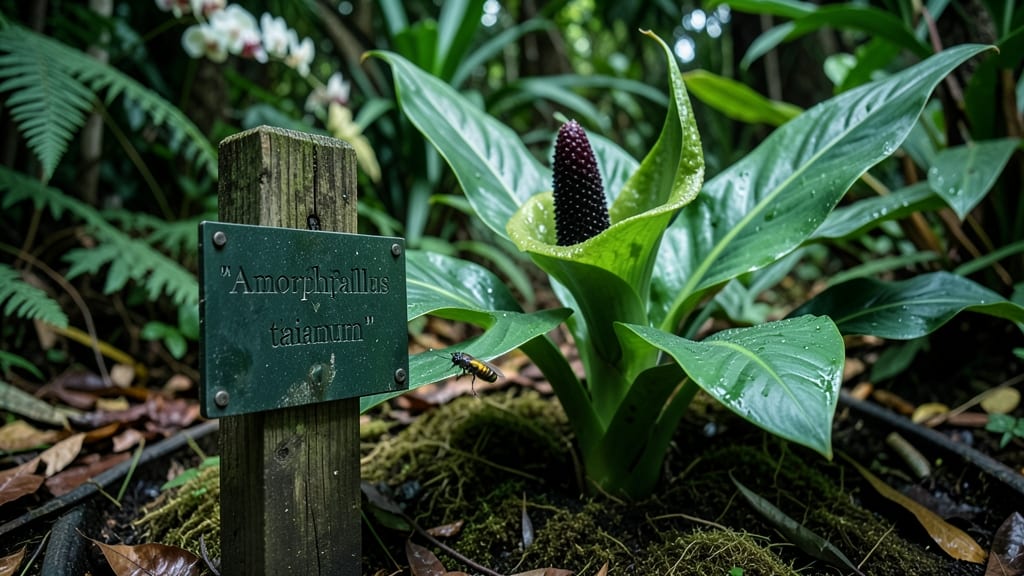
💥 Quick Answer A smelly plant in botanical gardens typically reveals evolutionary adaptations—whether it's luring pollinators with sweet or rotten scents, warning predators of toxicity, or signaling medicinal…
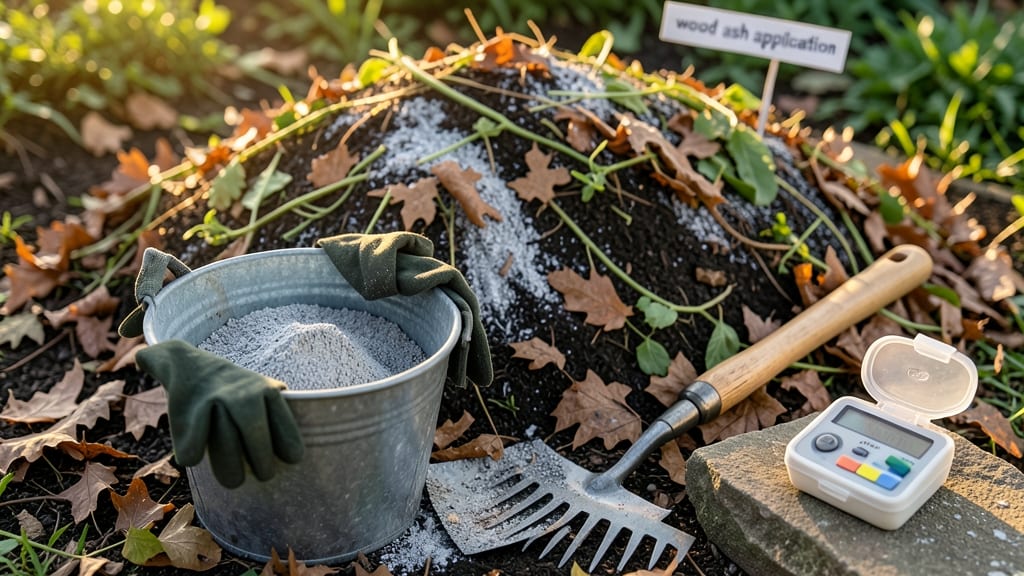
💥 Quick Answer Using wood ashes in your garden can significantly boost soil pH, add essential minerals like potassium and calcium, and improve nutrient access for vegetables such as tomatoes and peppers. Use…
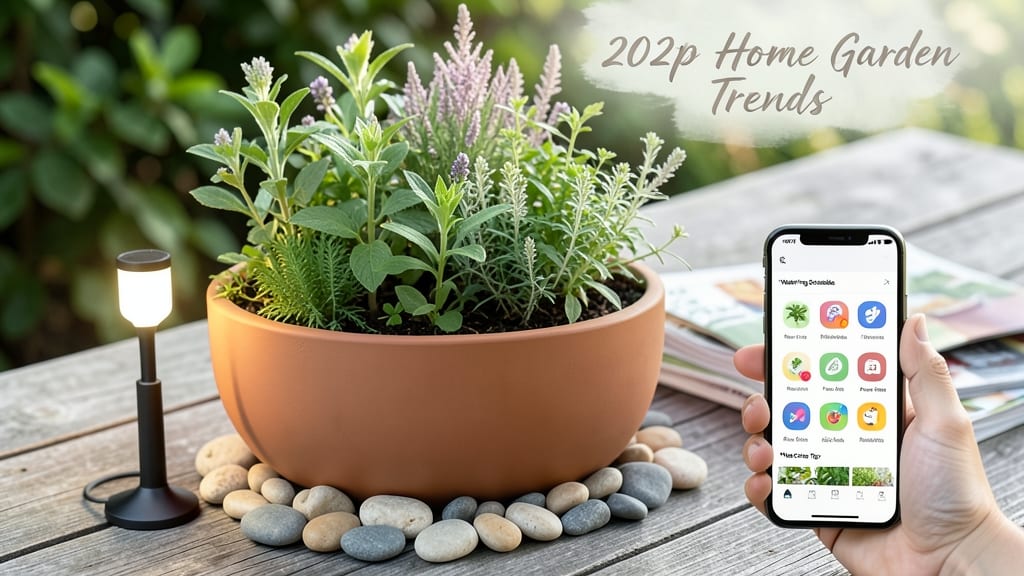
💥 Quick Answer This year's home and garden trends emphasize eco-conscious outdoor living, with native plant landscaping and smart technology leading the charge. Sustainable designs like vertical gardens and biophilic…
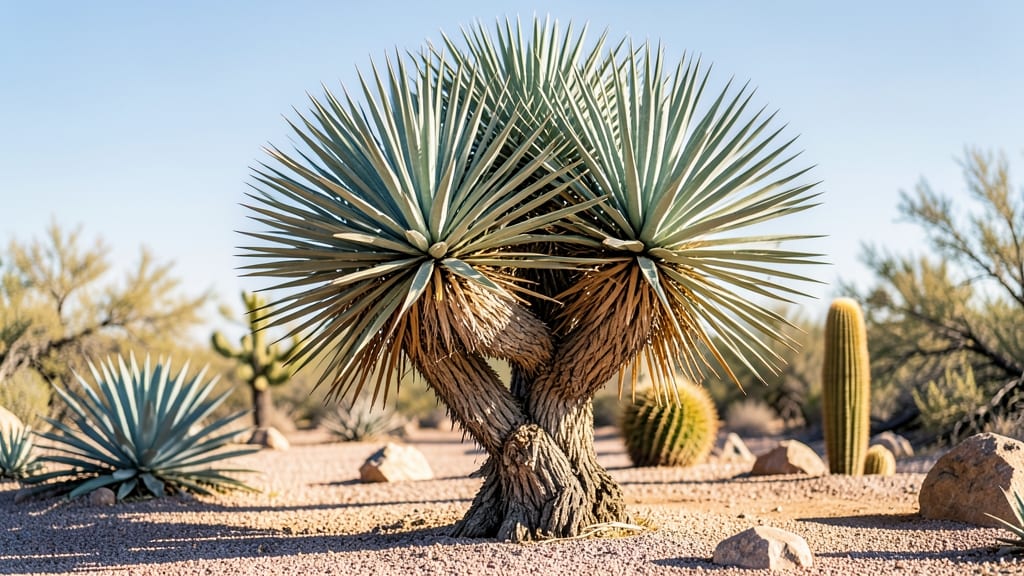
💥 Quick Answer A Sunset Western Garden thrives with native plants like California poppies, manzanita, or ceanothus that naturally withstand dry conditions and poor soils. Prioritize low-maintenance species adapted to…
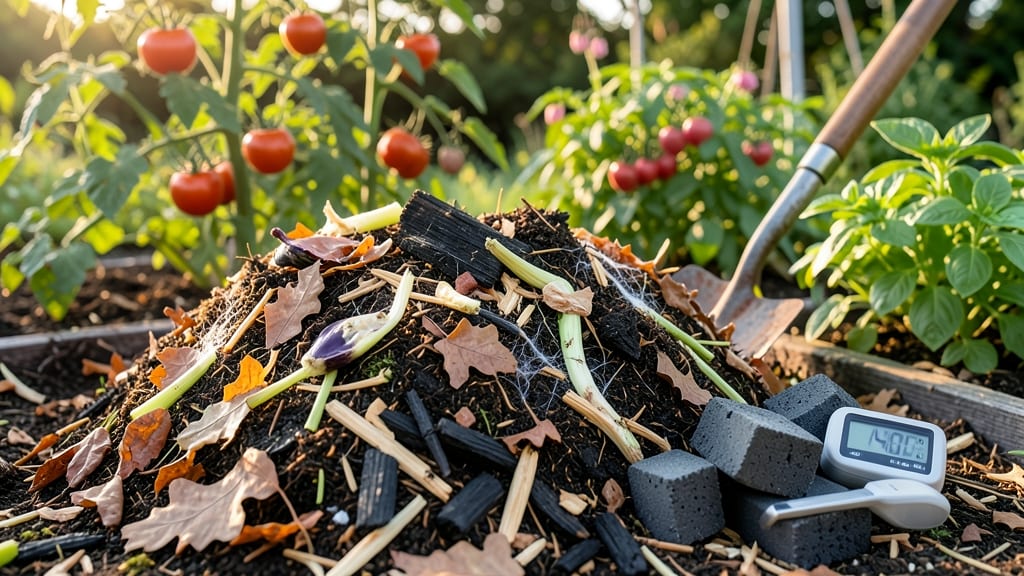
💥 Quick Answer Coal is not good for the garden: it raises soil pH drastically, creating alkaline conditions that harm most plants by locking out essential nutrients like nitrogen, phosphorus, and iron. Organic matter or…
💥 Quick Answer Using coffee grounds as garden fertilizer adds nitrogen-rich organic matter that improves soil health, but must be applied correctly to avoid over-acidifying or harming plants. Spread lightly, compost…
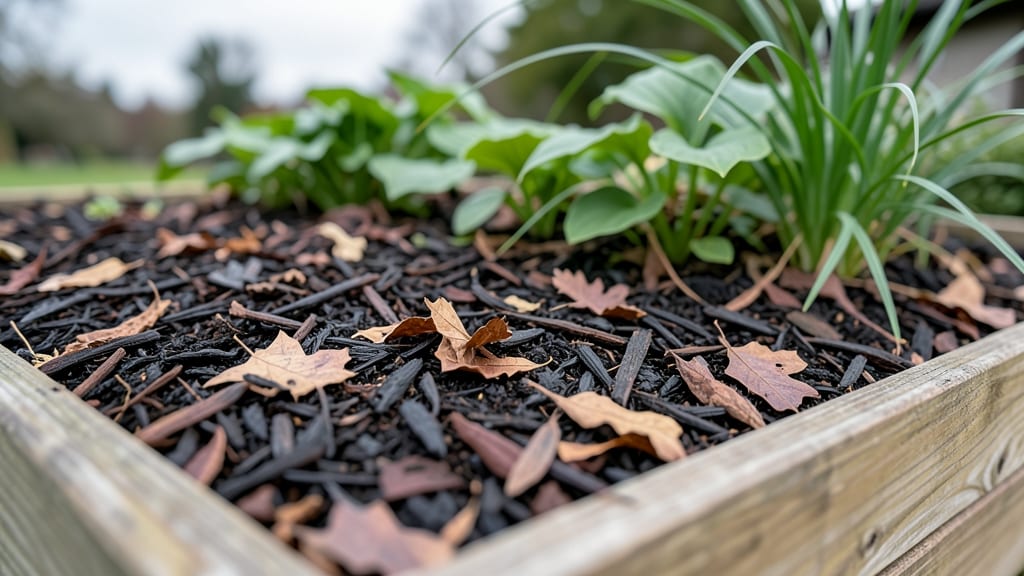
💥 Quick Answer Using mulched leaves in garden transforms your yard by naturally fertilizing soil, blocking weeds, and conserving moisture—all while protecting plants from erosion. For best results, apply 2-4 inches of…
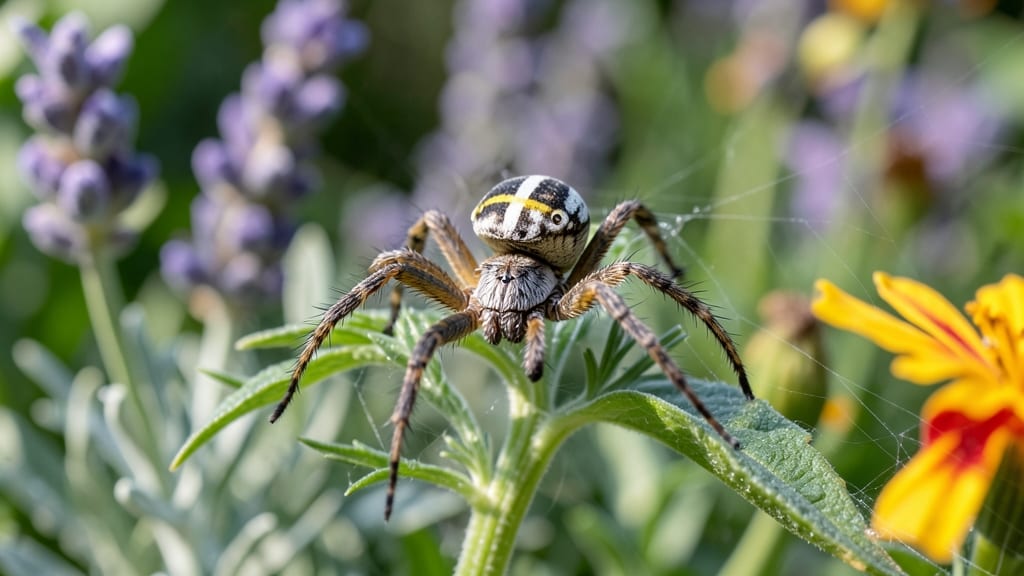
💥 Quick Answer Spiders are beneficial in the garden because they act as natural pest controllers by preying on harmful insects like aphids, caterpillars, and mites, which helps maintain a healthy garden ecosystem…
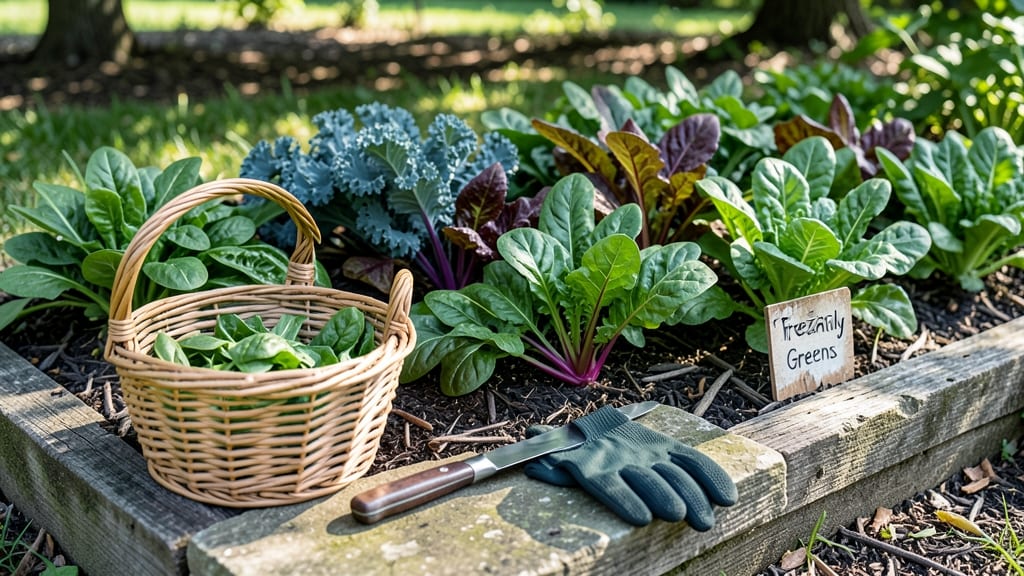
💥 Quick Answer You can freeze straight-from-the-garden greens like kale, collard greens, Swiss chard, and spinach—blanching first preserves texture and nutrients, while herbs like cilantro and parsley freeze well…