
Planting
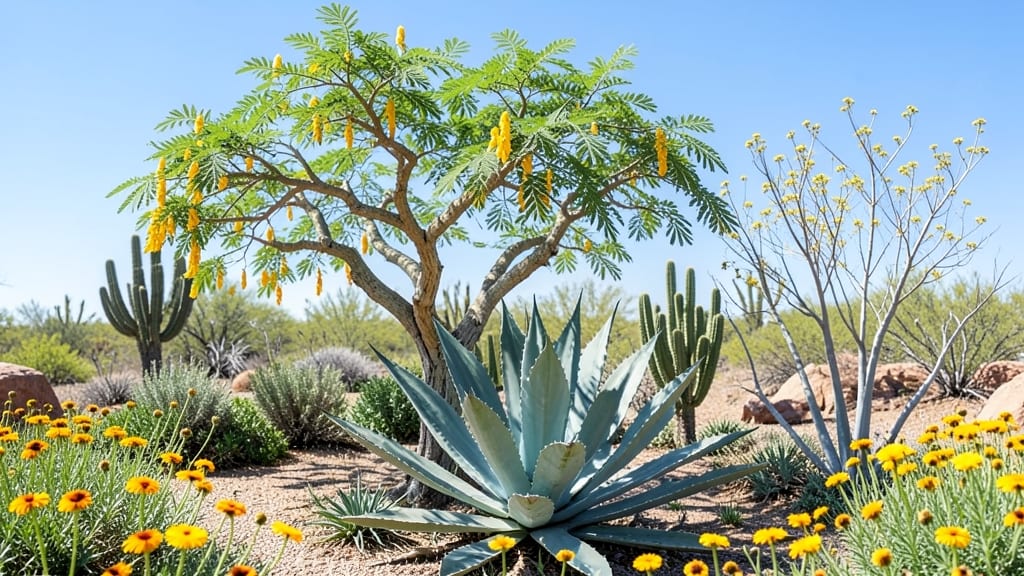
Understanding Arizona gardening zones is essential because the state spans USDA Hardiness Zones 4 through 11, with dramatic shifts between desert lowlands and mountain elevations. Most desert areas thrive in Zones 9-11, while high-altitude regions like Flagstaff support Zone 4 plants.
Arizona's extreme elevation changes create microclimates that can vary by just a few miles. 🌵 For example, Phoenix sits comfortably in Zone 10, while nearby mountain foothills might drop into Zone 7.
This diversity means gardeners can grow everything from citrus trees in the valleys to cold-hardy apples in the high country. The key is knowing your specific elevation and local conditions—urban areas often run warmer than rural spots due to heat absorption from pavement and buildings.
What makes this especially interesting is how quickly conditions change. A plant that thrives in Tucson's Zone 10 might struggle just 50 miles away in a cooler mountain valley. 🌿 That's why local nurseries often carry plants pre-adapted to these microclimates—always check with them before planting.
The desert's intense sun also means shade requirements differ dramatically from what you'd see in more temperate climates.
💡 In This Article
- How Arizona’s Microclimates Affect Plant Hardiness Zones
- Best Plants for Each Arizona Gardening Zone
How Arizona’s microclimates affect plant hardiness zones
Arizona’s gardening zones are shaped primarily by elevation, where every 1,000 feet of ascent can drop the zone by 2-3 levels. For example, Phoenix at 1,100 feet sits in Zone 10, while the White Mountains at 9,000 feet support Zone 6 plants.
This happens because cooler temperatures at higher elevations slow plant metabolism, allowing cold-sensitive species to survive. The 10°F difference per 1,000 feet rule explains why a Zone 10 desert plant like a bougainvillea thrives in Phoenix but would freeze in Zone 7 Flagstaff.
The desert’s intense daytime heat (often 110°F+) contrasts sharply with nighttime drops to 60°F, creating thermal stress for many plants. 🌵 Urban areas like Tucson experience urban heat islands, where pavement and buildings raise temperatures by 5-10°F compared to rural areas, pushing zones upward.
For instance, a backyard in central Phoenix might be Zone 10b, while a nearby park with more shade could be Zone 10a. This microclimate variation means gardeners must observe their specific conditions rather than relying solely on general zone maps.
Wind patterns also play a critical role. The Santa Ana winds in southern Arizona can dry out soil and desiccate plants, while mountain valleys trap cold air, creating frost pockets. These factors explain why some Zone 9 areas near Tucson can support citrus trees while nearby foothills require frost-tolerant varieties.
The key takeaway is that Arizona’s zones aren’t just about temperature—they’re a complex interplay of elevation, urbanization, and wind exposure that demands local adaptation.
For gardeners, this means microclimate mapping is essential. A simple tool like a minimum thermometer placed in your yard for a month will reveal your true frost risk.
For example, a Zone 9 orange tree might survive winters in a sheltered Tucson yard but perish just a mile away in an exposed location. The state’s 1,000+ plant species adapted to these variations offer endless possibilities, but success hinges on understanding your specific corner of Arizona’s diverse climate puzzle.
Consider these three critical factors when assessing your microclimate:
- Elevation: Check your exact elevation using tools like Google Earth—every 1,000 feet changes your zone by 1-2 levels
- Urban vs. Rural: Urban areas can be 3-5°F warmer due to heat absorption from buildings and roads
- Wind Exposure: Open areas experience 10-15°F colder nights than sheltered spots
What most gardeners overlook is how soil temperature differs from air temperature. In desert zones, soil can stay 10-15°F warmer than the air at night, creating a microclimate where some Zone 8 plants might survive when air temps would suggest otherwise.
This is why mulching with 3-4 inches of organic matter helps regulate soil temperatures and extends growing seasons in marginal zones.