
Pests and Diseases
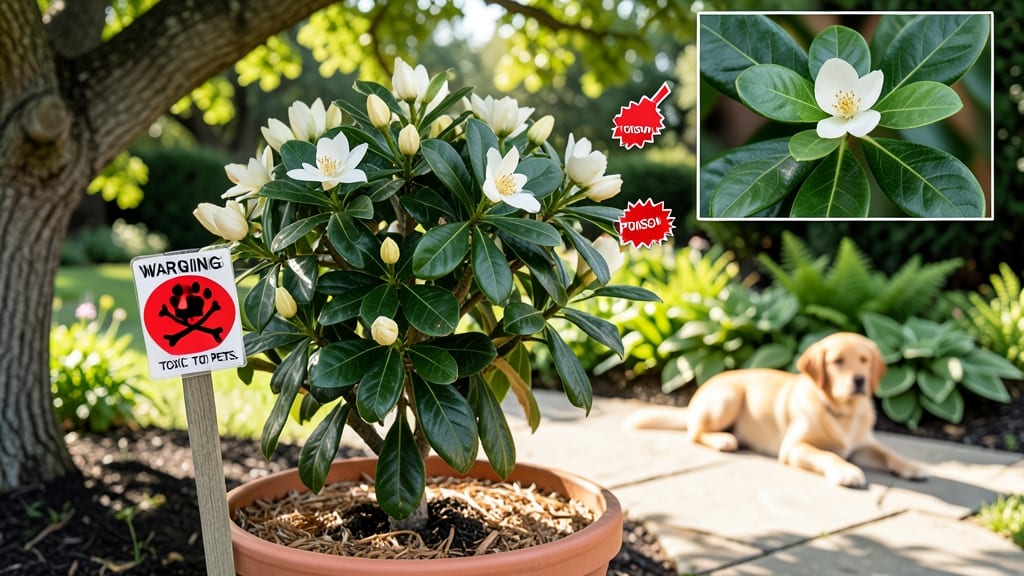
Gardenias are poisonous to dogs and cats, containing toxic compounds like saponins and essential oils that can cause vomiting, diarrhea, and drooling. Ingesting leaves or flowers may lead to more severe symptoms like lethargy or weakness, requiring immediate veterinary attention.
Gardenias contain natural toxins that can trigger an upset stomach in pets, with symptoms often appearing within 30 minutes to 12 hours after ingestion. 🌿 The severity depends on how much your pet consumes—small nibbles might cause mild drooling, while larger amounts can lead to more dangerous reactions.
If you suspect your pet has eaten gardenia leaves or flowers, don't wait for symptoms to appear; contact your vet immediately, as early intervention can prevent complications.
Even gardenia-scented candles or sprays can pose risks, especially in poorly ventilated spaces where pets might inhale concentrated oils. Always keep these products out of reach, and consider pet-safe alternatives like lavender or chamomile for a calming home environment.
The good news? Many beautiful, non-toxic plants can replace gardenias in your garden or home décor.
💡 In This Article
- Toxic Compounds in Gardenias and Their Effects on Pets
- Safe Pet-Friendly Alternatives to Gardenias for Gardens
Toxic compounds in gardenias and their effects on pets
Gardenias contain two primary toxic compounds that pose risks to pets: saponins and essential oils. Saponins are naturally occurring glycosides that create a soapy texture when mixed with water, which is why they're used in some traditional soaps.
In pets, these compounds irritate the digestive tract lining, triggering an inflammatory response that causes vomiting and diarrhea. The essential oils, particularly geraniol and linalool, act as neurotoxins, affecting the central nervous system and leading to symptoms like drooling and lethargy.
The severity of symptoms depends on the amount ingested and the pet's size. A small dog might experience mild drooling and vomiting after eating just one or two leaves, while a larger ingestion could lead to more dangerous reactions like weakness, tremors, or even seizures in severe cases.
Cats are particularly sensitive due to their smaller size and unique liver metabolism, which processes toxins more slowly. 🐾 The timing of symptoms also varies—some pets show signs within 30 minutes to 2 hours, while others may take up to 12 hours for symptoms to appear.
What makes gardenias especially dangerous is how their toxins interact with a pet's body. The saponins disrupt the cell membranes in the digestive tract, leading to fluid loss and dehydration, while the essential oils can cross the blood-brain barrier, affecting coordination and respiration.
In extreme cases, prolonged exposure or large ingestions may cause organ damage, particularly to the liver and kidneys, which are responsible for filtering toxins from the bloodstream. This is why immediate veterinary care is critical if you suspect your pet has been exposed.
Even indirect exposure can be risky. Gardenias release volatile oils into the air, which pets can inhale—especially in confined spaces like bathrooms or bedrooms where gardenia-scented candles or sprays are used. Inhalation can cause respiratory irritation, coughing, or even asthma-like symptoms in sensitive pets.
The scent itself may also attract curious pets, making it harder to prevent accidental ingestion. Always monitor your pets around gardenias, even if they're not directly eating the plant.
If you notice any of these symptoms after your pet has been near gardenias, act fast. Inducing vomiting (only under veterinary guidance) can help remove unabsorbed toxins, while activated charcoal may bind to the remaining compounds in the digestive tract.
Never attempt these remedies without professional advice, as some pets may have complications from the treatments themselves. Prevention is always better—remove gardenias from your home or garden if you have pets, and opt for safer alternatives that still provide beauty and fragrance.