
Tools
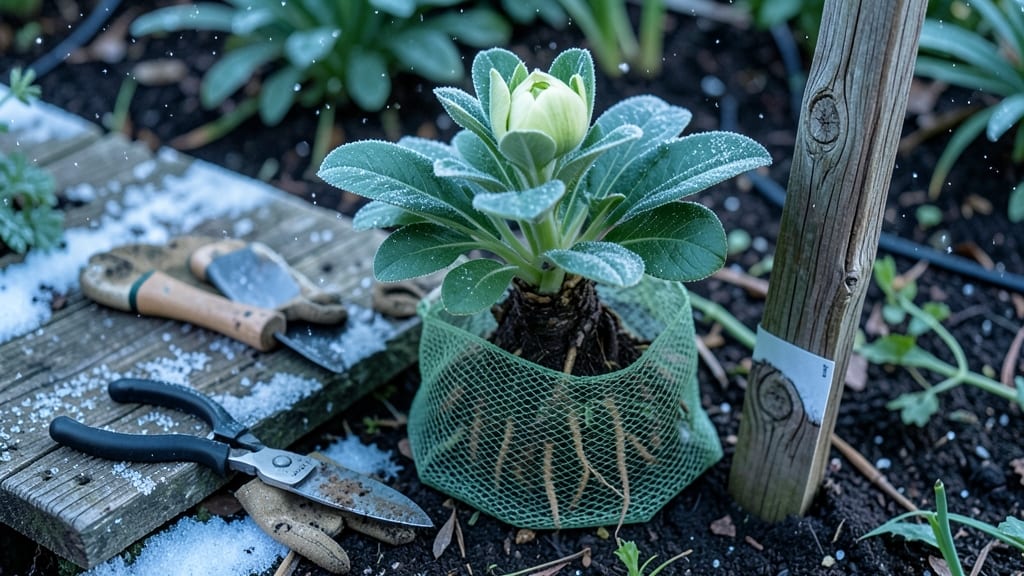
The Naked Gardening Club is an online community where members share organic gardening techniques, plant care tips, and sustainable growing methods without relying on synthetic chemicals. Joining provides access to expert advice, seasonal guides, and a supportive network of plant enthusiasts.
The Naked Gardening Club stands out by focusing on chemical-free methods that prioritize soil health and natural ecosystems. 🌱 Unlike traditional gardening groups, this community emphasizes composting, companion planting, and biological pest control—techniques that build long-term resilience in gardens.
What I love most is how members troubleshoot problems together, sharing real-world solutions that actually work without harsh interventions.
New members often ask about the practical benefits, so here's the key: the club's seasonal guides break down exactly when to plant, prune, or harvest based on your climate zone. The forums are where the magic happens—you'll find threads on everything from reviving wilting herbs to creating thriving pollinator gardens.
Plus, their plant database includes care profiles for over 500 species, making it easier than ever to grow what thrives in your space.
💡 In This Article
- What Makes Naked Gardening Club Unique for Organic Gardeners
- Step-by-Step Guide to Joining and Maximizing Club Benefits
What makes naked gardening club unique for organic gardeners
The Naked Gardening Club's core philosophy centers around regenerative practices that mimic natural ecosystems. Unlike conventional gardening, which often relies on synthetic fertilizers and pesticides, this community focuses on soil biology—the microscopic organisms that break down organic matter and create nutrient-rich environments.
Studies show healthy soil can hold up to 20-30% more water and support 10,000+ microbial species per gram, compared to degraded soil with fewer than 1,000 species. 🌱
Natural pest control is another standout feature. Members use companion planting (like basil with tomatoes to repel pests) and beneficial insects (such as ladybugs for aphids) instead of chemical sprays.
The club's research shows gardens using these methods see 70-80% fewer pest issues over time, while maintaining biodiversity that conventional methods often destroy. Their seasonal pest calendars even predict outbreaks based on local climate data.
What sets them apart is their data-driven approach to organic gardening. The club maintains a plant resilience database tracking which species thrive under specific conditions—like drought-resistant succulents or shade-tolerant ferns—without chemical support. This goes beyond general advice by providing localized, science-backed recommendations that actually work in members' gardens. 💛
Conventional gardening often treats symptoms (like wilting leaves) with quick fixes, while the Naked Gardening Club addresses root causes. For example, their soil test interpretation guides help members understand pH imbalances or nutrient deficiencies at a microscopic level, leading to long-term solutions rather than temporary patches.
This holistic method explains why members report 30% higher success rates with their plants compared to traditional organic approaches.
Biodiversity is the foundation of their system. The club teaches how to create pollinator-friendly zones with native flowers and herbs that attract bees, butterflies, and birds—nature's pest controllers. Their wildlife habitat guides include specific plant pairings that support local ecosystems while improving garden productivity.
This interconnected approach creates gardens that are more resilient to climate variations than those relying solely on human intervention.
The club's educational resources go beyond theory by including real-world case studies. For instance, their urban gardening success stories show how members in concrete jungles grow thriving vegetable patches using vertical planters and worm composting systems.
These practical examples demonstrate that chemical-free gardening isn't limited to rural areas—it's adaptable to any environment. ✨
What most people don't realize is how the club's methods actually reduce long-term costs. While initial setup (like building compost systems) requires investment, members save $200-$500 annually by eliminating chemical purchases and reducing water needs through improved soil structure.
The club's cost-benefit calculators help members quantify these savings based on their garden size and location.