
Tools
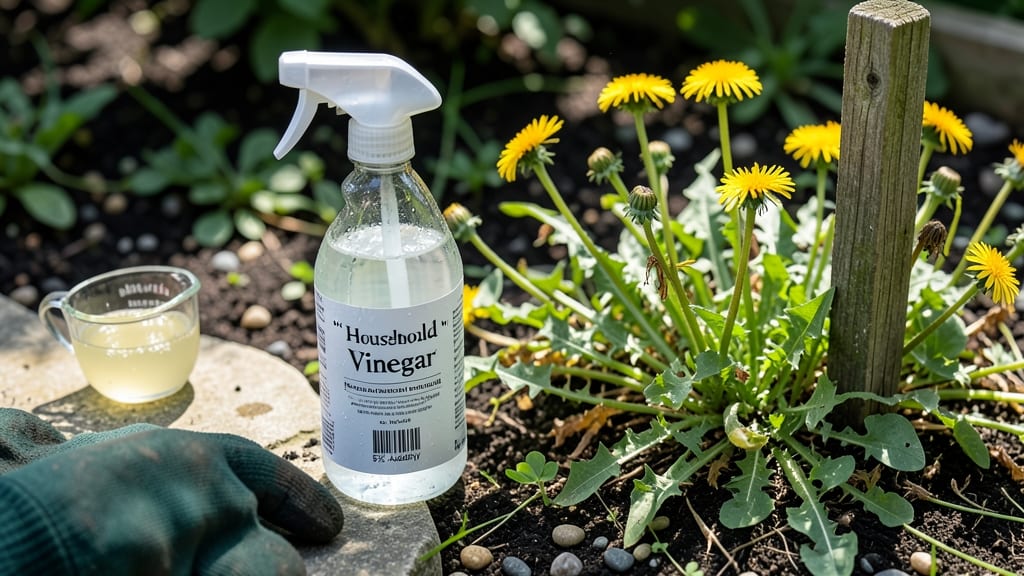
Using vinegar in the garden effectively kills weeds by disrupting cellular functions, treats fungal infections through its acetic acid properties, and lowers soil pH to create acidic conditions for acid-loving plants like blueberries and azaleas. Always dilute properly to avoid harming desirable plants.
Vinegar's acetic acid is the secret weapon behind its garden magic. 🌱 When sprayed on weeds, it breaks down their cell walls, causing them to wilt and die within hours. For fungal issues, the same acid disrupts the protective membranes of spores, preventing them from spreading.
I've found that a 1:1 vinegar-to-water ratio works best for most garden tasks—stronger solutions can damage plant leaves. The pH-lowering effect also makes it perfect for acid-loving plants, though you'll need to monitor soil levels carefully to avoid over-acidification.
White vinegar is the most common choice due to its high acetic acid content, but apple cider vinegar adds beneficial microbes that can improve soil health over time. The key is application timing—spray weeds on sunny days when they're actively growing, and treat fungal spots early before they spread.
For soil pH adjustment, I recommend testing your soil first to determine how much vinegar you'll need, as too much can create an inhospitable environment for all plants.
💡 In This Article
- How Vinegar Works as a Natural Weed Killer and Fungicide
- Best Vinegar Types and Application Methods for Gardens
How vinegar works as a natural weed killer and fungicide
Vinegar's power in the garden comes from its acetic acid content—typically 4-8% in household versions—which acts like a chemical scalpel for unwanted plants. When sprayed on weeds, the acid penetrates their cell walls, causing them to lose water and collapse within 24-48 hours.
This works because weeds lack the protective waxy cuticle that many desirable plants have, making their cells more vulnerable. The process is similar to how salt dehydrates organisms, but vinegar's acidity also disrupts the weed's internal pH balance, effectively poisoning their cellular functions. 🔥
For fungal infections, vinegar's mechanism is equally effective. Fungal spores have delicate membranes that rely on a neutral pH environment to thrive. When vinegar's acetic acid (pH 2-3) comes into contact, it creates an acidic shock that ruptures these membranes, preventing spores from germinating or spreading.
This is why vinegar works so well against common garden fungi like powdery mildew or black spot—it doesn't just kill existing infections but also creates an inhospitable environment for future outbreaks.
The key difference from synthetic fungicides is that vinegar doesn't leave toxic residues, making it safer for edible plants once fully rinsed.
What makes vinegar unique is its dual role in soil chemistry. Most garden soils have a neutral pH (around 7), but acid-loving plants like blueberries (pH 4.5-5.5) or azaleas (pH 5.0-6.0) thrive in more acidic conditions.
Vinegar lowers soil pH by adding hydrogen ions, which helps create the ideal environment. However, this effect is temporary—you'll need to reapply periodically (about every 2-4 weeks) to maintain the desired acidity levels.
The trade-off is that overuse can harm beneficial soil microbes and earthworms, which prefer a more neutral pH.
Compared to synthetic herbicides, vinegar offers several advantages: it's non-toxic to pets and children when used properly, breaks down quickly in the environment, and doesn't contribute to chemical runoff. The downside is its lack of selectivity—it kills all plants it touches, which is why precision application is crucial.
For example, using a 1:1 vinegar-to-water ratio with 1% dish soap as a surfactant helps the solution stick to weeds while minimizing drift to desirable plants. The soap also helps the vinegar penetrate thick weed cuticles more effectively.
One common misconception is that stronger vinegar equals better results. While commercial vinegar (with 5-8% acidity) works faster, household white vinegar (4-5% acidity) is often sufficient and more cost-effective.
The critical factor is consistency—regular applications of diluted vinegar (typically 1:1 or 1:2 vinegar-to-water) provide better long-term weed control than occasional strong doses.
For fungal treatment, I've found that adding 1 tablespoon of baking soda per gallon enhances the effect by creating an alkaline-acid reaction that further disrupts fungal structures.
For gardeners concerned about plant safety, the key is proper dilution and targeted application. A 1:3 vinegar-to-water ratio is generally safe for treating fungal spots on leaves of acid-tolerant plants, while 1:1 ratios should only be used on weeds or extremely hardy plants.
Always perform a patch test on a small area first, especially with delicate plants like tomatoes or peppers, which can show signs of stress even from diluted solutions.
The visual difference is striking—weeds treated with vinegar turn brown and crispy within days, while treated fungal spots lose their fuzzy texture and darken as the infection dies.