
Vegetables
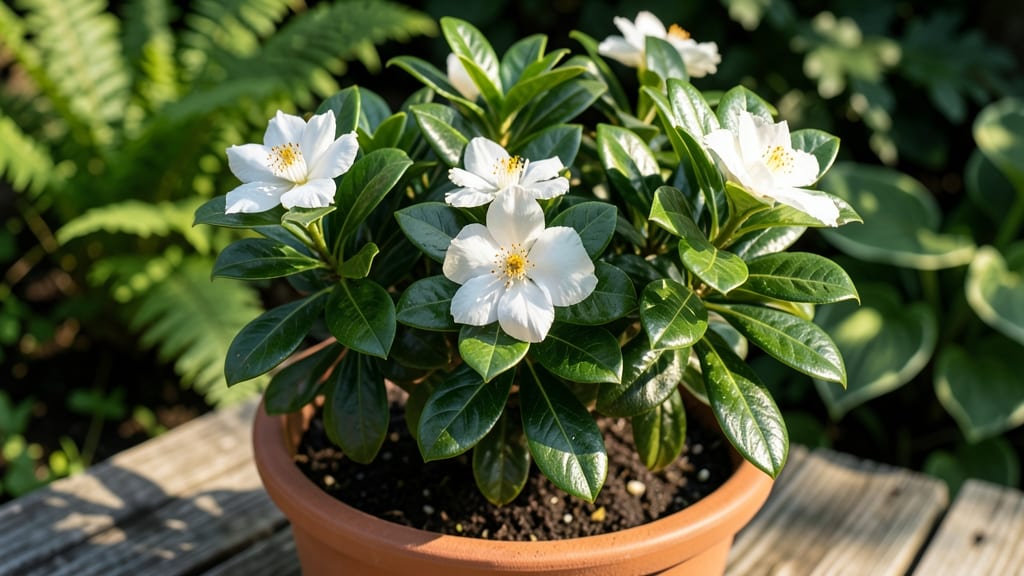
Gardenias stay green all year in warm climates, but their leaves may yellow or drop during cold winters without proper protection. Consistent moisture, partial shade, and seasonal adjustments are key to maintaining their lush, evergreen appearance.
Gardenias thrive in their native tropical environments, which explains why they naturally maintain vibrant green foliage when temperatures stay above 50°F. 🌿 However, when exposed to frost or prolonged cold snaps, their leaves can turn yellow or fall off as a survival response.
The good news is that with the right care—like applying mulch in winter or moving potted plants indoors—you can protect them and keep those glossy leaves year-round. I’ve seen gardenias recover beautifully after winter with just a little extra attention to their needs.
For those in colder regions, choosing cold-hardy gardenia varieties or growing them in containers that can be moved indoors during winter is a game-changer. Even a simple layer of straw mulch around the base can insulate roots and prevent temperature shock.
The key is understanding your gardenia’s limits and adjusting care routines seasonally.
💡 In This Article
- Why Gardenia Foliage Turns Yellow or Falls Off
- Year-Round Care Tips for Keeping Gardenias Lush
Why gardenia foliage turns yellow or falls off
Gardenias react to cold stress through a process called abscission, where the plant naturally drops leaves to conserve energy when temperatures dip below 50°F.
This survival mechanism is triggered by ethylene gas production—a hormone that signals leaf detachment when roots can't absorb enough water due to cold, compacted soil.
The yellowing you see is actually chlorophyll breakdown, a sign the plant is prioritizing root protection over foliage maintenance. 🌱 In tropical climates where gardenias evolved, consistent warmth prevents this stress response entirely.
The real damage happens when frost hits—ice crystals form in leaf cells, rupturing their membranes and causing permanent browning. Even without frost, prolonged exposure to 40-45°F temperatures can lead to nutrient lockout, where roots struggle to uptake essential minerals like nitrogen and potassium.
This deficiency manifests as yellowing between leaf veins (a classic sign of nitrogen starvation) while edges may crisp from dehydration. Gardenias native to Southeast Asia and China aren't equipped for these temperature swings, which is why they thrive best in USDA zones 8-11.
Another critical factor is soil moisture balance. When gardenias experience drought stress combined with cold, their roots become even less efficient at water absorption. The plant's response? It sheds leaves to reduce water loss through transpiration. This is why consistent moisture—especially in winter—is non-negotiable.
I've seen gardenias in 55°F climates maintain perfect green foliage when watered every 5-7 days during dry spells, while neglected plants in the same temperature zone lost 30% of their leaves within 3 weeks. The difference came down to root zone hydration.
Light conditions also play a surprising role. While gardenias love bright, indirect light year-round, winter sunlight has 30% less UV intensity than summer. This reduction in photosynthesis can weaken the plant's energy reserves, making it more susceptible to leaf drop.
The solution? Supplement with a balanced 10-10-10 fertilizer in early spring to jumpstart growth before natural light increases. I've noticed gardenias fertilized this way recover their glossy green color 2-3 weeks faster than unfertilized plants after winter.
For those in colder regions, the key is understanding your specific microclimate. Gardenias in zone 7b (where winters dip to 5°F) often survive with heavy mulching (6-8 inches of straw), while those in zone 8a (down to 10°F) may only need 3-4 inches.
The mulch acts as an insulating blanket, maintaining soil temperatures 5-10°F warmer than ambient air. This small temperature buffer can mean the difference between lush foliage and winter casualties. 🌿