
Landscaping
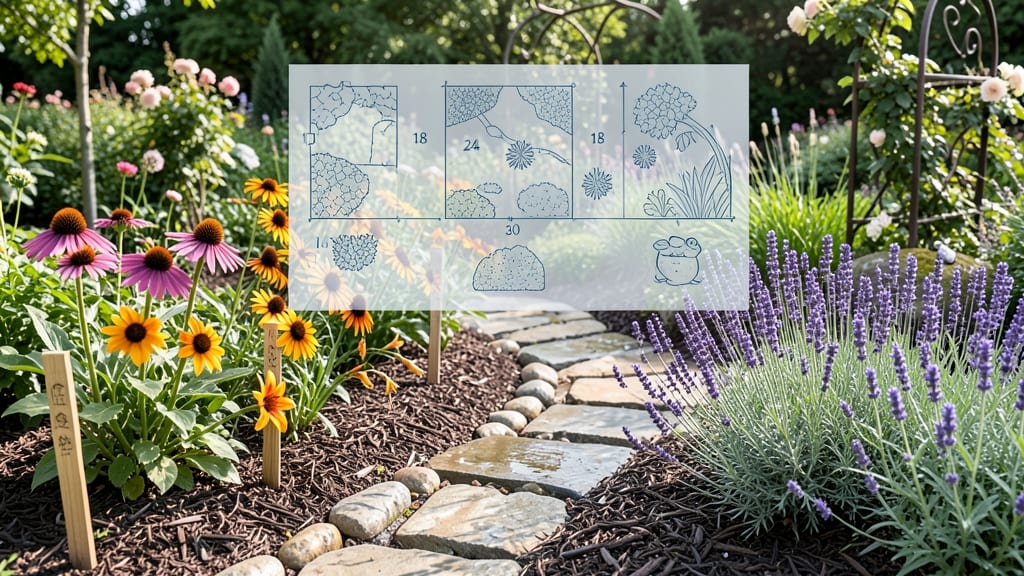
Creating flower garden design plans for small spaces requires strategic layering of plants by height, seasonal color coordination, and vertical elements to make the most of limited square footage. Begin with a bold focal point, then build upward with cascading annuals, mid-height perennials, and towering ornamental grasses for continuous visual interest.
Small-space gardens thrive when they use every inch vertically and horizontally. 🌿 The key is creating visual depth through three-dimensional planting—think of it like a living painting where each layer tells its own story.
I've seen even 4'x4' plots transformed by using window boxes for trailing flowers, trellises for climbing vines, and hanging baskets to draw eyes upward. Seasonal rotation is another game-changer: swap out spring bulbs for fall mums and winter pansies to keep color cycling without overcrowding.
For maximum impact, I recommend starting with a single statement plant—like a vibrant kniphofia or hydrangea—as your anchor. Then work outward with plants that echo its color palette in different shades (try salvia and heuchera for textural contrast).
The magic happens when you repeat key plants every 2-3 feet—this creates rhythm while making the space feel intentional rather than random. Even in tight corners, a vertical garden panel can add 12+ inches of growing space without sacrificing floor area.
💡 In This Article
- Key Principles for Small-Space Flower Garden Layouts
- 15 Space-Saving Flower Garden Layout Ideas for All Climates
Key principles for small-space flower garden layouts
The foundation of any successful small-space garden lies in understanding plant height gradients, which create the illusion of depth. Start with a focal point plant—like a 9-inch-tall peony or 12-inch daylily—that anchors the design at eye level (typically 3-4 feet from the ground).
Then build upward with mid-height perennials (18-30 inches) such as black-eyed Susans or cone flowers, followed by tall grasses (3-5 feet) like feather reed grass for vertical drama. This tiered approach makes a 4'x4' space feel like a lush, expansive meadow.
Color theory plays a crucial role in small gardens where every plant must earn its space.
I recommend using the 60-30-10 rule for color distribution: 60% of your palette should be a dominant hue (like soft pink geraniums), 30% a complementary shade (deep purple salvia), and 10% a bold accent (yellow black-eyed Susans). This creates harmony while preventing visual clutter.
For contrast, pair textured foliage (like heuchera with its velvety leaves) with spiky blooms (such as yarrow) to add visual interest without requiring extra square footage. 🌸
Seasonal bloom cycles are the secret to year-round color in tight spaces. Design each layer to have overlapping bloom times: plant spring bulbs (like tulips) in front of summer perennials (such as coreopsis), which will then transition into fall mums and winter pansies.
This rotating color wheel ensures no season feels bare. For example, a 6-inch dwarf iris might bloom in early spring, while a 24-inch Russian sage behind it takes over in late summer with its lavender-blue spikes. The result? A garden that feels alive and intentional throughout the year.
Vertical elements are your best friend in small spaces, offering 30-50% more growing area without expanding your footprint. Install wall-mounted planters (12-18 inches deep) for trailing petunias or fuchsias, or add a 3-foot trellis for climbing clematis or morning glories.
Even a simple wire cage filled with spiller plants like lobelia can add 18 inches of cascading color. The key is to position vertical elements where they'll catch the eye—near seating areas or entryways—to maximize their impact.
Repetition creates rhythm and cohesion in small gardens. Repeat your top 2-3 plants every 2-3 feet to establish a visual beat. For instance, if you use purple fountain grass as a tall element, place it in three locations throughout the space.
This technique makes the garden feel intentional and balanced, even when working with limited plant varieties. Just avoid overcrowding—maintain 12-18 inches of space between mature plants to allow airflow and prevent disease. 🌿
Finally, consider the golden ratio (approximately 1.618) when arranging plants. Place your focal point slightly off-center (about 1/3 of the way from one side) to create natural visual interest. For example, in a 3-foot-wide border, position your anchor plant 1 foot from the left edge.
This subtle shift makes the design feel dynamic rather than static. Pair this with asymmetrical placement of mid-height plants (like catmint) to add movement without sacrificing cohesion.