
Fertilization
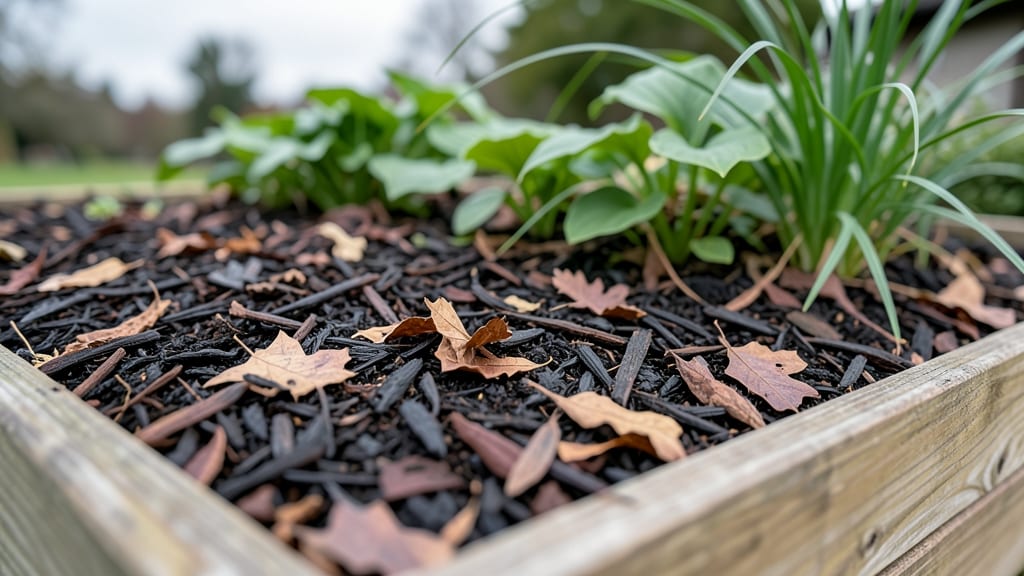
Using mulched leaves in garden transforms your yard by naturally fertilizing soil, blocking weeds, and conserving moisture—all while protecting plants from erosion. For best results, apply 2-4 inches of shredded, dry leaves annually.
Leaf mulch works like nature's slow-release fertilizer. As leaves decompose, they feed soil microbes that break down organic matter into essential nutrients like potassium and phosphorus, improving plant vigor over time. 🌱 The carbon-rich leaves also enhance soil structure, helping it retain moisture better than synthetic fertilizers.
I've seen gardens where mulched leaves kept weeds at bay for months while keeping soil cool—ideal for heat-sensitive plants.
For best results, focus on leaf quality and timing. Shredded leaves decompose faster than whole leaves, so they work better for quick nutrient release. Apply them in early spring before weeds sprout or in fall to protect soil over winter.
Avoid piling leaves too thickly—more than 4 inches can suffocate plants by blocking air and water. Wet leaves should never be used, as they mat down and create a breeding ground for mold.
💡 In This Article
- How Leaf Mulch Improves Soil Health Over Time
- Best Practices for Applying Leaf Mulch in Gardens
How leaf mulch improves soil health over time
The magic of leaf mulch begins with microbial activation. When you spread shredded leaves, they create a perfect habitat for beneficial soil microbes like bacteria and fungi.
These microorganisms break down the cellulose and lignin in leaves, transforming them into humus—a dark, nutrient-rich substance that improves soil structure. 🔥 The process starts within weeks, with the most active decomposition happening in the first 3-6 months when conditions are moist and warm.
Leaf mulch delivers nutrients gradually, unlike synthetic fertilizers that provide an immediate but often short-lived boost. A 3-inch layer of shredded leaves can release 1-2 pounds of potassium per 100 square feet over a growing season, along with phosphorus and micronutrients like calcium and magnesium.
This slow release prevents nutrient spikes that can burn plant roots. For comparison, a typical 10-10-10 synthetic fertilizer delivers all nutrients at once, requiring more frequent applications and risking runoff.
The carbon-to-nitrogen ratio in leaves is crucial—most deciduous leaves have a 40:1 to 80:1 ratio, which is ideal for building soil organic matter. This ratio supports microbial activity without causing nitrogen depletion, unlike "hot" compost materials like grass clippings.
Over time, this organic matter improves soil aeration by creating stable aggregates, while also increasing water retention by up to 30% compared to bare soil. 💫
One often-overlooked benefit is the mulch's insulating effect. During summer, it keeps soil temperatures 5-10°F cooler than exposed soil, protecting roots from heat stress. In winter, it acts as a protective blanket, preventing freeze-thaw cycles that damage soil structure.
This insulation also preserves soil moisture—mulched areas can retain 25-50% more water than unmulched beds, reducing irrigation needs by up to 30%.
For long-term benefits, aim to maintain a 2-3 inch layer of mulch throughout the growing season. This thickness balances decomposition rate with weed suppression while preventing soil compaction.
Unlike synthetic fertilizers that lose effectiveness after application, leaf mulch continues improving soil health for years, building fertility and structure with each new layer. 🌱
The key difference from synthetic fertilizers becomes clear when you consider the soil ecosystem. Leaf mulch doesn't just feed plants—it feeds the entire soil food web, creating a self-sustaining cycle that improves with each season.
This holistic approach explains why gardens using leaf mulch often show better long-term plant health and resilience against pests and diseases.