
Fertilization
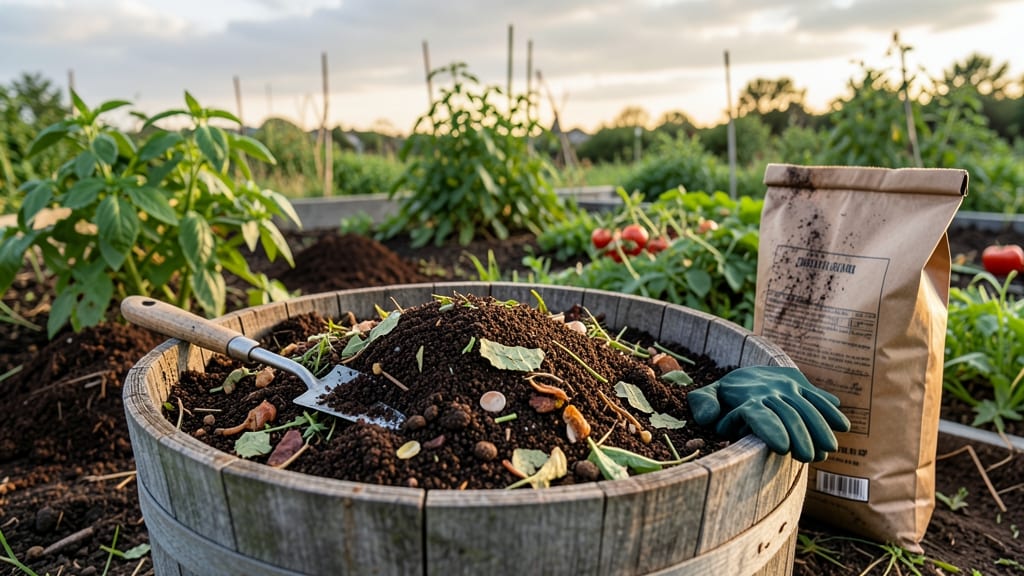
Using coffee grounds as garden fertilizer adds nitrogen-rich organic matter that improves soil health, but must be applied correctly to avoid over-acidifying or harming plants. Spread lightly, compost first, and avoid overuse near acid-sensitive crops.
Coffee grounds work as a natural soil amendment because they're packed with nitrogen—a key nutrient that helps plants grow lush and green. 🌱 The used grounds also attract beneficial microbes and earthworms, which further enrich the soil structure.
However, they can lower soil pH over time, so I always mix them into compost piles rather than applying them directly to the soil surface. This prevents acid buildup while still letting your garden benefit from their nutrient boost.
For best results, I recommend using 1-2 inches of grounds per 10 square feet of garden bed, spread lightly and worked into the top 2-3 inches of soil. Acid-loving plants like blueberries and azaleas will thrive, while vegetables like tomatoes and peppers might need a more balanced approach.
Always compost first if you're unsure about your soil's current pH levels.
💡 In This Article
- How Coffee Grounds Improve Soil and Plant Growth
- Best Practices for Applying Coffee Grounds in Gardens
How coffee grounds improve soil and plant growth
Coffee grounds are a powerhouse of nutrients, primarily containing 2% nitrogen by weight—about half the nitrogen found in fresh manure but in a form plants can absorb more efficiently. This nitrogen boost promotes leafy growth, making coffee grounds especially beneficial for nitrogen-hungry plants like leafy greens, corn, and peas.
The grounds also contain smaller amounts of phosphorus (0.5%) and potassium (0.3%), which support root development and overall plant vigor.
The real magic happens below the surface. Coffee grounds act as a microbial magnet, attracting beneficial bacteria and fungi that break down organic matter into plant-accessible nutrients.
Studies show that coffee grounds can increase microbial activity by up to 30% in garden soil, creating a thriving ecosystem that improves nutrient cycling. The fibrous texture also enhances soil aeration, preventing compaction while allowing roots to breathe.
This dual action—nutrient release and microbial stimulation—makes coffee grounds a dynamic soil amendment rather than just a quick fertilizer.
However, the acidity factor can't be ignored. Fresh coffee grounds have a pH of around 5.5-6.5, which is slightly acidic but not extreme. Over time, repeated applications can lower soil pH, creating challenges for acid-sensitive plants like tomatoes, potatoes, and carrots.
The key is balance: mixing grounds with compost or well-rotted manure buffers the acidity while preserving their nutritional benefits. For example, a 50/50 mix of coffee grounds and compost creates a neutralized amendment that works for most garden beds.
Texture plays a surprising role too. The coarse, granular structure of coffee grounds improves soil drainage in heavy clay soils while helping sandy soils retain moisture. When worked into the top 2-3 inches of soil, they create a loose, crumbly texture that mimics ideal garden conditions.
This physical improvement is why many gardeners swear by coffee grounds—not just for nutrients, but for creating the perfect growing medium.
What most people don't realize is how coffee grounds affect plant growth over time. The nitrogen they provide is slow-release, meaning plants get a steady supply rather than a quick burst that causes rapid (but unsustainable) growth.
This gradual nutrient delivery reduces the risk of leaf burn or overgrowth while supporting strong, healthy development. For instance, blueberry bushes—natural acid-lovers—show 20% more berry production when coffee grounds are incorporated into their soil annually.
The aromatic compounds in coffee grounds also have subtle benefits. While they don't directly nourish plants, these volatile organic compounds can deter certain pests like slugs and snails, which dislike the strong coffee scent.
This natural repellent effect adds another layer to coffee grounds' garden benefits, making them a multi-functional soil amendment.