
Planting
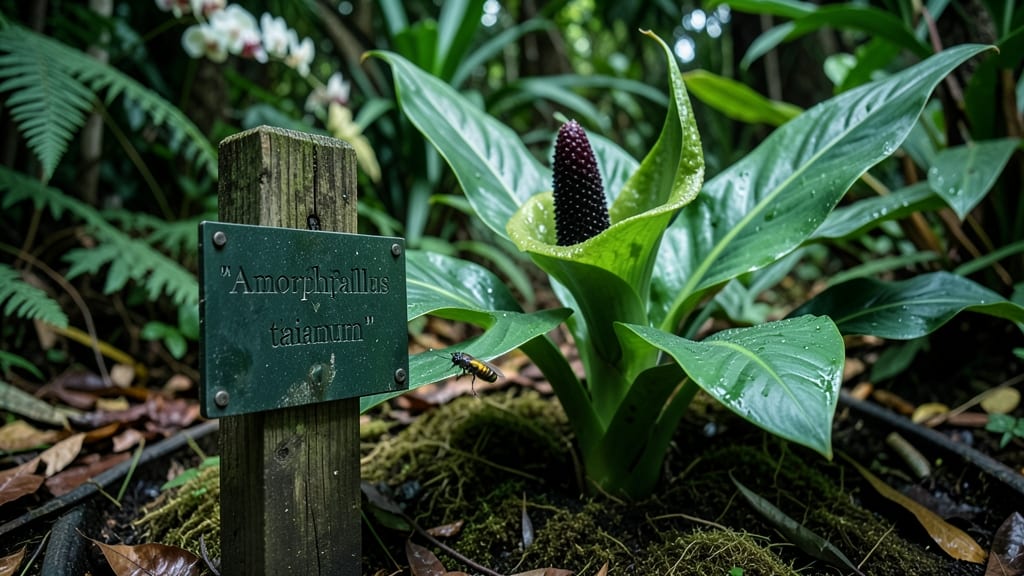
A smelly plant in botanical gardens typically reveals evolutionary adaptations—whether it's luring pollinators with sweet or rotten scents, warning predators of toxicity, or signaling medicinal properties. These odors often mask survival strategies like attracting flies to mimic decay or producing floral aromas to draw bees.
What makes these plants fascinating is how their smells serve double duty: some act as chemical defenses, while others create partnerships with insects or animals. 🌿 For example, the skunk cabbage emits a foul odor to deter herbivores, yet its heat-generating flowers attract pollinators.
Meanwhile, carrion flowers like Rafflesia mimic rotting meat to lure flies for pollination. These adaptations aren't random—they're finely tuned survival mechanisms that botanists study to understand plant communication in nature.
Beyond their ecological roles, these plants often hold cultural significance. Many have been used historically for medicinal purposes, like the dragon arum, whose stench wards off pests while its roots were traditionally used in folk remedies.
The key takeaway? That "smell" isn't just a side effect—it's a language plants use to thrive in their ecosystems.
💡 In This Article
- How Smell Shapes Plant Survival and Pollination
- Identifying Common Smelly Botanical Garden Plants
How smell shapes plant survival and pollination
At the heart of these pungent plants lies a complex chemistry of volatile organic compounds (VOCs). Take thiols, for instance—sulfur-containing molecules that create the rotten egg smell in Skunk cabbage (Symplocarpus foetidus). These compounds aren't accidental; they're evolution's way of broadcasting danger.
Studies show thiols can repel up to 90% of herbivores while still attracting flies for pollination—a brilliant two-step strategy. The plant's heat-generating flowers (85-100°F) further amplify the scent's reach, creating a thermal plume that carries odors up to 10 feet away in still air.
Some plants take mimicry to extreme levels. The corpse flower (Rafflesia arnoldii) produces a scent so foul—comparable to rotting meat—that it triggers the same neural responses in flies as actual carrion.
Chemical analysis reveals its odor contains benzaldehyde (almond-like) and cadaverine (a decay compound), tricking insects into treating it as a food source. This isn't just clever; it's a 150-million-year-old adaptation perfected through natural selection.
The plant's 3-foot-wide blooms become temporary fly hotels, where pollination occurs before the scent fades in 3-5 days.
Floral scents work differently, using terpenes like limonene (citrus) or linalool (lavender) to attract bees and butterflies. The dragon arum (Dracunculus vulgaris) combines both strategies: its skunk-like odor deters mammals, while its purple-spotted spathe mimics a flower to lure pollinators.
What's remarkable is how these scents are temperature-sensitive. Many plants only release their most potent aromas during late afternoon, when pollinators are most active and temperatures peak at 75-85°F.
Defense mechanisms go beyond smell. The stinking hellebore (Helleborus foetidus) contains protoanemonin, a compound that causes blistering in mammals—yet its musk-like scent attracts specific beetles that pollinate it without harm.
This chemical specificity shows how plants have evolved to target particular predators while still enabling reproduction. The scent isn't just a warning; it's a precision tool in the plant's survival arsenal.
Even toxicity plays a role. The deadly nightshade (Atropa belladonna) emits a faint sweet, musky odor that masks its poisonous alkaloids (like atropine), making it less obvious to herbivores. Yet this same scent can attract honeybees, which inadvertently spread its pollen.
The plant's dark purple berries further confuse predators by mimicking edible fruits, creating a multi-layered defense system where smell is just one piece of the puzzle.
What most people don't realize is how these smells are context-dependent. A plant might emit one scent to attract pollinators by day and a completely different odor to repel pests at night.
The cabbage white butterfly, for example, is deterred by mustard oil compounds in cabbage leaves—but these same compounds attract beneficial wasps that prey on butterfly larvae. It's a chemical dialogue where every whiff carries specific information.
The takeaway? That "smell" isn't just a side effect—it's a highly specialized communication system that plants have refined over millennia. Whether it's the rotten onion stench of Allium ursinum or the vanilla-like allure of Vanilla planifolia, every odor serves a purpose in the plant's survival strategy. 🌱