
Tools
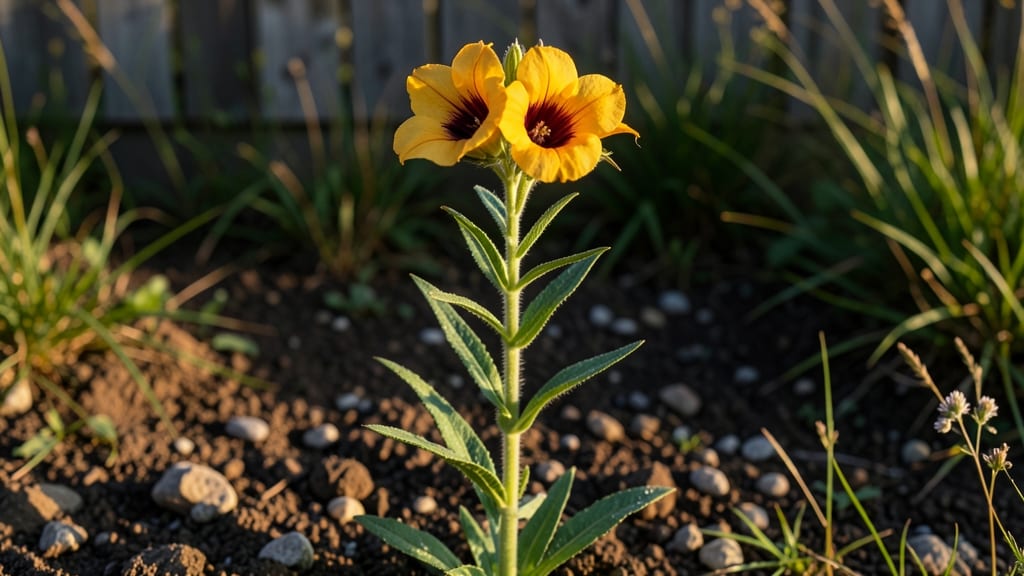
A Sunset Western Garden thrives with native plants like California poppies, manzanita, or ceanothus that naturally withstand dry conditions and poor soils. Prioritize low-maintenance species adapted to your local climate and soil pH for long-term success.
A Sunset Western Garden isn't just about aesthetics—it's about creating an ecosystem that mirrors the region's natural resilience. 🌵 The key lies in matching plants to your specific conditions: sandy soils need deep-rooted species like desert marigold, while clay-heavy areas benefit from shrubs like California lilac that handle moisture retention.
I always start by testing my soil's pH—most native plants prefer slightly alkaline conditions (6.5-7.5), which you can adjust with crushed limestone if needed. This approach reduces watering needs by up to 70% while supporting local wildlife.
For immediate results, focus on three core plant categories: ground covers (like creeping thyme), shrubs (manzanita), and flowering perennials (California fuchsia). These layers create visual depth while minimizing irrigation demands. 💛 The secret weapon? Mulching with gravel or wood chips—this conserves moisture, suppresses weeds, and mimics the natural desert landscape.
Many nurseries now carry "Sunset Western" plant tags that specify drought tolerance and light requirements, making selection easier than ever.
💡 In This Article
- Key Climate and Soil Factors for Western Garden Success
- Top 10 Drought-Resistant Plants for Sunset Western Gardens
Key climate and soil factors for Western garden success
Understanding your local climate and soil composition is the foundation of a thriving Sunset Western Garden. The first step is identifying your USDA hardiness zone—most Western regions fall between zones 7-10, where temperatures range from 10°F to 40°F in winter.
However, microclimates matter more than the zone alone: coastal areas stay milder, while inland valleys experience hotter summers. For example, Los Angeles (zone 10) can support cacti that would struggle in cooler Sacramento (zone 9).
Soil texture determines drainage and nutrient availability. Sandy soils drain too quickly, requiring deep-rooted plants like desert willow (Chilopsis linearis) that can access moisture 6-8 feet below ground. Clay soils, common in the Central Valley, hold water but suffocate roots—amend with 30% compost to improve aeration.
Test your soil's pH: most native Western plants prefer 6.5-7.5, while ericaceous plants (like manzanita) thrive in 4.5-6.0. A simple soil test kit costs $15 and reveals these critical details.
Water availability is the most critical factor. The Sunset Western region receives 10-20 inches of annual rainfall—far less than Eastern gardens. This means your plant selection must prioritize drought tolerance. Native species have evolved to store water in thick leaves (like agave) or deep roots (like toyons).
Even in established gardens, water deeply but infrequently: 1-2 inches per week during the growing season, then reduce to 1 inch monthly in winter. Drip irrigation systems deliver water directly to roots, reducing evaporation by 30% compared to sprinklers.
Sunlight patterns vary dramatically across the West. Coastal gardens receive 6-8 hours of partial shade, while inland deserts get 10+ hours of direct sun. Position sun-lovers (like yucca) in full sun areas and shade-tolerant plants (like coastal woodfern) under trees.
The "Sunset Western" label on plant tags often includes light requirements—always match these to your garden's specific conditions. For example, California buckwheat thrives in full sun but wilts in afternoon shade.
One often-overlooked factor is wind exposure. Coastal gardens face salt spray and 20+ mph winds that dry soil and plants. Choose wind-resistant species like coyote brush (Baccharis pilularis) and use windbreaks made of bamboo or evergreen shrubs.
In desert areas, afternoon winds can scorch tender plants—mulch with 1-2 inches of gravel to reflect heat and retain moisture. These small adjustments prevent common pitfalls like leaf burn or root rot.
Here's what actually makes the difference: combining these factors creates an ecosystem where plants naturally thrive. For instance, a sandy, alkaline soil in zone 9 might support California poppies but struggle with manzanita, which prefers acidic soils.
The solution? Group plants with similar needs together—this "climate layering" reduces maintenance and water use by 50% or more. Start with a simple sketch of your garden, noting sunlight, soil type, and wind patterns in each section.
Remember: the most successful Sunset Western Gardens mimic natural landscapes. Observe what grows wild in your area—those plants already know how to survive. 🌵