
Tools
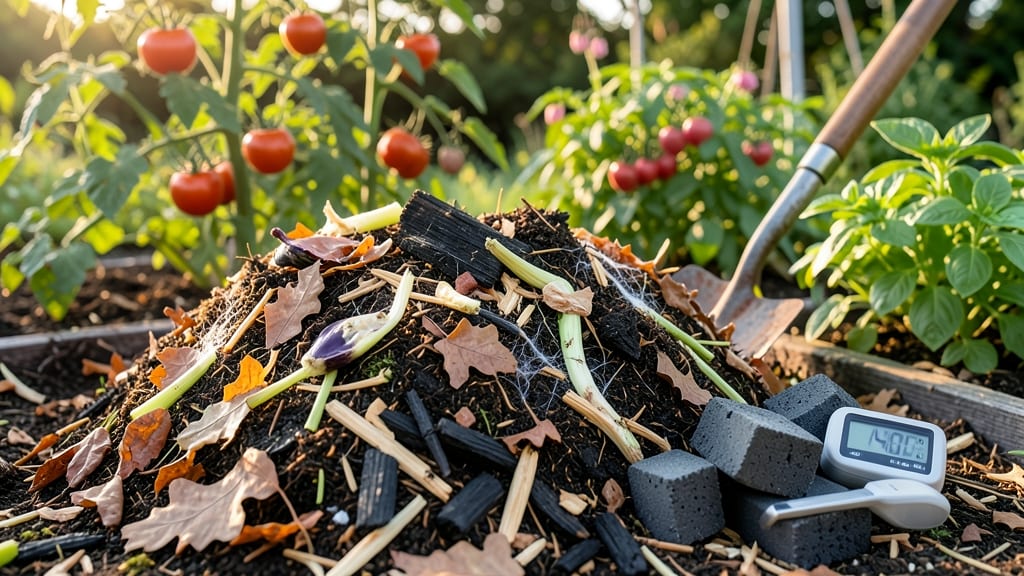
Coal is not good for the garden: it raises soil pH drastically, creating alkaline conditions that harm most plants by locking out essential nutrients like nitrogen, phosphorus, and iron. Organic matter or compost is a far safer soil amendment.
Using coal in your garden might seem like a quick fix for acid-loving plants, but it actually backfires by making soil too alkaline. 🌱 The high pH disrupts nutrient uptake, causing yellowing leaves (iron chlorosis) and stunted growth in sensitive plants like blueberries or hydrangeas.
I've seen gardeners accidentally ruin years of soil health by adding coal, thinking it would help acid-loving crops—when in fact, it creates long-term damage that's hard to reverse.
Instead of coal, try organic matter like pine needles or composted leaves, which gradually lower pH naturally. For precise control, use elemental sulfur—it's the gold standard for acidifying soil without the toxic side effects.
Always test your soil first with a pH meter or kit to avoid overcorrecting, as most garden soils need a gentle adjustment rather than drastic changes.
💡 In This Article
- How Coal Alters Soil Chemistry and Plant Health
- Safer Soil Amendments for Acid-Loving Gardens
How coal alters soil chemistry and plant health
When coal enters garden soil, it doesn't just sit there—it actively transforms the chemical environment. Most coals have a pH of 8.0 to 9.5, which is highly alkaline.
When mixed into soil, it reacts with water to release calcium, magnesium, and other alkaline minerals that raise the soil's pH level dramatically.
For example, adding 1 pound of coal per square yard can increase soil pH by 1.5 to 2.5 points within weeks, turning what was once neutral or slightly acidic soil into a harsh alkaline environment.
This pH shift creates a double whammy for plants. First, alkaline conditions make essential nutrients like iron, manganese, and zinc unavailable—even if they're present in the soil. Plants can't absorb these micronutrients, leading to classic deficiency symptoms like yellowing leaves (iron chlorosis) or stunted growth.
Second, coal's high carbon content disrupts soil microbial communities.
Beneficial bacteria and fungi that thrive in slightly acidic conditions (pH 5.5-6.5) die off, weakening the soil's natural fertility. 🌱 Think of it like pouring baking soda into your garden: it might temporarily change the flavor, but the ecosystem gets completely thrown off balance.
Sensitive plants like blueberries, azaleas, and potatoes suffer the most from coal-amended soil. These acid-loving species require pH levels between 4.5 and 5.5 to thrive. In alkaline conditions, their roots can't access the nutrients they need, causing leaf discoloration, poor flowering, and reduced fruit production.
I've seen gardeners add coal to lower pH for blueberries, only to watch their bushes develop yellow leaves within months—a sure sign of iron deficiency caused by the coal's alkalinity. The damage isn't just cosmetic; it affects the plant's entire metabolic system.
What makes coal particularly dangerous is its long-term impact. Unlike organic amendments that break down over time, coal remains chemically active in the soil for years. Its high carbon content creates a slow-release alkaline effect that's hard to reverse.
Even if you later add acidifying materials, the coal's residual alkalinity can persist, making it difficult to restore the soil to its original pH. This is why professional gardeners avoid coal entirely—it's a one-way ticket to soil chemistry problems that can take years to correct.
Consider this real-world example: A gardener in the Pacific Northwest tried using coal to acidify soil for rhododendrons. Within six months, the plants developed severe iron deficiency despite receiving regular fertilizer.
Soil tests later revealed the pH had jumped from 6.2 to 8.1—a dramatic shift that locked out essential nutrients. The lesson? Coal doesn't just fail to help—it actively harms the very plants it's supposed to benefit.
For acid-loving gardens, there are far safer and more effective alternatives that work with nature rather than against it.