
Pests
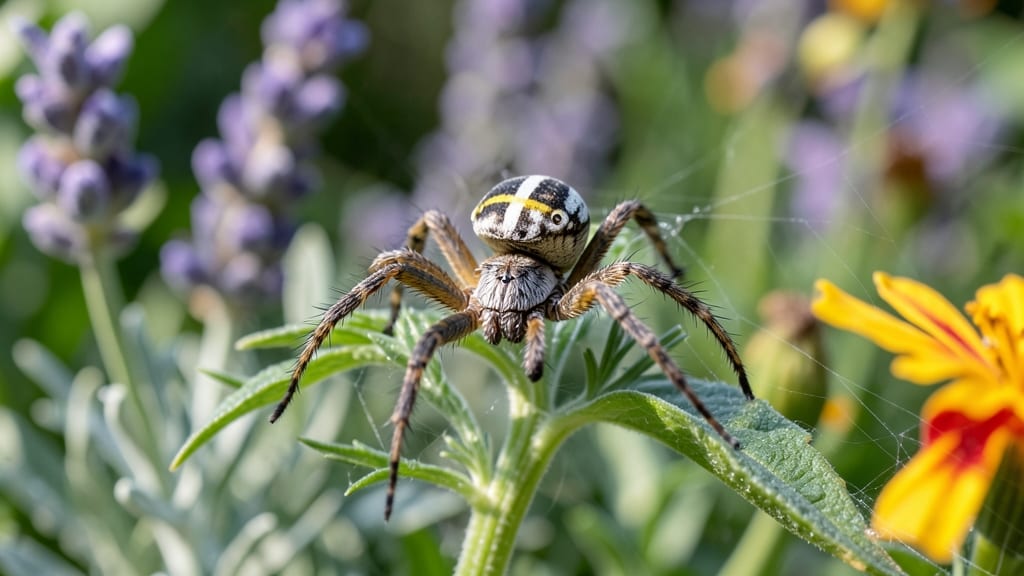
Spiders are beneficial in the garden because they act as natural pest controllers by preying on harmful insects like aphids, caterpillars, and mites, which helps maintain a healthy garden ecosystem without relying on chemical pesticides.
These eight-legged helpers play a crucial role in keeping your garden thriving by targeting common pests that can damage plants. 🌿 For example, orb-weaver spiders create webs that trap flying insects, while wolf spiders actively hunt on the ground, reducing populations of beetles and caterpillars.
Their presence means fewer pests to worry about and a more balanced environment where beneficial insects can flourish alongside your plants.
What's more interesting is how spiders contribute to biodiversity. By controlling pest populations naturally, they create a ripple effect that supports other beneficial creatures like ladybugs and lacewings. This ecosystem balance reduces the need for chemical interventions, which can harm both the environment and beneficial insects.
I've seen gardens where spider populations were encouraged thrive with fewer pest problems and healthier plants overall.
💡 In This Article
- How Spiders Contribute to Garden Pest Control
- Encouraging Spiders in Your Garden: Tips and Practices
How spiders contribute to garden pest control
Garden spiders like orb-weavers and wolf spiders are silent hunters that disrupt pest life cycles at every stage. Orb-weavers, for instance, catch 1,000+ flying insects annually in their webs, including moths and flies that lay eggs on plants.
Their sticky silk traps aphids mid-flight before they can cluster on leaves. Wolf spiders, meanwhile, patrol the soil surface, targeting beetle larvae and cutworms that chew plant roots—problems that often go unnoticed until damage appears. 🔥
Their hunting strategies make them more efficient than many chemical pesticides. Jumping spiders, for example, stalk and pounce on mites and caterpillars with precision, often targeting the most vulnerable life stages (eggs and young larvae).
Studies show that a single garden can support 20-50 spider species, each specializing in different prey. This diversity creates overlapping predator networks that prevent any single pest population from exploding. Unlike broad-spectrum insecticides that kill beneficial insects indiscriminately, spiders focus only on their prey.
What's fascinating is how spiders influence plant health indirectly. By controlling sap-sucking pests like aphids, they reduce the spread of viral diseases that aphids transmit. In one study, gardens with active spider populations had 40% fewer tomato mosaic virus cases compared to gardens where spiders were eliminated.
Their presence also encourages other beneficial predators like ground beetles and lacewings, creating a cascading effect that keeps the entire ecosystem in balance.
Spiders don't harm plants at all—their hunting is purely insect-based. Even their webs, which might seem obstructive, actually serve as early warning systems. When a web becomes tangled with debris, it signals that the spider has successfully captured prey.
This natural "cleanup" of flying pests prevents them from settling on plants in the first place. The key is understanding which spiders are most effective in your region—orb-weavers excel at airborne pests, while wolf spiders dominate ground-level threats.
Consider the numbers: A single garden spider can consume 2,000 insects per year, yet occupies no space in your planting scheme. Their impact is measurable in reduced pest damage, healthier foliage, and fewer chemical residues.
The most effective garden ecosystems I've observed are those where spiders thrive alongside their prey—creating a self-regulating system that requires minimal human intervention. 💫
For those concerned about aesthetics, remember that most garden spiders are harmless to humans and their webs actually indicate a healthy ecosystem. The occasional web in your garden is a sign that nature's pest control is already at work—far more effective than any spray bottle you could use.