
Propagation
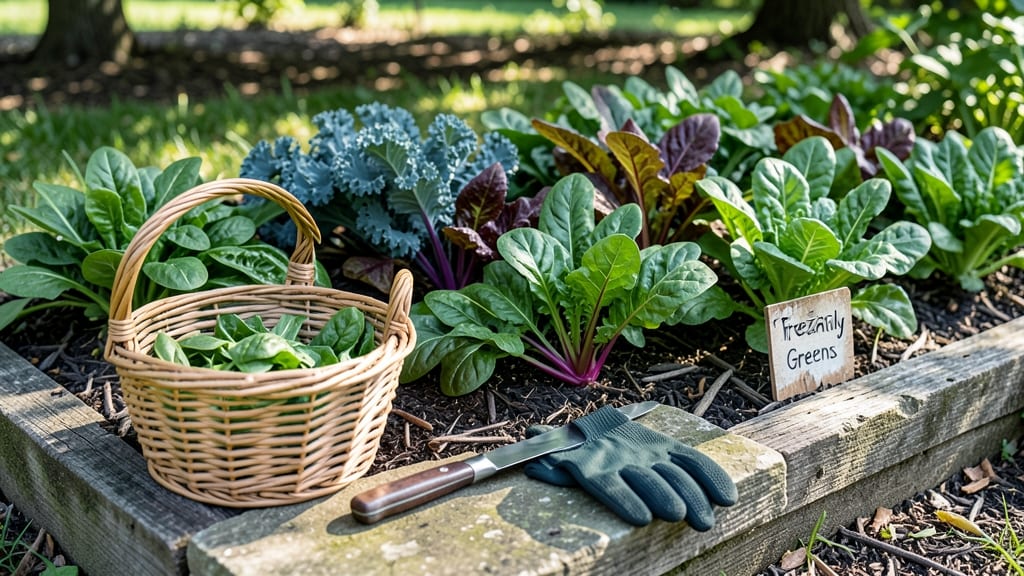
You can freeze straight-from-the-garden greens like kale, collard greens, Swiss chard, and spinach—blanching first preserves texture and nutrients, while herbs like cilantro and parsley freeze well without blanching for later use in soups or seasonings.
Freezing garden greens is a fantastic way to extend their shelf life and preserve their nutritional benefits.
The key lies in selecting the right varieties and preparing them properly. 💫 Kale, collard greens, and Swiss chard are among the best choices because their sturdy leaves hold up well to freezing, maintaining their vibrant color and crisp texture when blanched.
Herbs like cilantro and parsley, on the other hand, can be frozen raw to retain their aromatic oils, making them perfect for adding fresh flavor to dishes later on.
Blanching—dipping greens in boiling water for a short time before plunging them into ice water—stops enzyme activity that causes spoilage, ensuring your greens stay fresh-tasting for months. For herbs, simply chop them finely and freeze in ice cube trays with water or olive oil for easy portioning.
This method keeps their flavor intact, so you can enjoy garden-fresh taste even in winter.
💡 In This Article
- Best Garden Greens for Freezing and Why
- Step-by-Step Freezing Prep for Garden Greens
Best garden greens for freezing and why
The science behind freezing garden greens revolves around preserving their cellular structure and halting enzymatic breakdown. Leafy greens like kale and collard greens contain high levels of vitamin C and antioxidants, but these compounds degrade when enzymes like peroxidase and lipoxygenase remain active.
Blanching at 212°F for 1-3 minutes deactivates these enzymes, locking in nutrients and color. Kale, for example, maintains its deep green hue and crisp texture better than delicate greens like lettuce, which become mushy when frozen. 🔥
Texture plays a critical role in selection—greens with thick, fibrous leaves (Swiss chard, collards) freeze better than thin, watery ones (spinach). Spinach is an exception because its high moisture content (91%) makes it prone to oxidation, but blanching for just 30 seconds helps retain its vibrant green color.
Herbs like cilantro and parsley, however, freeze best raw because their delicate structures break down with heat. The aromatic oils in these herbs remain intact when frozen, preserving their flavor for months.
Color preservation is another key factor. Chlorophyll, the pigment responsible for greens' vibrant hues, degrades when exposed to oxygen and light. Blanching stabilizes chlorophyll by removing excess air from leaf surfaces, while vacuum-sealing or using airtight containers further extends shelf life.
For instance, frozen kale retains 85-90% of its vitamin C after 6 months of storage, compared to just 50% in unfrozen greens after the same time.
Moisture content also influences freezing success. Greens with 85-90% water (like spinach) require careful drying before freezing to prevent ice crystals from forming. Patting leaves dry with a towel removes surface moisture, while a quick spin in a salad spinner ensures even drying.
Herbs, on the other hand, should be frozen with minimal moisture—excess water causes clumping and flavor dilution when thawed.
Consider these key factors when choosing greens for freezing:
- Leaf thickness: Thicker leaves (kale, collards) handle freezing better than thin ones (spinach, arugula)
- Moisture content: Lower moisture = better texture retention (Swiss chard < spinach)
- Nutrient density: Vitamin C and antioxidants degrade faster in unfrozen greens
- Flavor profile: Herbs like cilantro lose potency when blanched, so freeze raw
For example, freezing Swiss chard with its stems intact preserves both texture and nutrients, while chopping parsley finely before freezing makes it easier to use in cooking later. The right prep ensures your garden harvest stays fresh-tasting all winter long. ✨