
Tools
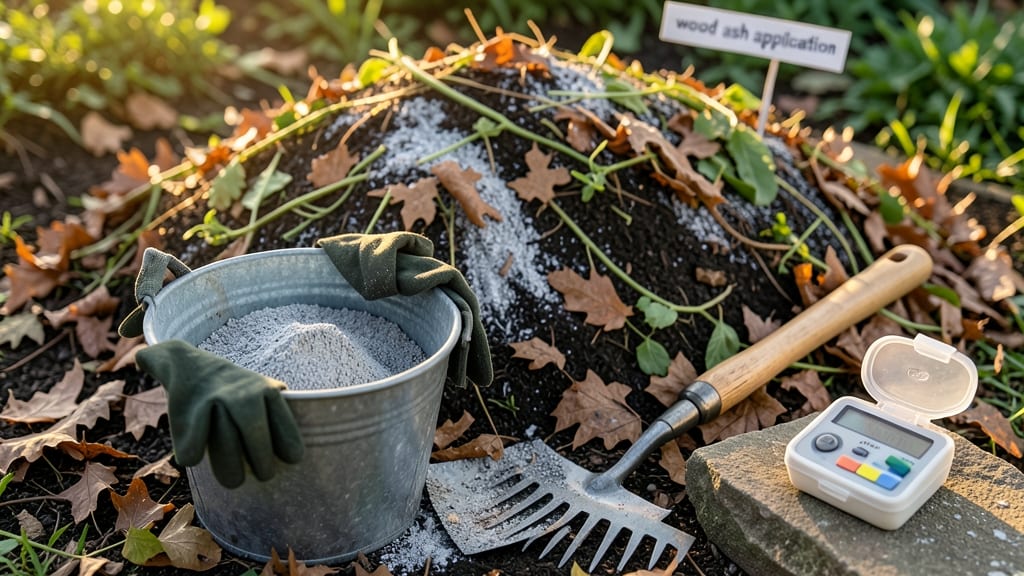
Using wood ashes in your garden can significantly boost soil pH, add essential minerals like potassium and calcium, and improve nutrient access for vegetables such as tomatoes and peppers. Use carefully—just 1 to 2 pounds per 100 square feet—to prevent over-alkalizing soil or damaging acid-loving plants.
Wood ashes act like a natural soil amendment by neutralizing acidity and enriching the mineral content. 🌱 The potassium and calcium released help strengthen plant cell walls and improve flowering/fruiting, but too much can create a harsh environment for acid-loving crops like blueberries or azaleas.
I always recommend testing your soil's pH first—aim for a reading between 6.0 and 7.0 before applying, as most garden soils benefit from a slight alkalinity lift rather than drastic changes.
For best results, sprinkle ashes lightly around the base of plants in early spring or after harvest, keeping them at least 6 inches away from stems to prevent chemical burns.
Mixing a small amount into compost piles can also enhance decomposition, but avoid using treated wood ashes—they may contain harmful chemicals. Always store ashes in a sealed container to prevent leaching during rain.
💡 In This Article
- How Wood Ashes Affect Soil Chemistry and Plant Growth
- Safe Application Methods for Wood Ashes in Gardens
How wood ashes affect soil chemistry and plant growth
Wood ashes work their magic primarily through two key chemical processes: they raise soil pH by neutralizing acidity and release essential minerals that plants crave.
When burned wood cools and turns to ash, it becomes rich in potassium oxide (K₂O) and calcium oxide (CaO), both of which dissolve in soil moisture.
For every 1 pound of hardwood ash applied, you're adding roughly 0.5 pounds of potassium and 0.2 pounds of calcium—minerals that improve plant vigor and disease resistance.
The pH adjustment happens because these alkaline compounds react with acidic hydrogen ions in the soil, effectively "locking them up" and raising the pH level.
The potassium released from ashes plays a crucial role in plant metabolism, particularly in energy transfer and water regulation within cells. This is why vegetables like tomatoes and peppers—both heavy potassium users—show dramatic improvements in fruit production when ashes are applied.
Calcium, meanwhile, strengthens cell walls, reducing the risk of blossom-end rot in tomatoes. However, this mineral boost comes with a caveat: the high pH shift can create a toxic environment for plants adapted to acidic soils, like blueberries or hydrangeas, which prefer pH levels between 4.5 and 5.5. 🌿
Beyond these immediate chemical effects, wood ashes have long-term structural benefits for garden soil. The fine, gritty texture improves soil aeration and drainage, especially in heavy clay soils where compaction is an issue. Over time, the mineral content also stimulates beneficial microbial activity, breaking down organic matter more efficiently.
Think of it as giving your soil's ecosystem a nutrient-rich fertilizer that works both above and below ground. The key is balance—too much ash can create a harsh, sterile environment where only the most alkaline-tolerant plants thrive.
What most gardeners don't realize is how quickly these effects manifest. Within just 2-4 weeks of application, you'll typically see improved leaf color and plant growth as the potassium becomes available.
The pH adjustment, however, is more gradual—it can take several months for the full effect to stabilize, especially in clay-heavy soils. This delayed action is why timing matters: applying ashes in early spring gives plants the entire growing season to benefit from the gradual mineral release.
Consider this comparison: A 100-square-foot garden bed with medium-textured soil might need about 1.5 pounds of wood ash to raise the pH from 6.0 to 6.5. That same amount would provide roughly 0.75 pounds of potassium—enough to support a robust tomato plant's needs for an entire season.
The visual difference is striking: plants in amended soil often develop deeper green foliage and produce larger, more vibrant fruits within just a few weeks of application.
For those with acidic soils, the transformation can be dramatic. A soil pH that starts at 5.5 might jump to 6.8 after a single application, creating an ideal environment for vegetables like cabbage, broccoli, and carrots. The catch?
This same pH shift would be catastrophic for acid-loving plants, which is why knowing your soil's starting pH is absolutely critical before applying any wood ash. Always test first—it's the difference between a thriving garden and a failed experiment. ✨