
Tools
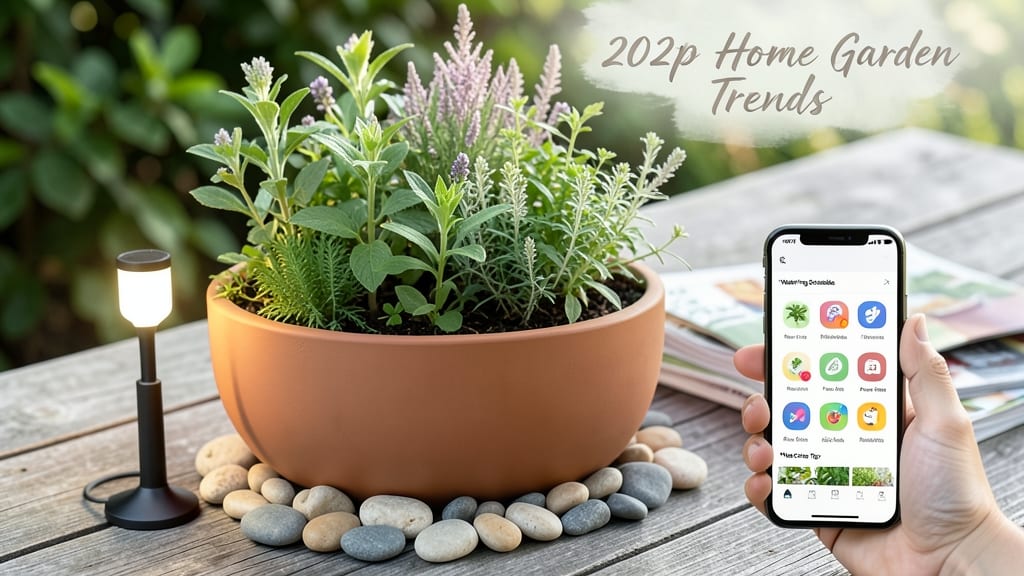
This year's home and garden trends emphasize eco-conscious outdoor living, with native plant landscaping and smart technology leading the charge. Sustainable designs like vertical gardens and biophilic elements are transforming spaces into healthier, more efficient environments.
The shift toward native plant landscaping isn't just about aesthetics—it's a response to water scarcity and habitat loss. 🌿 Plants like coneflowers and black-eyed Susans thrive with minimal care while supporting local pollinators, making them perfect for drought-prone regions.
Meanwhile, smart gardening tools like soil sensors and automated watering systems are cutting waste by up to 30% while giving gardeners real-time insights through mobile apps. The best part? These innovations often cost less than traditional setups, proving sustainability doesn't have to break the bank.
What's driving this movement? Homeowners are increasingly prioritizing wellness-focused spaces that reduce stress and connect them to nature—think living walls in small apartments or sensory gardens that incorporate fragrant herbs. The result? Outdoor areas that work harder for the planet and your peace of mind.
💡 In This Article
- Why Native Plants and Sustainable Gardening Lead 2024 Trends
- Top Smart Gardening Tools for 2024 Efficiency
Why native plants and sustainable gardening lead 2024 trends
Native plants dominate 2024 trends because they've evolved to thrive in local climates with minimal intervention.
Unlike non-native species, which often require excessive watering and chemical treatments, plants like purple coneflower and eastern red cedar develop deep root systems that access groundwater, reducing outdoor water use by up to 50%.
These roots also prevent soil erosion, a critical factor as extreme weather events become more frequent. The ecological payoff is immediate: native gardens support 30-40% more pollinators than conventional landscapes, according to University of Wisconsin studies.
The science behind this shift lies in mycorrhizal relationships—symbiotic networks between plant roots and soil fungi that enhance nutrient uptake. Native plants form these connections naturally, while non-native species often struggle. For example, milkweed hosts monarch butterflies while its roots strengthen soil structure, creating a self-sustaining ecosystem.
This regenerative approach mirrors permaculture principles, where each plant serves multiple functions: shade trees cool microclimates, ground covers suppress weeds, and nitrogen-fixers like clover reduce fertilizer needs by 30-50%. 🌱
Climate adaptation is pushing designers toward xeriscaping techniques—landscapes that require no irrigation once established. In drought-prone regions like California, homeowners are replacing thirsty lawns with drought-tolerant grasses like buffalo grass, which needs 90% less water than Kentucky bluegrass.
The water savings translate directly to lower utility bills, making these designs both eco-friendly and economically smart. Urban gardeners are adopting similar principles with rain gardens, which capture and filter stormwater while supporting native wildflowers.
What most people don't realize is how these plants improve mental wellness. Studies from the University of Exeter show that interacting with native plants reduces cortisol levels by 20% compared to conventional landscaping. The reason?
Native gardens create biophilic environments—spaces that foster connection with nature through familiar textures, aromas, and colors. For instance, lavender and bee balm release calming volatile organic compounds that lower stress hormones, while the rustling of native grasses triggers subconscious relaxation responses.
Regenerative gardening takes this further by focusing on soil health. Techniques like sheet mulching (layering cardboard, compost, and mulch) rebuild depleted soils in just 6-12 months, compared to years for chemical fertilizers. The result? Plants grow stronger with fewer inputs.
For example, a 100-square-foot native garden can sequester 100 pounds of carbon annually, offsetting a car's emissions for 3,000 miles. This carbon capture happens naturally as healthy soils store organic matter, making sustainable gardens a powerful climate solution.
Consider these key factors when designing your space:
- Water efficiency: Choose plants with deep taproots (like yarrow) that access moisture below the surface
- Pollinator support: Include plants with long bloom times (e.g., goldenrod flowers from August to October)
- Soil improvement: Incorporate dynamic accumulators like comfrey that pull nutrients from deep soil layers
- Microclimate benefits: Use evergreen shrubs (like inkberry) to create windbreaks that reduce heating/cooling costs
The future of gardening isn't just about growing plants—it's about growing ecosystems that work in harmony with nature. By choosing native species and regenerative techniques, you're not just creating a beautiful space; you're participating in a global movement toward healthier landscapes and communities. 🌿