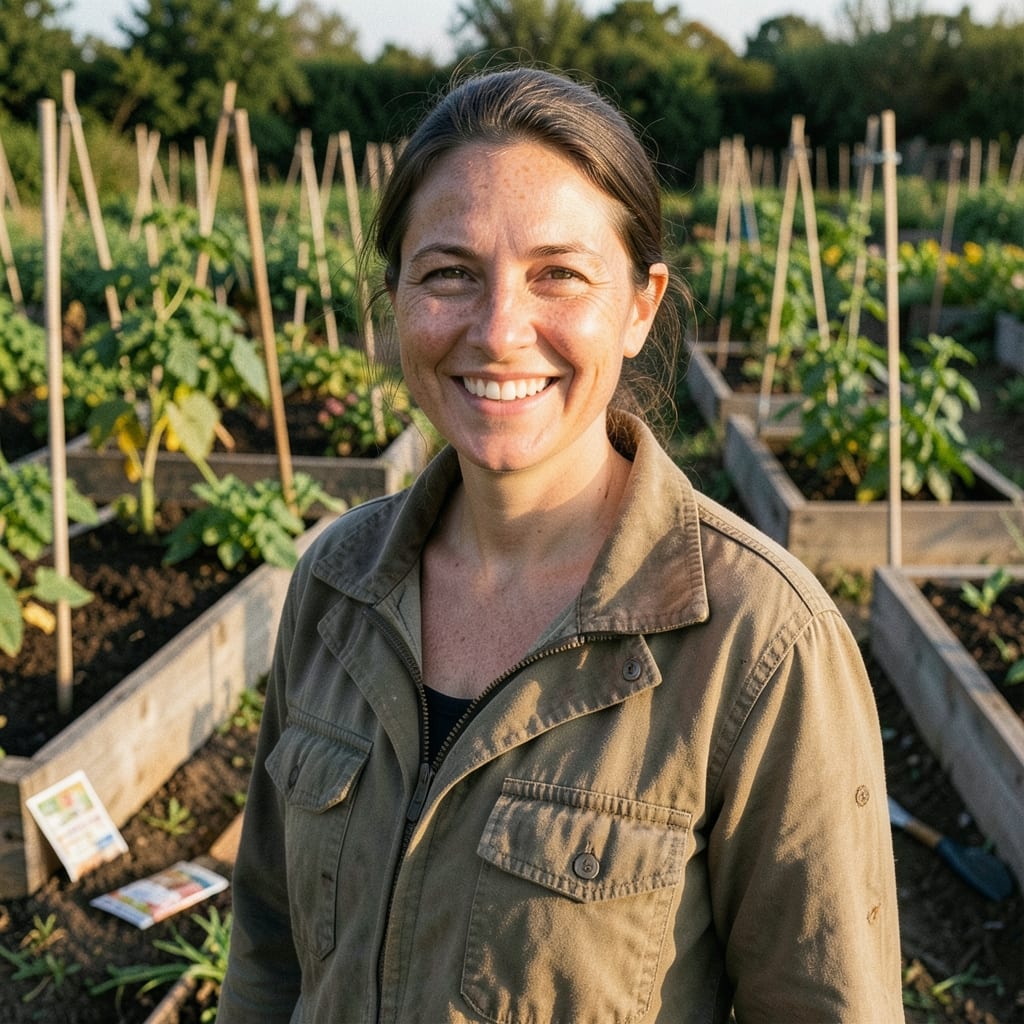
I remember the first time I planted a seed—it was a sunflower in a cracked clay pot on my grandmother’s windowsill. Watching it grow into something bright and tall made me realize how rewarding gardening could be. Now, I’m here to share the joy of cultivating your own little patch of green, whether you’re a seasoned green thumb or just starting out. My goal is to make gardening approachable, practical, and full of small victories that make the effort worth it.
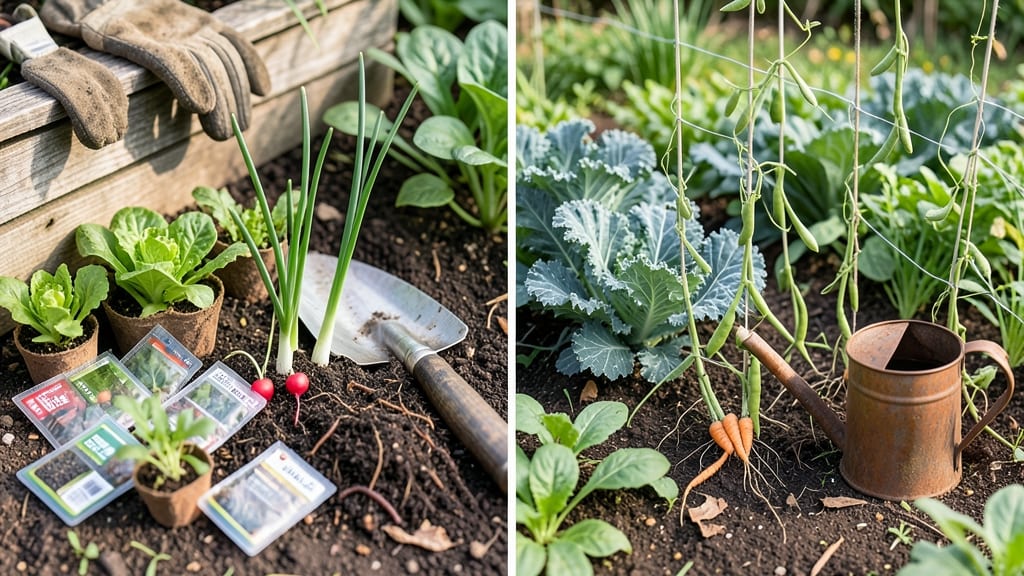
💥 Quick Answer What you can plant in your garden now varies by region, but early spring and fall offer ideal windows for cool-season crops like kale, carrots, and radishes, while warm-season plants such as basil and…
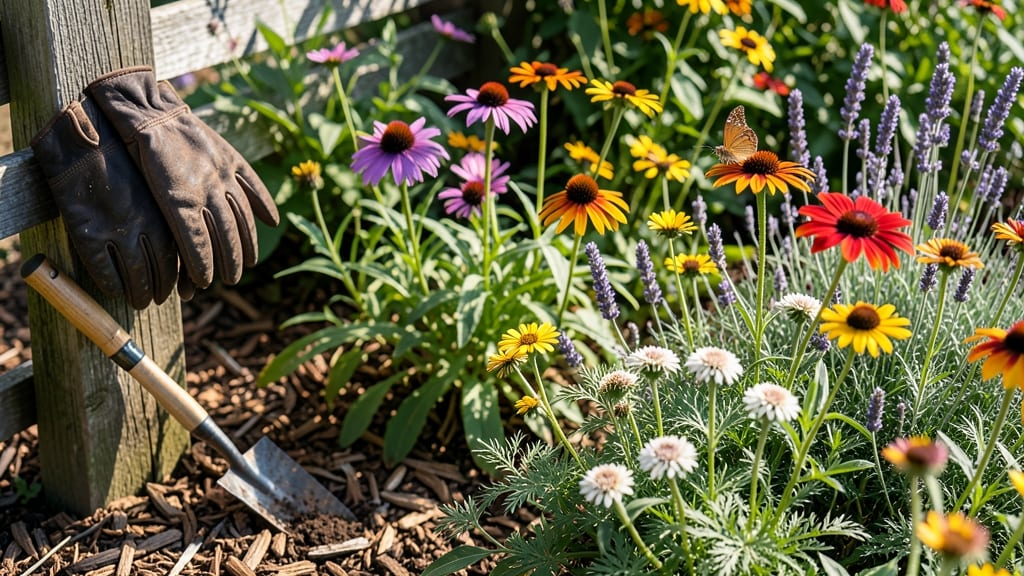
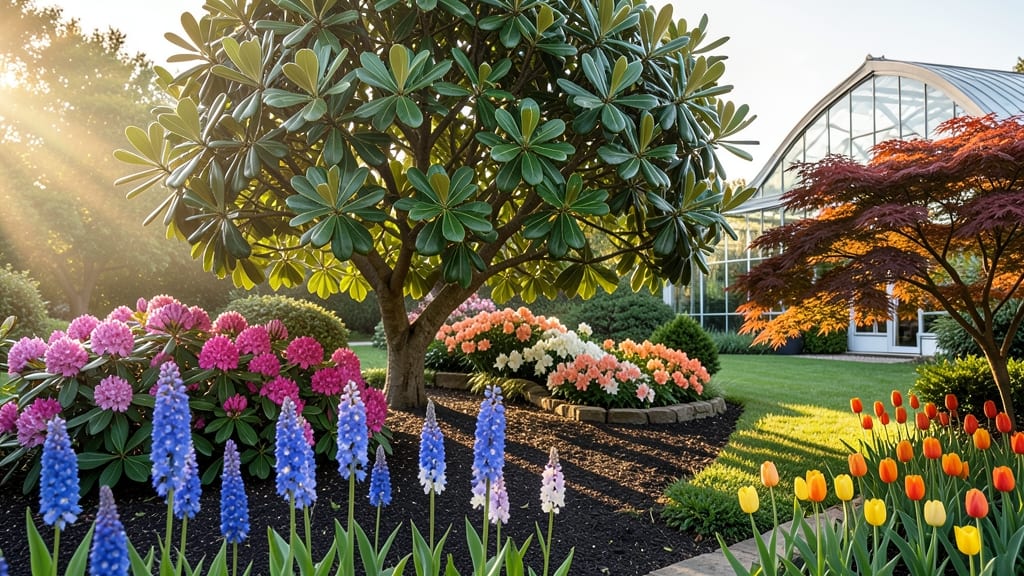
💥 Quick Answer A perennial garden mix requires careful planting—position root crowns at soil level for optimal growth, and space plants 12–36 inches apart based on mature size. Always check seed packet instructions to…
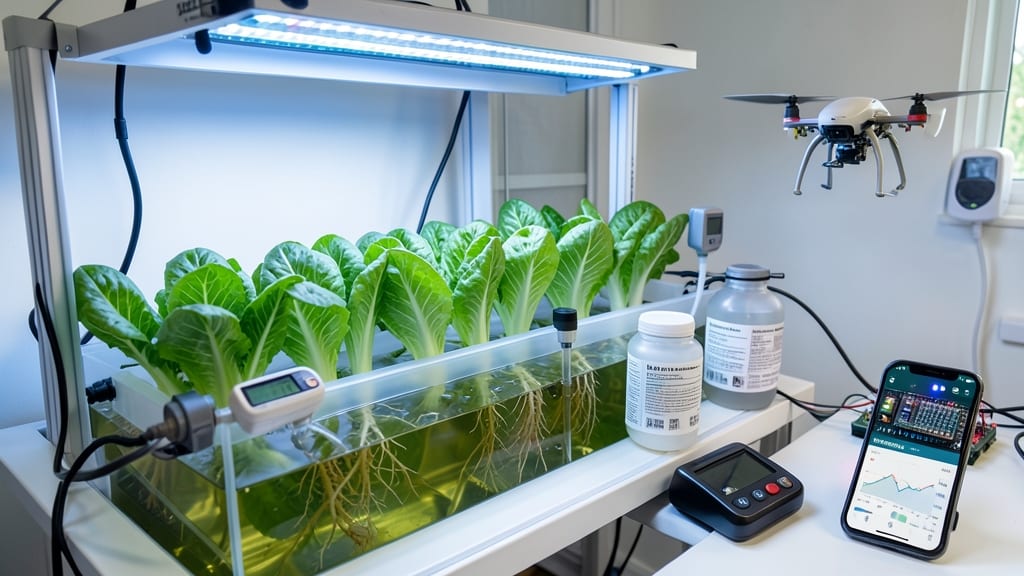
💥 Quick Answer A smart gardening system transforms your garden into an automated ecosystem that handles watering, tracks soil conditions, and even spots pests before they become problems—all through connected sensors…
💥 Quick Answer Botanical Gardens Belfast showcases over 2,000 plant species across 23 acres, featuring rare orchids, a Victorian glasshouse, and themed gardens like Japanese and Mediterranean sections. Seasonal…
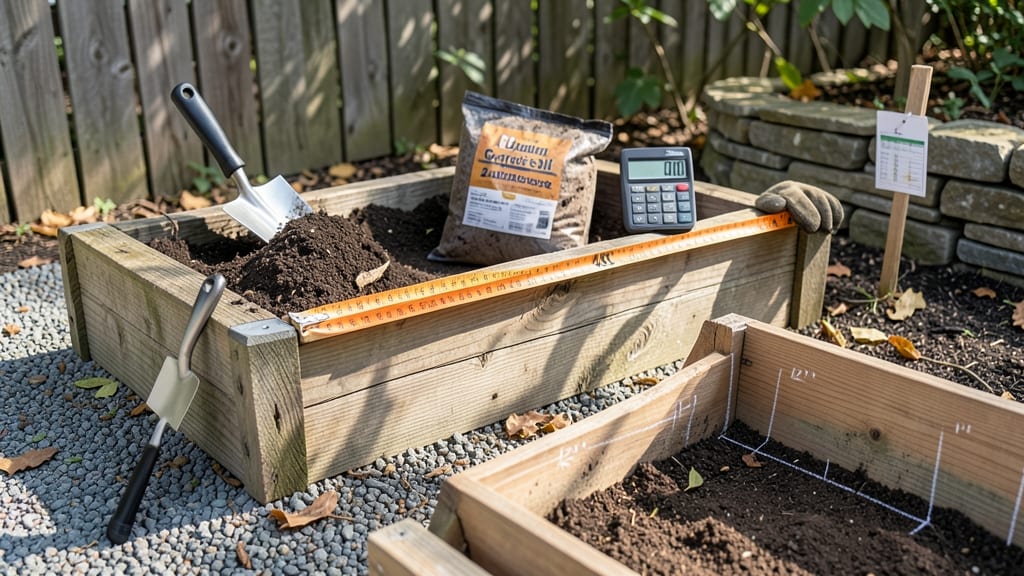
💥 Quick Answer The advantages of raised garden beds include superior soil drainage and warmth, which help roots grow stronger while cutting down on weeds and soil compaction. These beds also make gardening more…
💥 Quick Answer Gardening burns calories depending on intensity and body weight: a 155-pound person expends 150-200 calories/hour weeding, 200-250 calories/hour digging, and 250-300 calories/hour mowing. Lighter tasks…
💥 Quick Answer To determine how much soil you need for a raised garden bed, multiply the bed’s length and width by the desired depth (typically 6–12 inches) and divide by 27 to convert cubic feet to cubic yards. For…
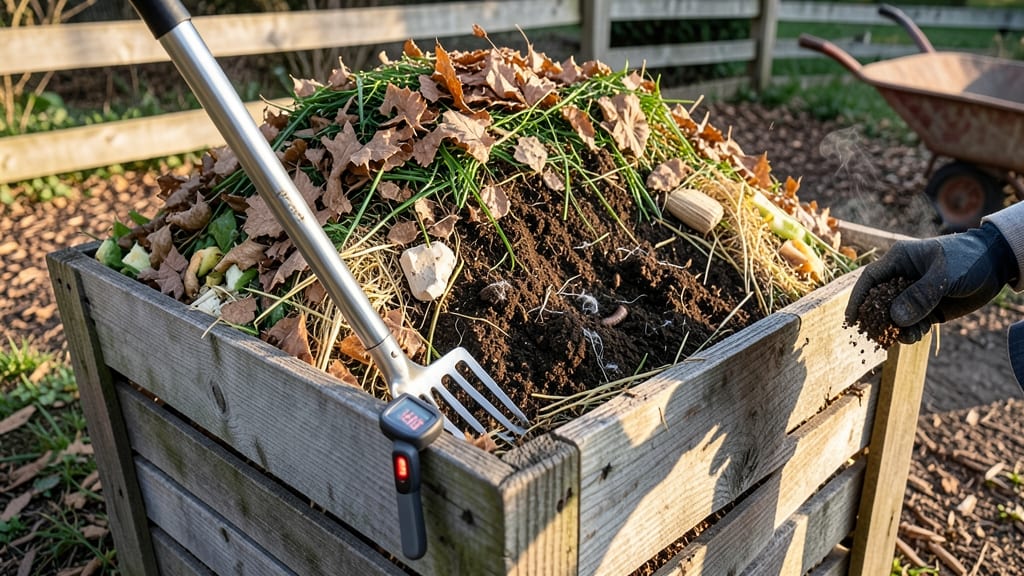
💥 Quick Answer Garden compost is a nutrient-rich soil amendment made from decomposed organic matter like yard waste, kitchen scraps, and plant debris, specifically tailored to improve soil structure and fertility for…
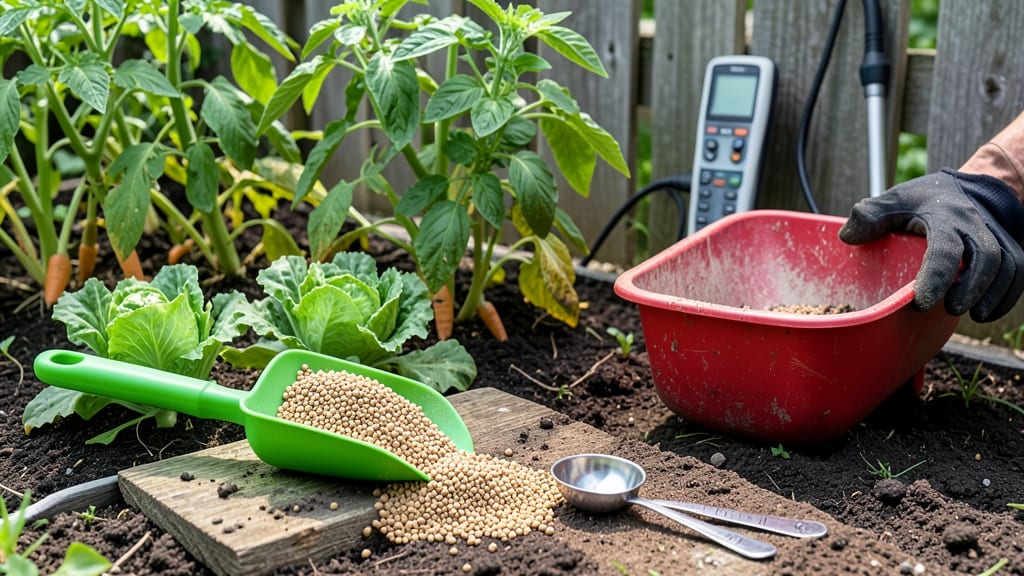
💥 Quick Answer Figuring out how much fertilizer for garden requires balancing soil type, plant requirements, and seasonal growth phases. Begin with 1 pound of balanced (10-10-10) fertilizer per 100 square feet, while…
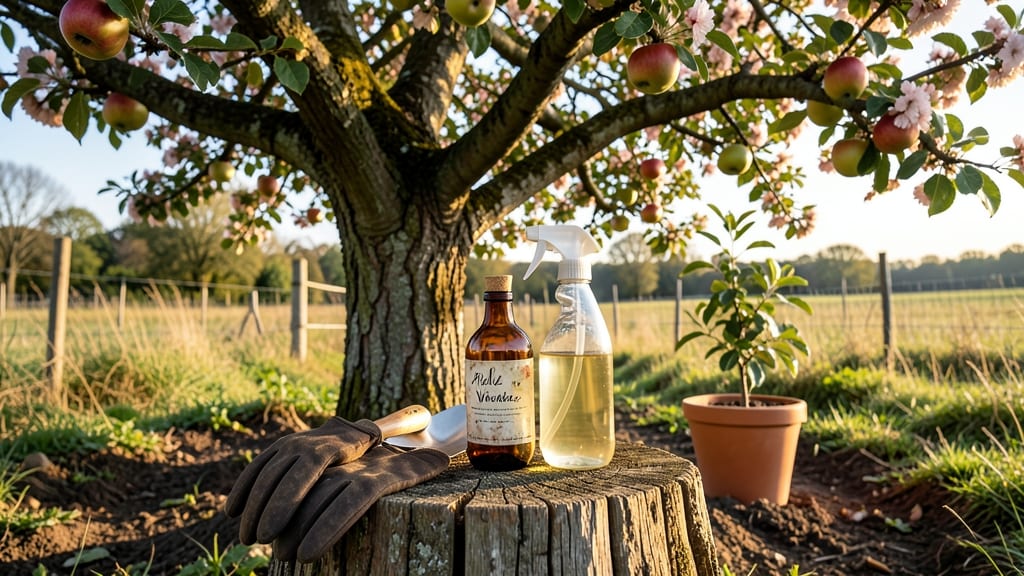
💥 Quick Answer Using apple cider vinegar in gardening boosts plant health by acting as a natural fertilizer and fungicide, balancing soil acidity, repelling pests like aphids, and preventing fungal diseases such as…