
Fertilization
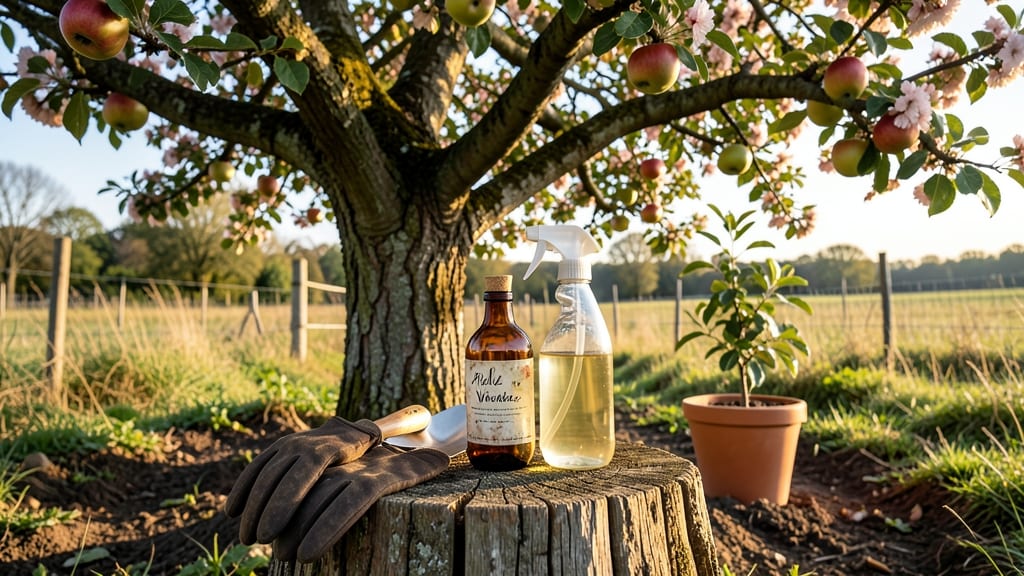
Using apple cider vinegar in gardening boosts plant health by acting as a natural fertilizer and fungicide, balancing soil acidity, repelling pests like aphids, and preventing fungal diseases such as powdery mildew when diluted to 1-2 tablespoons per gallon of water.
Apple cider vinegar (ACV) works its magic thanks to acetic acid, which gently breaks down mineral buildup in soil and helps unlock nutrients for plants. 🌱 The slight acidity can lower pH in alkaline soils, making phosphorus and iron more accessible—critical for root development and flowering.
For fungal issues, studies show ACV disrupts the cell membranes of pathogens like powdery mildew, creating a protective barrier when sprayed on leaves.
Beyond soil health, ACV’s sharp scent confuses pests like aphids, deterring them without harsh chemicals. I’ve found that mixing 1 tablespoon per quart of water in a spray bottle works wonders for both preventive care and treating early infections.
Just remember: always apply in the early morning to avoid leaf burn from sunlight concentration.
💡 In This Article
- How Apple Cider Vinegar Affects Soil and Plant Health
- DIY Apple Cider Vinegar Sprays and Fertilizers for Gardens
How apple cider vinegar affects soil and plant health
The acetic acid in apple cider vinegar (ACV) works like a gentle soil detoxifier. When diluted, it breaks down mineral deposits—like calcium carbonate—that can clog soil pores and reduce water absorption.
This process, called chelation, helps release bound nutrients such as phosphorus and iron, which are essential for root growth and chlorophyll production.
Studies show that soils with a pH above 7.0 (alkaline) often struggle to absorb these nutrients, and ACV’s mild acidity (pH 2.5-3.0) can lower the soil pH by 0.5-1.0 points per application when used correctly. 🌱
ACV’s antifungal properties come from its ability to disrupt the cell membranes of pathogens like Botrytis cinerea (gray mold) and Erysiphe (powdery mildew). The acetic acid creates an inhospitable environment for fungal spores, preventing them from germinating or spreading.
Research from the Journal of Plant Pathology found that a 1-2% ACV solution (about 1-2 tablespoons per gallon) reduced powdery mildew infections by up to 60% in greenhouse trials. The key is consistency—regular applications maintain a protective barrier on leaves.
For pest control, ACV’s strong scent acts as a natural repellent. Aphids, spider mites, and even some beetles avoid the vinegar’s aroma, which mimics the plant’s natural defense signals. The acetic acid also weakens the exoskeletons of soft-bodied insects, making them more vulnerable to natural predators.
However, the effect isn’t instant—it takes 2-3 days of repeated spraying to see noticeable pest reduction. Always test on a small leaf area first, as some sensitive plants (like azaleas) may show slight browning.
One critical factor is dilution ratio. Undiluted ACV can burn plant tissues, while too weak a solution won’t deliver results. The golden ratio is 1-2 tablespoons per gallon of water, but for heavy fungal infections, you can increase to 3 tablespoons per gallon.
For soil amendments, mix ½ cup per bucket of water and apply sparingly—over-acidifying soil can harm beneficial microbes and nutrient-uptake processes. 💧
Timing matters too. Early morning applications allow the solution to dry slowly, maximizing absorption and reducing evaporation. Avoid spraying in direct sunlight, as the acetic acid can concentrate on leaf surfaces, leading to brown spots.
For container gardens, mix ACV into the soil at planting time to preemptively balance pH and deter fungal spores from establishing. The results? Healthier roots, fewer pests, and plants that thrive without synthetic chemicals.
What most gardeners don’t realize is that ACV also stimulates microbial activity in the soil. The acetic acid encourages the growth of beneficial bacteria and fungi, which break down organic matter into plant-available nutrients.
This creates a more vibrant rhizosphere—the zone around plant roots—where nutrient exchange happens. Think of it as a natural probiotic for your garden’s soil ecosystem. ✨