I remember the first time I planted a seed—it was a sunflower in a cracked clay pot on my grandmother’s windowsill. Watching it grow into something bright and tall made me realize how rewarding gardening could be. Now, I’m here to share the joy of cultivating your own little patch of green, whether you’re a seasoned green thumb or just starting out. My goal is to make gardening approachable, practical, and full of small victories that make the effort worth it.
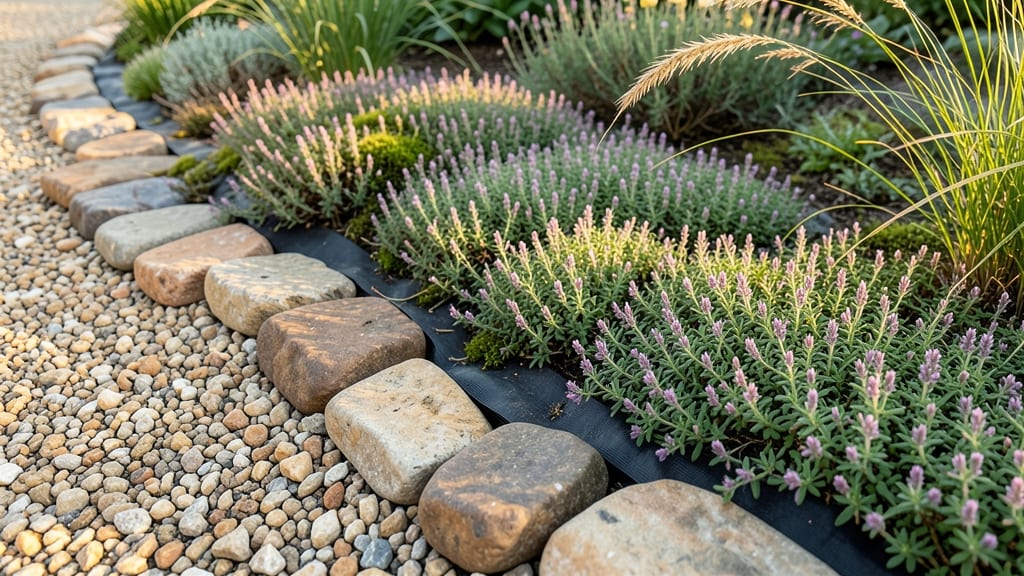
💥 Quick Answer Cobble garden edging creates defined garden borders using natural stone that resists erosion, suppresses weeds, and adds timeless charm. Opt for rounded river rocks, flat slate slabs, or crushed granite…
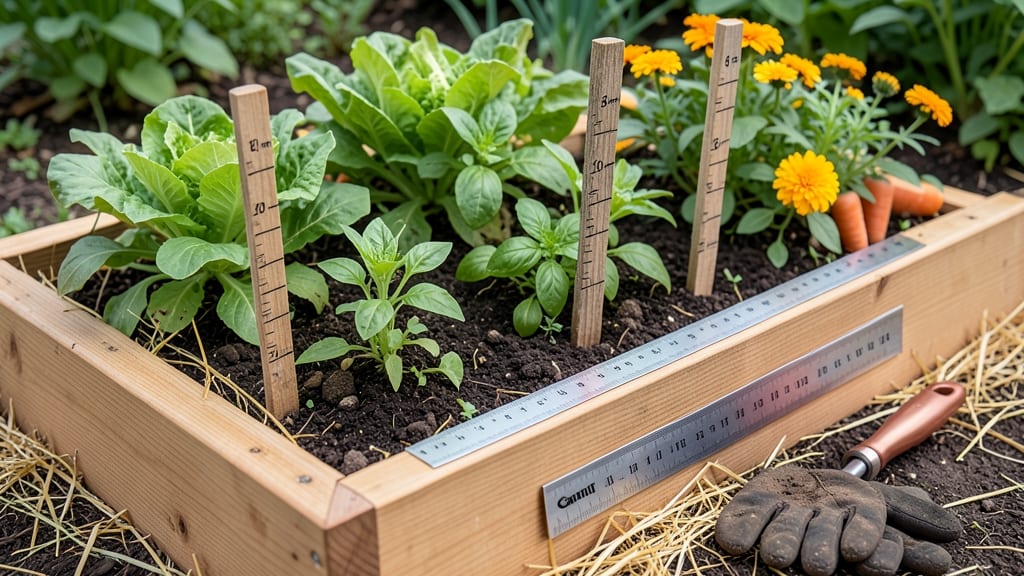
💥 Quick Answer Spacing for garden plants determines how close or far apart you plant them, directly impacting their ability to thrive by controlling competition for nutrients, sunlight exposure, and airflow circulation…
💥 Quick Answer Gardening slang refers to the colorful, often humorous terms plant lovers use to describe everything from gardening success to common plant problems, like calling a thriving garden a 'thumbs-up' or a…
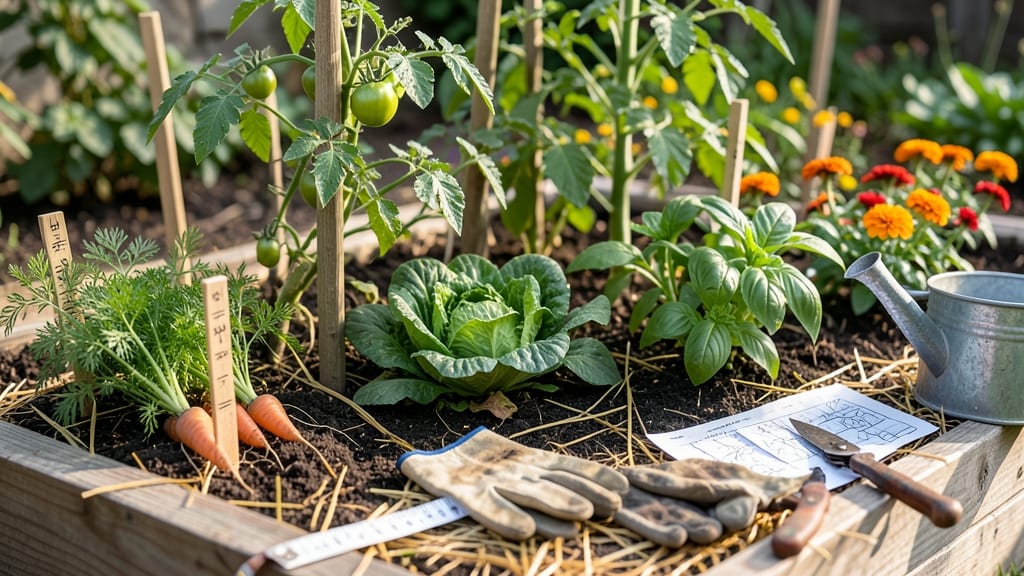
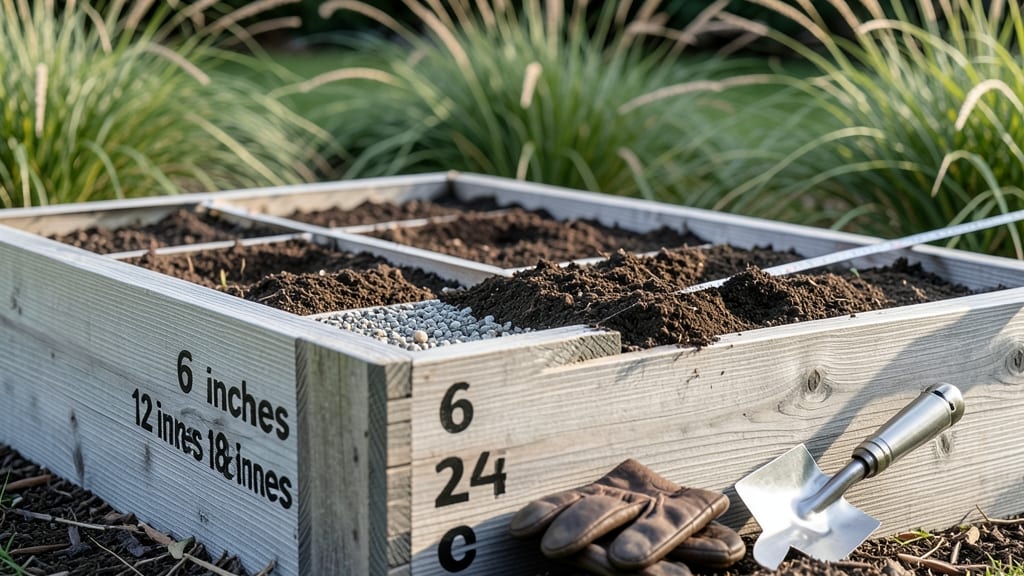
💥 Quick Answer Determining garden bed height depends on plant needs and gardening style, with standard depths between 6 to 12 inches for most vegetables, while raised beds often extend to 12 to 18 inches for better…
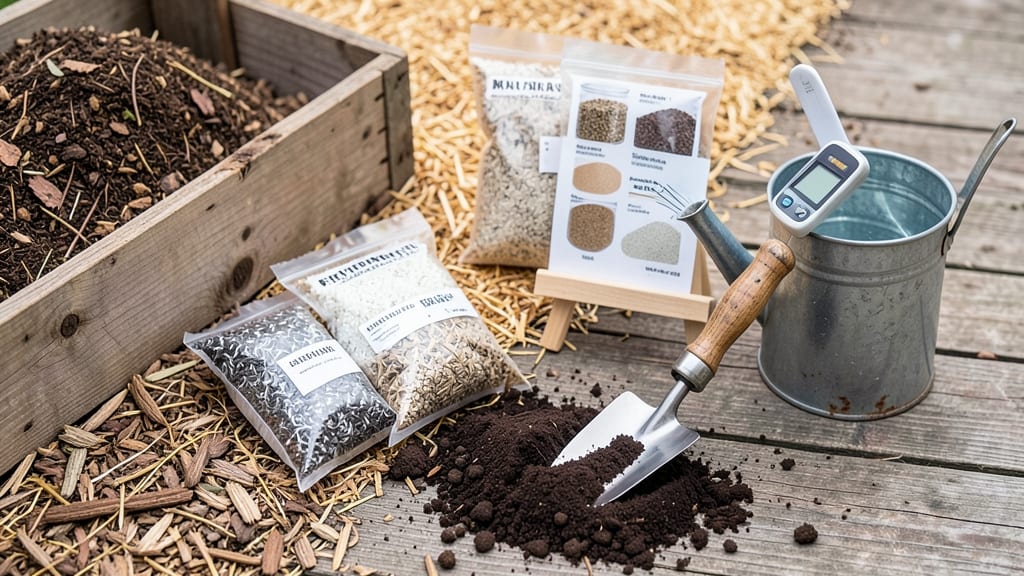
💥 Quick Answer To determine what soil to use for garden beds, the ideal choice is well-draining loam—rich in organic matter, balanced in texture, and retaining moisture without suffocating roots. Mixing sand or compost…
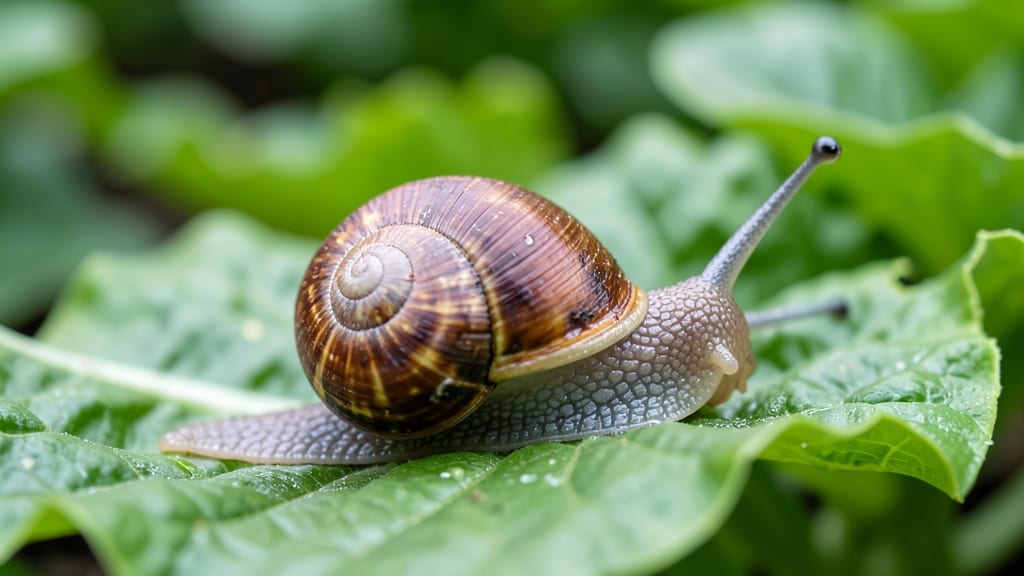
💥 Quick Answer Snails are beneficial to gardens because they naturally aerate soil, break down organic matter, and control pests by consuming weeds and decaying plant material. Their calcium-rich slime also enhances…
💥 Quick Answer To determine how tall a raised garden should be, aim for 6 to 12 inches for most vegetables and herbs, as this range ensures proper drainage and root development. For deep-rooted crops like tomatoes or…
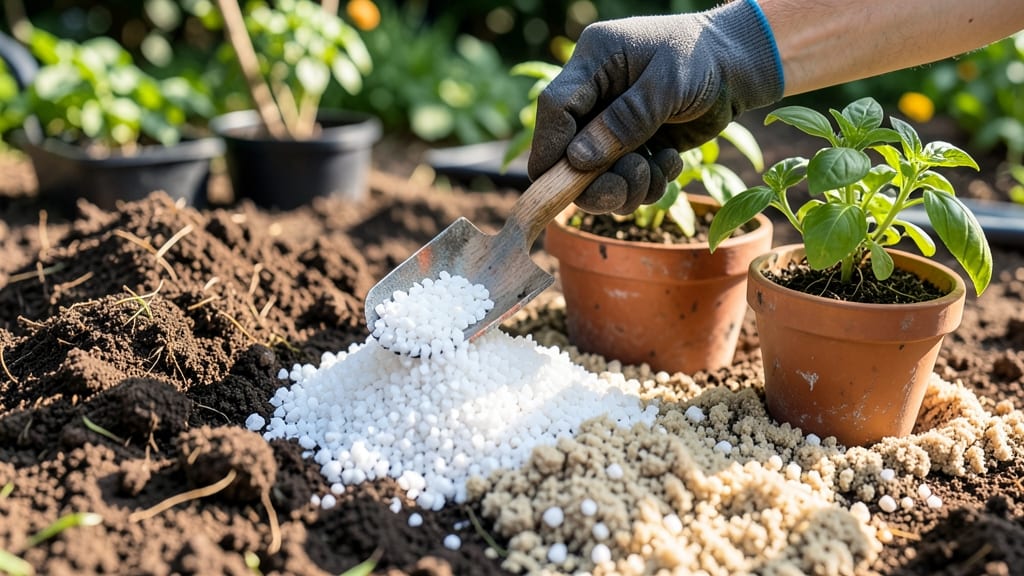
💥 Quick Answer To determine how much perlite to add to garden soil, start with a 1:3 to 1:4 perlite-to-soil ratio for most plants. For sandy soils, reduce to 1:5, while heavy clay benefits from a 1:2 mix. Always blend…
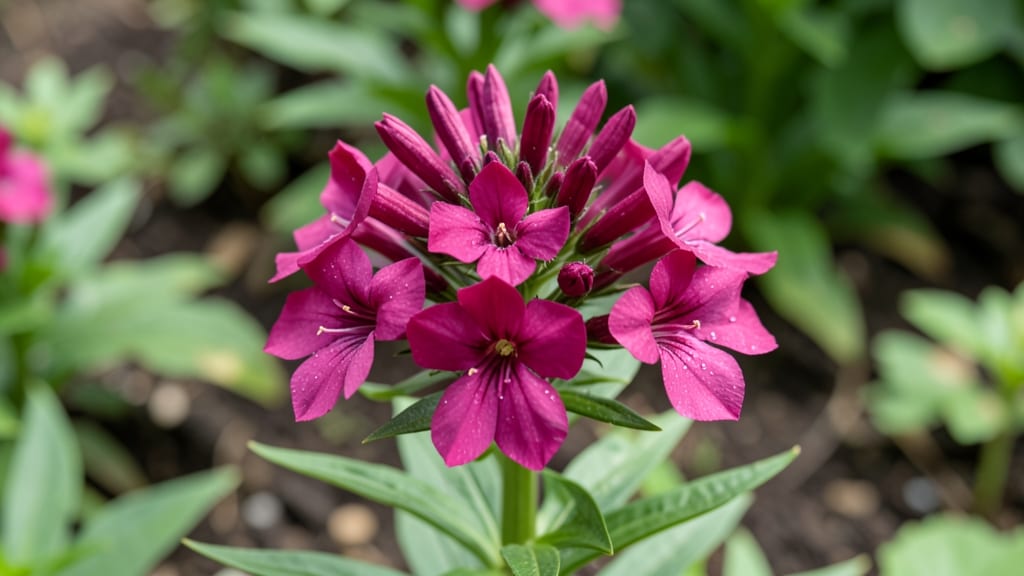
💥 Quick Answer Deer-resistant garden phlox varieties like David, Blue Ridge, and Wild Blue Phlox naturally repel deer through their tougher foliage and subtle fragrances, while thriving in full sun to partial shade…
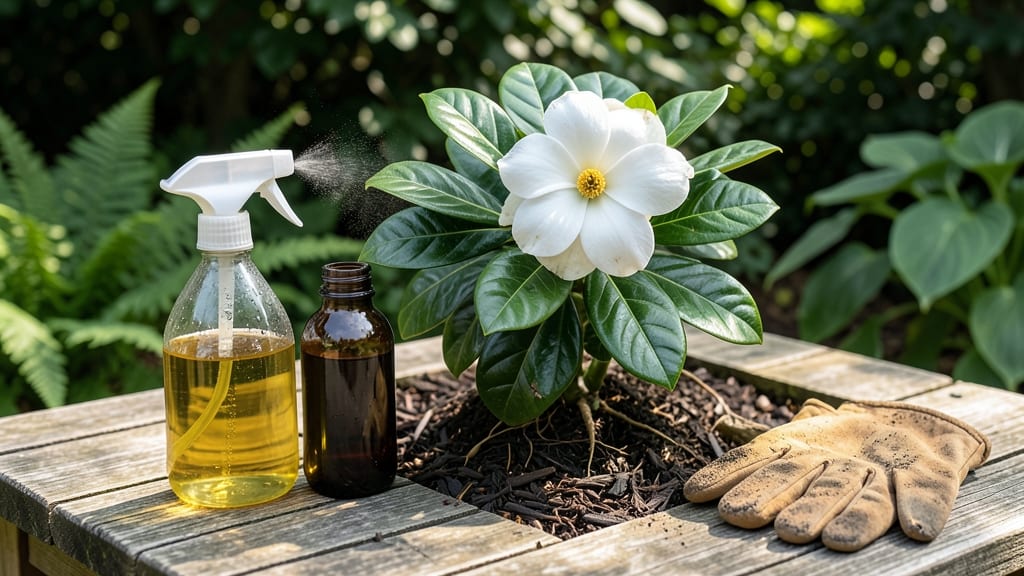
💥 Quick Answer Using neem oil on gardenias boosts plant vitality by combating fungal diseases like powdery mildew, intensifying flower vibrancy, and repelling pests without disrupting beneficial insects. For optimal…