
Tools
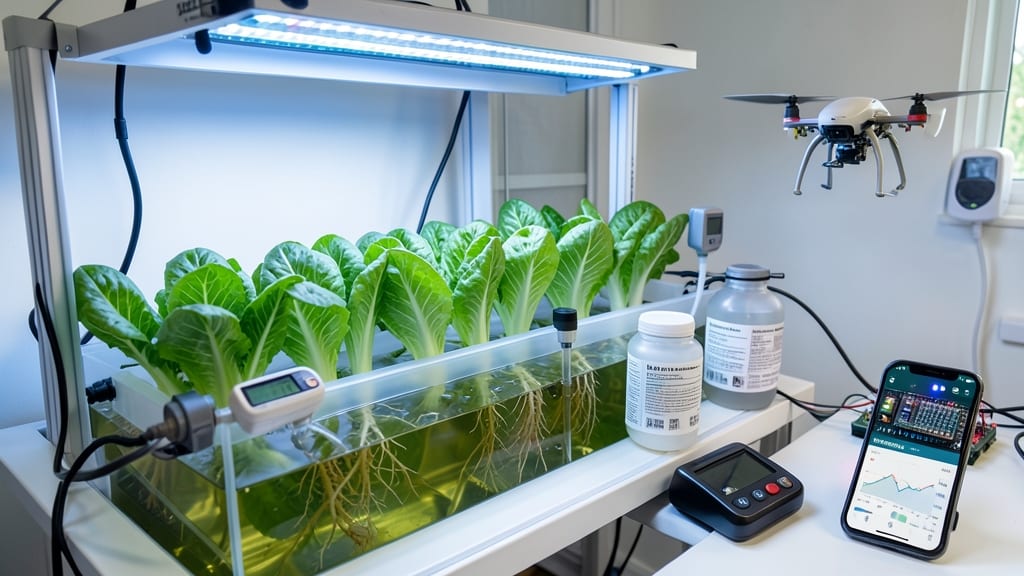
A smart gardening system transforms your garden into an automated ecosystem that handles watering, tracks soil conditions, and even spots pests before they become problems—all through connected sensors and apps. These high-tech setups learn from your plants' needs and adjust care routines automatically, saving time while boosting growth efficiency.
A smart gardening system puts technology to work for your plants by using soil sensors that measure moisture, nutrient levels, and even pH in real time. 🌱 The data syncs wirelessly to your phone or tablet, where you can monitor conditions and receive alerts—like when to water or adjust fertilizer.
What sets these systems apart is their ability to adapt: they'll cut back on watering during rain or ramp up nutrients when your plants show stress. Many also include pest detection cameras that send notifications when intruders appear, giving you a heads-up before damage occurs.
Beyond the convenience, these systems help conserve water and reduce chemical use by delivering precise care. For example, some models integrate with local weather forecasts to pause irrigation during expected rain, while others use AI to predict optimal planting times based on your garden's history.
The upfront investment often pays off through healthier plants, fewer losses, and the peace of mind of knowing your garden has a watchful eye—even when you're not there.
💡 In This Article
- How Smart Sensors Improve Soil and Plant Health
- Top Features to Look for in Smart Gardening Systems
How smart sensors improve soil and plant health
Smart gardening systems rely on advanced sensors buried in the soil to collect precise data about moisture, temperature, and nutrient levels. These sensors use capacitive or resistive technology to detect water content down to 0.1% accuracy, far surpassing traditional finger-test methods.
For example, a moisture sensor might register 25% soil moisture in the root zone, triggering an automated irrigation cycle only when levels drop below the plant's optimal range—typically 40-60% for most vegetables.
The sensors also measure electrical conductivity to gauge nutrient concentrations, alerting you when nitrogen or potassium levels dip below ideal thresholds.
The magic happens when these sensors communicate with your smartphone via Wi-Fi or Bluetooth, creating a real-time feedback loop.
Imagine checking your app and seeing that your tomato plants' soil pH has drifted from the ideal 6.0-6.8 range to 5.5—the system will either recommend a lime application or adjust your fertilizer blend automatically if it's part of an integrated setup.
Some high-end systems even use spectral sensors to analyze plant leaves for signs of stress, like yellowing that indicates nitrogen deficiency, before it becomes visible to the naked eye. 🌱 This level of precision means you're not just guessing about plant needs—you're making data-driven decisions that can boost yields by up to 30% compared to traditional methods.
What makes these systems truly revolutionary is their ability to learn and adapt. Many use machine learning algorithms that analyze historical data from your garden to predict optimal watering schedules.
For instance, if your system notices that your basil plants typically wilt at 10:00 AM on sunny days, it will preemptively increase irrigation during those hours.
The integration with weather APIs takes this further—if a 72-hour rain forecast appears, the system can pause watering entirely, preventing over-saturation that leads to root rot. This adaptive intelligence turns your garden into a self-regulating ecosystem.
Beyond the soil, some smart systems incorporate pest detection through motion sensors or even AI-powered cameras that analyze plant surfaces for early signs of aphids or spider mites.
These cameras use computer vision to distinguish between harmless insects and pests, sending alerts when they detect 10 or more insects per square foot—a threshold that often indicates an impending infestation.
The combination of soil and pest monitoring creates a comprehensive plant health dashboard that would take hours to compile manually.
For example, you might receive a notification that your pepper plants need water (soil moisture 15%) while simultaneously getting a warning about caterpillars on your cabbage (detected 12 insects).
The scientific foundation of these systems lies in their ability to maintain optimal growing conditions continuously. Plants have specific thresholds for moisture, temperature, and nutrients—when these fall outside ideal ranges, growth slows or stops.
Smart sensors keep these factors within ±5% of optimal levels around the clock, something impossible to achieve manually. For instance, lettuce thrives at 60-70°F soil temperature, while tomatoes prefer 75-85°F.
A smart system will adjust irrigation to maintain these temperatures by preventing overheating during the day or providing gentle warmth through controlled watering at night. This precision translates directly to healthier plants with stronger root systems and higher resistance to disease.
Consider the case of a smart drip irrigation system paired with soil sensors. When the sensors detect dry soil at 6 inches deep, the system delivers water directly to the root zone in 10-minute pulses rather than flooding the surface.
This method reduces water waste by 50% compared to traditional sprinklers while ensuring roots get exactly what they need. The result? Plants that grow faster, produce more, and require fewer chemical interventions. For gardeners with busy schedules, this means coming home to lush, thriving plants without the daily maintenance.
The technology doesn't just make gardening easier—it makes it more effective than ever before. 💫