
Tools
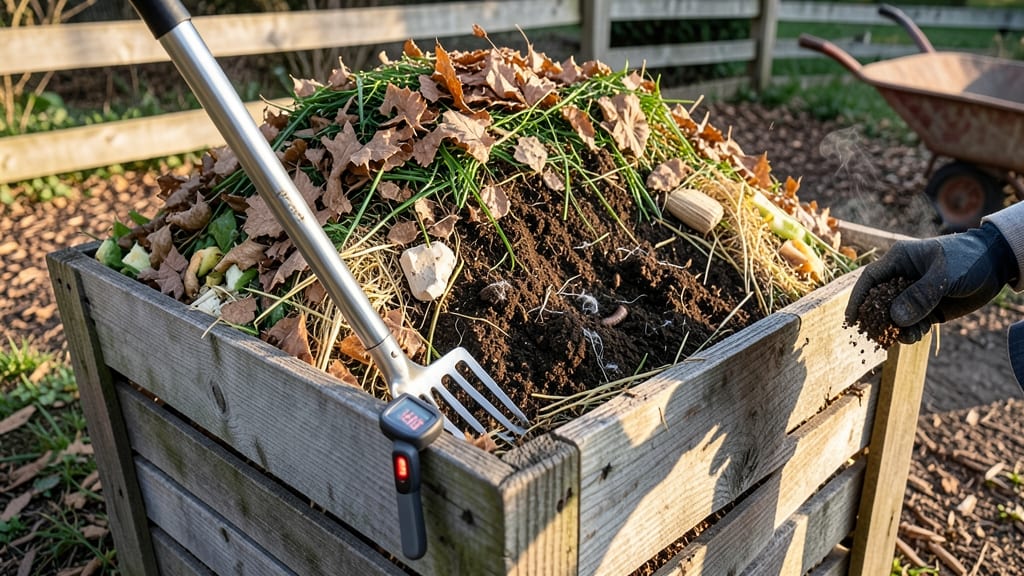
Garden compost is a nutrient-rich soil amendment made from decomposed organic matter like yard waste, kitchen scraps, and plant debris, specifically tailored to improve soil structure and fertility for outdoor gardens and plants. Unlike generic compost, it’s optimized for plant growth with balanced microbial activity and slower decomposition for sustained benefits.
Garden compost isn't just any decomposed plant material—it's a powerhouse for your garden's health. 🌱 The key difference lies in its carefully balanced mix of nitrogen, phosphorus, and potassium, which feed plants over time rather than all at once.
This slow-release nutrient system creates a thriving ecosystem in your soil, supporting everything from root growth to beneficial microbes.
Unlike generic compost, which might be rushed through industrial processes, garden compost is often made on-site with a mix of green (nitrogen-rich) and brown (carbon-rich) materials, ensuring a perfect balance for long-term plant vigor.
Think of it as a slow-cooked meal for your plants—nutrients are released gradually, keeping soil fertile for months. This makes it ideal for vegetable gardens, flower beds, and lawns where you want consistent, healthy growth.
Plus, the improved soil structure helps with water retention and aeration, reducing the need for frequent watering or synthetic fertilizers.
💡 In This Article
- How Garden Compost Enhances Soil Fertility
- Garden Compost vs Regular Compost: Key Differences
How garden compost enhances soil fertility
Garden compost works its magic through a complex microbial ecosystem that breaks down organic matter into plant-available nutrients.
When you mix green materials (like grass clippings or vegetable scraps) with browns (such as dried leaves or straw), you create the perfect carbon-to-nitrogen ratio (25:1 to 30:1), which fuels microbial activity.
These microbes—bacteria, fungi, and actinomycetes—decompose the matter, releasing essential nutrients like nitrogen (N), phosphorus (P), and potassium (K) in a slow, steady stream.
Unlike synthetic fertilizers that deliver a quick nutrient burst, garden compost feeds plants over 3-6 months, mirroring natural soil fertility cycles. 🌱
The physical structure of garden compost also transforms soil. As organic matter decomposes, it creates a spongy, crumbly texture that improves soil aeration by 30-50% compared to compacted clay or sandy soils. This aeration helps plant roots breathe and access nutrients more efficiently.
Simultaneously, the humus-rich compost holds 4-6 times more water than mineral soil, reducing runoff and drought stress. The pH balance stabilizes around 6.0-7.5, creating an ideal environment for beneficial fungi like mycorrhizae, which form symbiotic relationships with plant roots to enhance nutrient absorption.
What sets garden compost apart is its ability to support earthworms—nature's plowmen. A single pound of compost can contain 1,000-2,000 earthworms, which tunnel through soil, further improving drainage and nutrient distribution. These worms also excrete nutrient-rich castings that act as a natural fertilizer.
The result? Healthier plants with stronger root systems, better resistance to diseases, and increased yields. For example, tomatoes grown in compost-amended soil show 20-30% higher fruit production compared to plants in untreated soil, thanks to these combined benefits. 🌿
This microbial alchemy doesn't happen overnight—it takes 4-12 months for proper decomposition, depending on conditions. The slower process ensures nutrients are released gradually rather than all at once, preventing nutrient burn that can damage plant roots.
Unlike fast-acting commercial fertilizers, garden compost builds soil fertility over time, creating a self-sustaining ecosystem. This is why experienced gardeners swear by it: it's not just about feeding plants today, but creating a thriving soil foundation for years to come.
Consider the sensory experience: fresh garden compost has an earthy, slightly sweet aroma from microbial activity, with a dark brown to black color and a crumbly yet moist texture. When mixed into soil, it transforms hardpan into loose, fertile ground that crumbles easily between your fingers.
This tactile feedback is a clear sign you're working with high-quality compost that will nourish your plants effectively. The visual difference in plant growth—lush green leaves, robust stems, and abundant blooms—is the ultimate reward for this soil-building process. 💫