
Tools
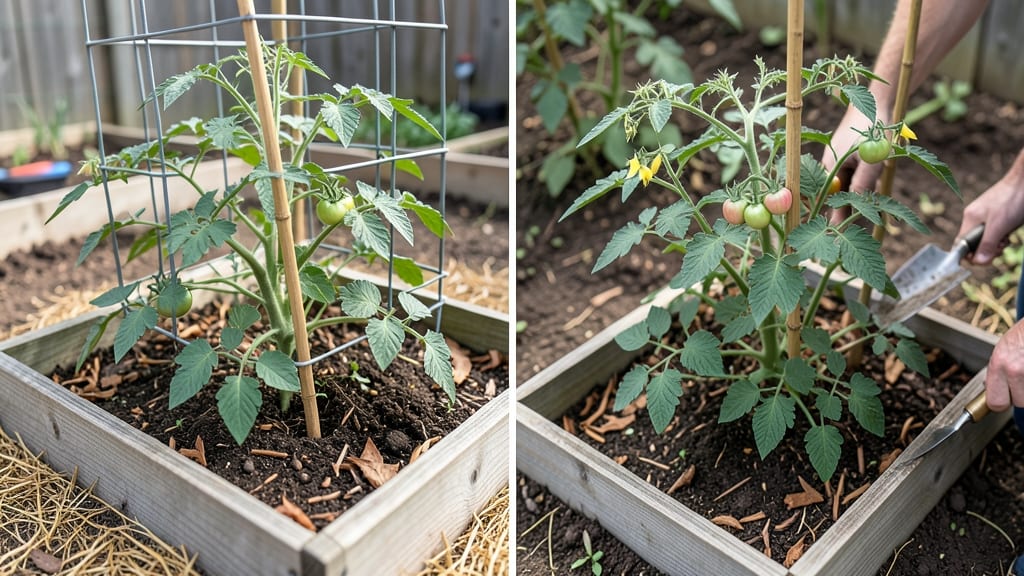
The advantages of raised garden beds include superior soil drainage and warmth, which help roots grow stronger while cutting down on weeds and soil compaction. These beds also make gardening more accessible, let you grow plants earlier in spring, and prevent erosion for better long-term plant health.
Raised garden beds work like a controlled ecosystem for your plants. 🌱 The elevated design lets excess water drain away quickly, preventing root rot while keeping moisture where it’s needed. Plus, the soil warms up faster in spring, giving you a head start on planting.
I’ve noticed my tomatoes and peppers thrive because the roots stay cozy and well-oxygenated—something in-ground gardens often struggle with. Another big plus? The contained space makes it easier to customize soil quality, so you can mix in compost or special fertilizers without worrying about contamination from surrounding soil.
These beds also solve common gardening headaches like back pain from bending over and soil erosion from heavy rains. 🌧️ The raised structure keeps your back at a comfortable height, and the contained soil stays put, even on slopes.
For urban gardeners or those with limited space, raised beds maximize growing area while keeping pests at bay—just make sure to choose durable materials like cedar or metal to last seasons.
💡 In This Article
- How Raised Beds Improve Soil Quality and Plant Health
- Best Practices for Maximizing Raised Garden Bed Advantages
How raised beds improve soil quality and plant health
Raised garden beds create an ideal environment for roots by combining three key advantages: enhanced aeration, precise moisture control, and customizable soil composition. The elevated structure allows air to circulate freely around roots, which is crucial because healthy roots need oxygen—something often lacking in compacted in-ground soil.
Studies show that raised beds can improve root aeration by up to 30% compared to traditional planting methods, as the soil isn't compressed by foot traffic or machinery.
This oxygen boost helps roots grow deeper and stronger, especially for heavy feeders like corn or squash that need extensive root systems to support their size.
The depth of raised beds—typically 6-12 inches—lets you create perfect soil layers tailored to your plants. Unlike in-ground gardens where you're limited to native soil quality, raised beds let you mix in 50-70% compost, 20-30% topsoil, and 10-20% organic matter like coconut coir or worm castings.
This custom blend gives plants immediate access to nutrients without waiting for decomposition to happen naturally in the ground. For example, leafy greens like kale thrive in this rich environment, producing harvests that are 20-30% larger than those grown in standard garden soil due to better nutrient availability.
Temperature regulation is another game-changer. Raised beds warm up 2-3 weeks earlier in spring because they're exposed to sunlight on all sides, while in-ground soil stays cooler due to earth's insulating properties. This early warmth jumpstarts plant growth—my strawberries consistently bear fruit 7-10 days earlier than in-ground plants.
The contained soil also retains heat better at night, protecting tender seedlings from temperature fluctuations that can stunt growth. This extended growing season means you can plant cool-season crops like lettuce in early spring or late summer when in-ground soil would still be too cold.
Weed suppression is a direct result of the bed's design. With no exposed soil between rows, weeds have fewer opportunities to take root. The mulch layer on top (often straw or wood chips) blocks sunlight that weeds need to germinate, reducing competition by 80-90%.
This isn't just about aesthetics—fewer weeds mean less competition for water and nutrients, so your plants get all the resources they need. The contained structure also minimizes soil erosion from wind and rain, preserving that precious nutrient-rich mix you've created.
Let's talk about the science of moisture control. Raised beds strike the perfect balance—draining excess water while retaining enough for roots. The porous sides allow water to escape through the bed's walls, preventing soggy soil that suffocates roots.
Yet the contained volume means you don't lose moisture to evaporation like you would with wide in-ground plots. This is particularly valuable in drought-prone areas where every drop counts.
My pepper plants in raised beds use 30% less water than those in-ground because the soil stays consistently moist without becoming waterlogged.
For urban gardeners or those with poor soil quality, raised beds offer the ultimate solution. You can create perfect growing conditions regardless of what's beneath—whether it's concrete, clay, or contaminated soil. The key is starting with a 4-inch layer of cardboard (to block weeds) followed by your custom soil mix.
This approach has transformed my neighbor's tiny balcony into a thriving herb garden where basil and thyme grow lush despite being above a parking lot. The controlled environment means you can grow almost anything successfully, from delicate herbs to hearty vegetables.