
Tools
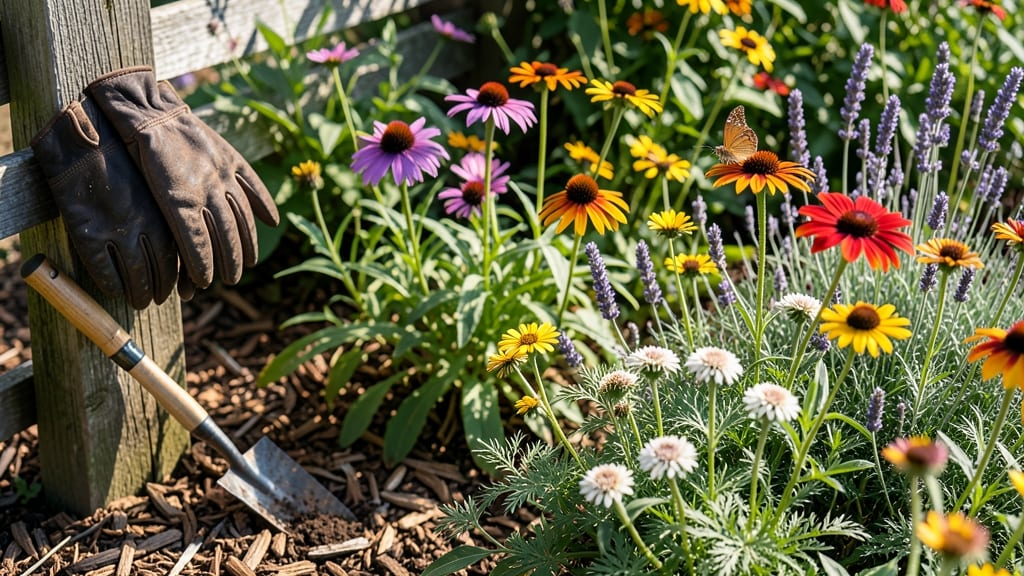
A perennial garden mix requires careful planting—position root crowns at soil level for optimal growth, and space plants 12–36 inches apart based on mature size. Always check seed packet instructions to balance airflow and prevent fungal issues.
A perennial garden mix isn't just about throwing seeds into the dirt—it's about creating the right conditions for long-term success. 🌱 The root crown (where stems meet roots) must stay exposed to prevent rot, while proper spacing lets plants breathe and compete for nutrients.
I've seen mixes with crowded plants struggle with mildew or stunted growth, so always measure mature sizes before planting. For example, lavender needs 24–36 inches of space, while creeping thyme thrives in 12-inch gaps.
This approach also affects winter survival—plants with buried crowns may rot in wet soil, while those spaced correctly get better airflow. Label guidelines often include both depth and spacing, so treat them like instructions for a delicate recipe. The right balance turns a seasonal bed into a four-season showstopper.
💡 In This Article
- How Planting Depth Affects Perennial Root Health
- Spacing Rules for Perennial Mix Success
How planting depth affects perennial root health
The root crown—where stems emerge from roots—is the most critical part of your perennial mix's health. When buried too deeply, it suffocates from lack of oxygen, leading to rot or fungal infections like crown rot.
Think of it like a human neck buried under soil: the plant can't breathe or absorb sunlight effectively. 🌱 The ideal depth keeps the crown at soil level, allowing roots to access moisture while stems stay exposed for photosynthesis.
Different plant types demand unique approaches. Bulbs like alliums need shallow planting (just covering the bulb), while rhizomatous plants (such as asclepias) spread horizontally and should sit slightly above soil. The key is balancing moisture retention and airflow—wet, buried crowns invite disease, while exposed ones dry out too quickly.
For example, hostas (a popular perennial) thrive with crowns at soil level in well-draining soil, but in heavy clay, you might mound soil slightly to prevent waterlogging.
Depth also impacts winter hardiness. Plants with buried crowns can't tolerate freeze-thaw cycles—ice forms around roots, causing cellular damage. In colder climates, mulch (2–3 inches) protects exposed crowns without smothering them.
This is why label guidelines often specify depth ranges: they account for regional soil conditions. For instance, a 3-inch burial works for drought-tolerant sedums, while 1-inch suffices for moisture-loving asters.
Nutrient uptake suffers when roots can't spread freely. Crowded or buried crowns force roots to compete for space, stunting growth. The solution? Loosen soil around the crown area during planting to encourage lateral root expansion.
I’ve seen perennial mixes with buried crowns produce half the blooms of properly planted ones—proof that depth isn’t just a detail, it’s the foundation of success.
Consider the texture of your soil too. Sandy soils dry out faster, so crowns need slightly deeper placement to retain moisture, while loamy soils (ideal for most perennials) keep crowns at the surface.
The goal is a moist-but-not-soggy environment where roots can access nutrients without drowning. This balance turns a good perennial mix into a thriving one.
Pro tip: Use your finger to gauge depth—if the crown feels buried deeper than ½ inch, adjust before backfilling. The payoff? Healthier plants, fewer diseases, and blooms that last from spring to frost. 💫