
Planting
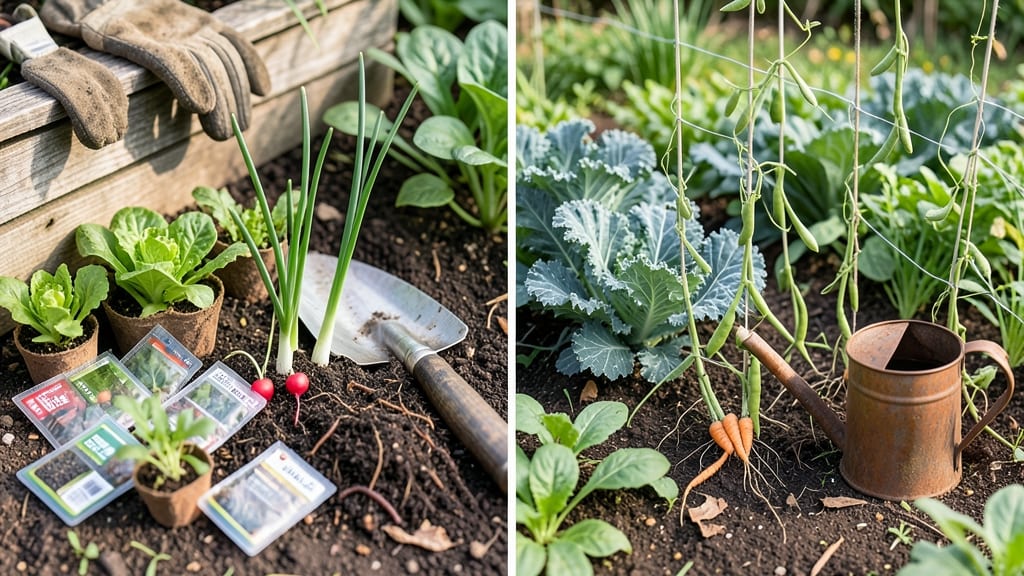
What you can plant in your garden now varies by region, but early spring and fall offer ideal windows for cool-season crops like kale, carrots, and radishes, while warm-season plants such as basil and zucchini should wait until soil temperatures reach at least 60°F. Always verify your local frost dates and USDA zone for precise timing.
Your planting choices should align with both your climate zone and the current season.
For example, Zone 5-7 gardeners can start hardy greens like spinach in early spring, while Zone 8-10 regions might focus on winter crops like broccoli or cabbage. 🌱 I recommend testing soil temperature with a thermometer—most warm-season plants need at least 60°F for two weeks before planting.
Companion planting can also boost yields, like pairing basil with tomatoes to repel pests naturally.
Don't overlook herbs and flowers—they're perfect for filling gaps between vegetables. Chives, parsley, and marigolds thrive in early spring and deter common pests. For beginners, fast-growing crops like radishes (ready in 3-4 weeks) or green onions provide quick gratification while teaching planting fundamentals.
💡 In This Article
- Seasonal Planting Calendar by USDA Climate Zones
- Best Fast-Growing and Low-Maintenance Plants for Spring Planting
Seasonal planting calendar by USDA climate Zones
The USDA climate zones (3-10) create a framework for understanding when to plant, but frost dates and soil temperatures are the real deciding factors. For instance, Zone 3 (northern regions) typically has a 120-150 day growing season, while Zone 10 (southern deserts) enjoys year-round planting opportunities.
The key threshold is soil temperature—most cool-season crops thrive when soil stays below 60°F, while warm-season plants like tomatoes need at least 60°F for two weeks straight to germinate properly.
Regional variations add complexity. In the Pacific Northwest (Zones 7-9), cool, wet springs delay planting until late April or May, while the Southeast (Zones 7-8) can start as early as February.
For example, in Zone 7, you might plant lettuce in early spring (March-April) but switch to beans and squash by mid-May when nights stay above 50°F. The last frost date is critical—waiting until after this date prevents young plants from being killed by unexpected cold snaps.
Herbs and flowers often have more flexibility. Parsley and chives can handle light frosts (28°F), while marigolds and nasturtiums thrive in both spring and fall. These plants also deter pests naturally—marigolds repel nematodes, and nasturtiums confuse aphids.
For vegetables, succession planting is key: after harvesting early radishes (3-4 weeks), replant with fast-growing lettuce or spinach to maximize space.
Soil preparation varies by zone too. Northern climates (Zones 3-5) benefit from raised beds, which warm up faster in spring. Southern climates (Zones 8-10) may need shade cloth during peak summer to protect heat-sensitive crops.
A soil thermometer is your best tool—plant warm-season crops only when readings hit 60°F consistently for 7-10 days. This timing ensures strong root development and higher yields.
Don't forget about microclimates—they can shift planting windows by 2-4 weeks. A south-facing wall or garden bed might be 10°F warmer than the rest of your yard, allowing earlier planting of heat-loving crops.
Similarly, low-lying areas may stay cooler longer, requiring adjustments. Always observe your garden's unique conditions before following general zone guidelines.
For precise timing, consult your local cooperative extension service—they provide hyper-local advice based on recent weather patterns. Many offer free soil tests too, which reveal pH levels that affect nutrient uptake.
For example, tomatoes prefer slightly acidic soil (pH 6.0-6.8), while carrots need neutral soil (pH 6.5-7.0). Adjusting pH with lime or sulfur can make the difference between thriving plants and stunted growth.