
Container Gardens
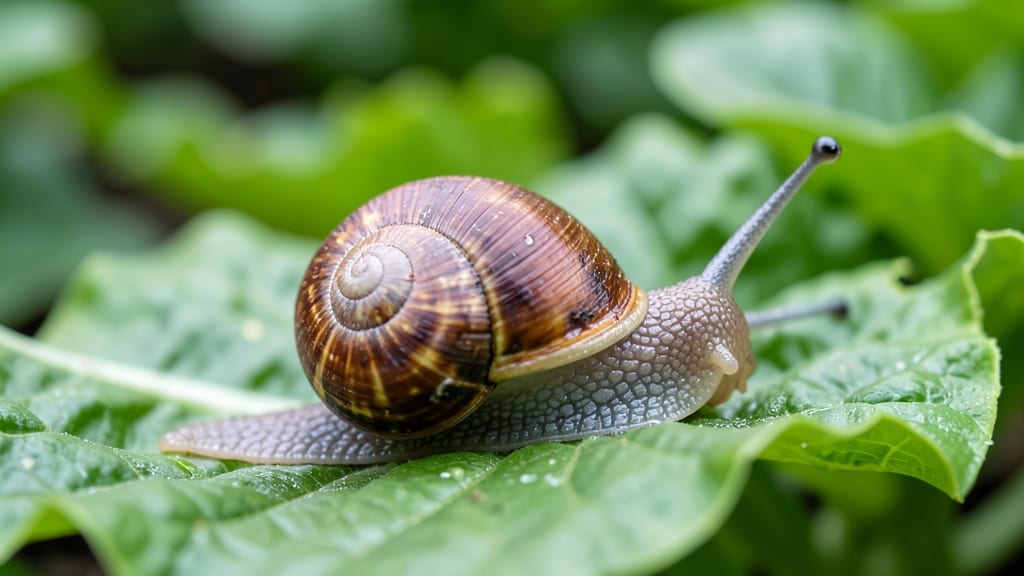
Snails are beneficial to gardens because they naturally aerate soil, break down organic matter, and control pests by consuming weeds and decaying plant material. Their calcium-rich slime also enhances soil fertility while reducing the need for chemical treatments.
Snails play a surprisingly positive role in garden ecosystems by acting as natural recyclers.
Their feeding habits break down dead plant material into nutrient-rich compost, while their burrowing improves soil structure and drainage—similar to earthworms but without the same scale. 🌱 The calcium from their shells even helps balance soil pH over time.
Many gardeners overlook their value, assuming all snails are pests, but their presence actually supports long-term soil health and reduces the need for synthetic fertilizers.
To maximize their benefits, create moist, shaded microhabitats with mulch or leaf litter where they can thrive. Planting snail-friendly flowers like marigolds or basil nearby can attract them while repelling more destructive pests.
The key is balance—encourage their helpful activities while using organic barriers or predator-friendly methods (like introducing toads) to control their numbers when they become too numerous.
💡 In This Article
- How Snails Aerate and Fertilize Garden Soil
- Managing Snail Populations for Optimal Garden Balance
How snails aerate and fertilize garden soil
Snails contribute to soil health through a dual process of mechanical and chemical enrichment. Their burrowing habits create tiny tunnels that improve soil aeration, allowing oxygen and water to penetrate deeper.
A single snail can create up to 10 inches of tunnels in a season, breaking up compacted soil layers that often form from foot traffic or heavy machinery.
This improvement is especially valuable in container gardens where soil compaction is common, as it mimics the natural aeration earthworms provide but on a smaller scale.
Their waste, known as "castings," is a powerhouse of nutrients. Snail castings contain 2-3 times more nitrogen, phosphorus, and potassium than their body weight, making them an organic fertilizer comparable to well-aged compost.
The calcium carbonate from their crushed shells also neutralizes acidic soil, gradually raising pH levels in gardens where plants like azaleas or blueberries thrive in slightly acidic conditions. Unlike chemical fertilizers, snail waste releases nutrients slowly, preventing plant burn while feeding microbial life in the soil.
What makes snails unique is their slime—a complex mixture of mucus proteins, water, and enzymes that acts as a natural soil conditioner. This slime coats plant roots, creating a protective barrier that retains moisture and blocks harmful pathogens.
Studies show that snail mucus can increase soil moisture retention by up to 30% in sandy soils, which is why gardeners in arid climates often welcome their presence. The enzymes in their slime also break down complex organic matter into simpler compounds that plants can absorb more easily.
Comparing snails to earthworms reveals complementary roles rather than competition. While earthworms excel at deep soil aeration and creating nutrient-rich casts, snails specialize in surface-level decomposition and moisture regulation.
Their smaller size allows them to access tight spaces where earthworms can't go, making them ideal for breaking down leaf litter and fine organic debris. In a balanced ecosystem, both organisms work together—earthworms handle the heavy lifting underground, while snails refine the soil surface.
To harness these benefits, gardeners can encourage snail activity by leaving patches of mulch or leaf litter in shaded areas. These microhabitats provide moisture and shelter, attracting beneficial snail species like the banded wood snail, which feeds on decaying plant material without damaging living plants.
Avoiding chemical pesticides is crucial, as these can harm snails and disrupt the natural soil food web they help maintain. 🌱
One common misconception is that all snails are pests. In reality, only about 10% of snail species are considered garden pests, primarily those that feed on living plants. The majority focus on dead organic matter, playing a vital role in nutrient cycling.
By understanding their ecological niche, gardeners can create environments where beneficial snails thrive while naturally controlling the few species that might become problematic.