I remember the first time I planted a seed—it was a sunflower in a cracked clay pot on my grandmother’s windowsill. Watching it grow into something bright and tall made me realize how rewarding gardening could be. Now, I’m here to share the joy of cultivating your own little patch of green, whether you’re a seasoned green thumb or just starting out. My goal is to make gardening approachable, practical, and full of small victories that make the effort worth it.
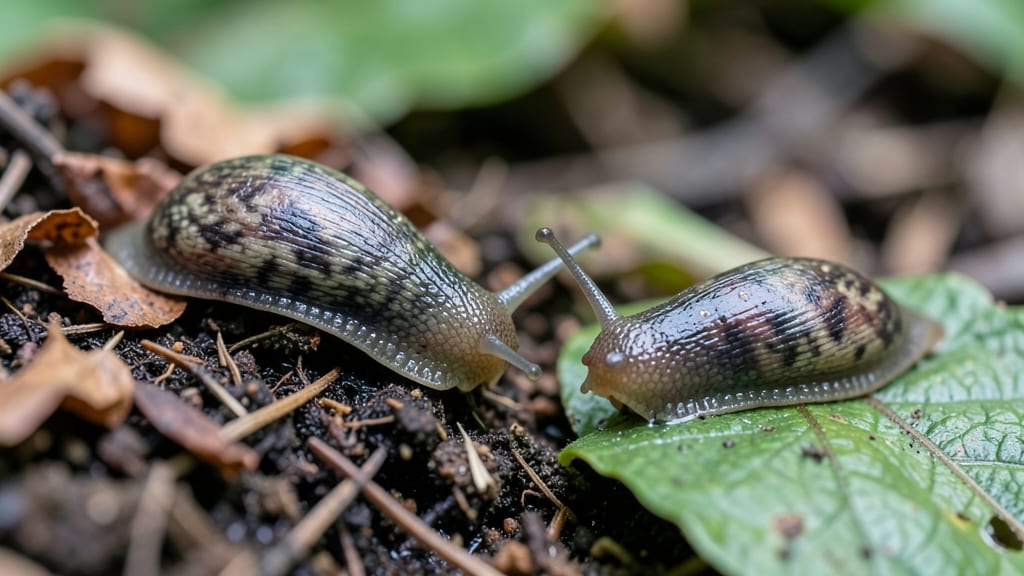
💥 Quick Answer Slugs are not beneficial to gardens because they destroy foliage, stems, and young plants, leading to stunted growth or death in vegetables, flowers, and ornamental species. While they play a minor role…
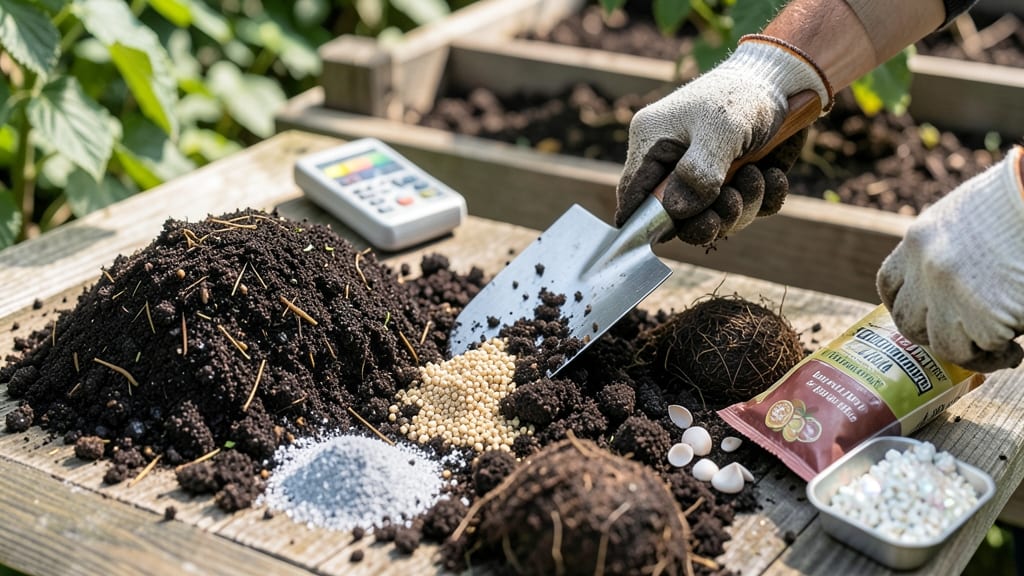
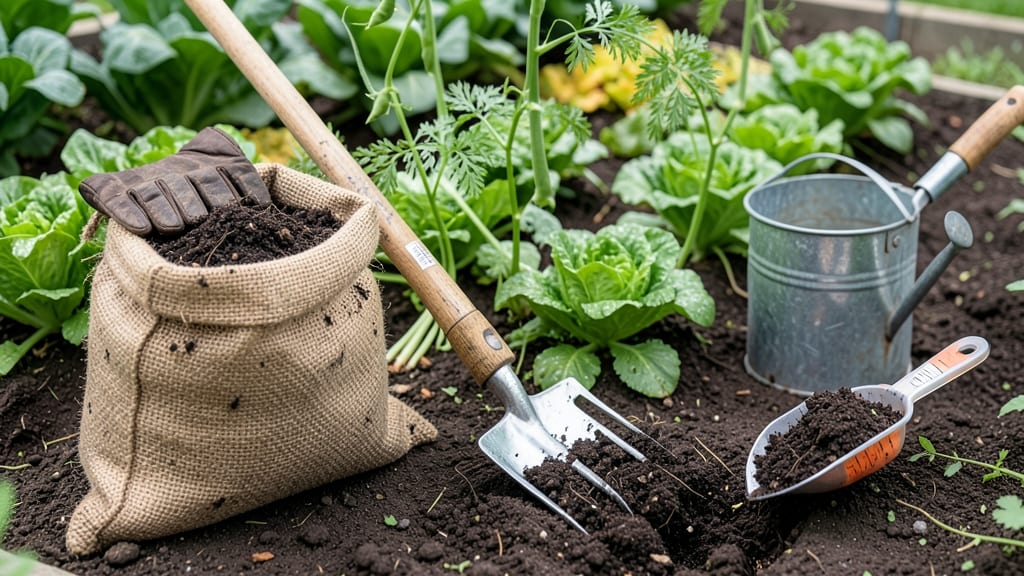
💥 Quick Answer When you want to know what to mix into garden soil , blend organic compost, aged manure, and perlite to enhance drainage, nutrient availability, and root development while maintaining balanced soil pH for…
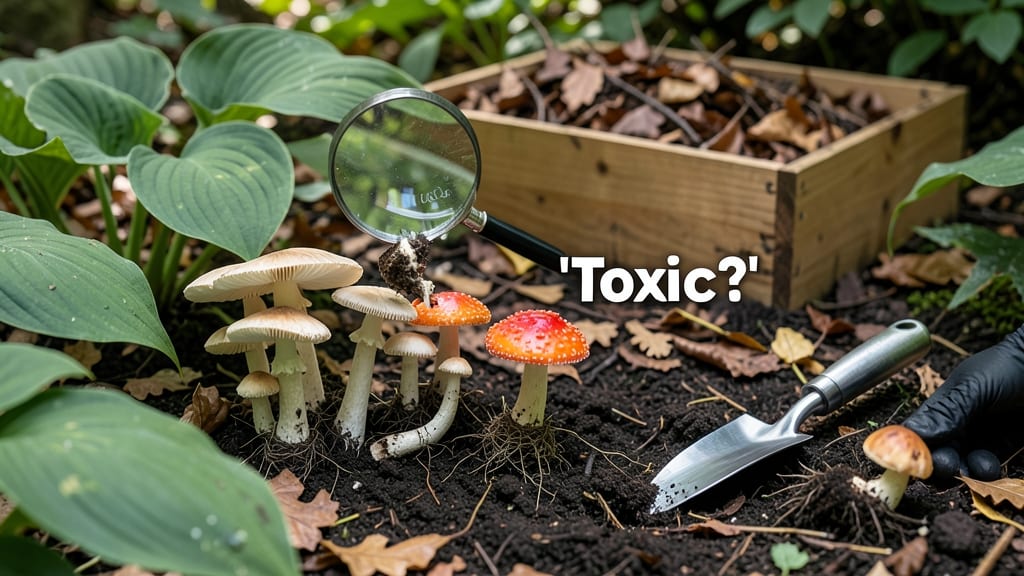
💥 Quick Answer Deciding whether to remove mushrooms from your garden depends on their type and ecological role—most varieties are harmless or beneficial, contributing to soil health and nutrient cycling, while toxic…
💥 Quick Answer The Butchart Gardens Sunken Garden is a breathtaking tropical retreat featuring terraced walkways, rare orchid collections, and cascading waterfalls surrounded by exotic plants like ferns, palms, and…
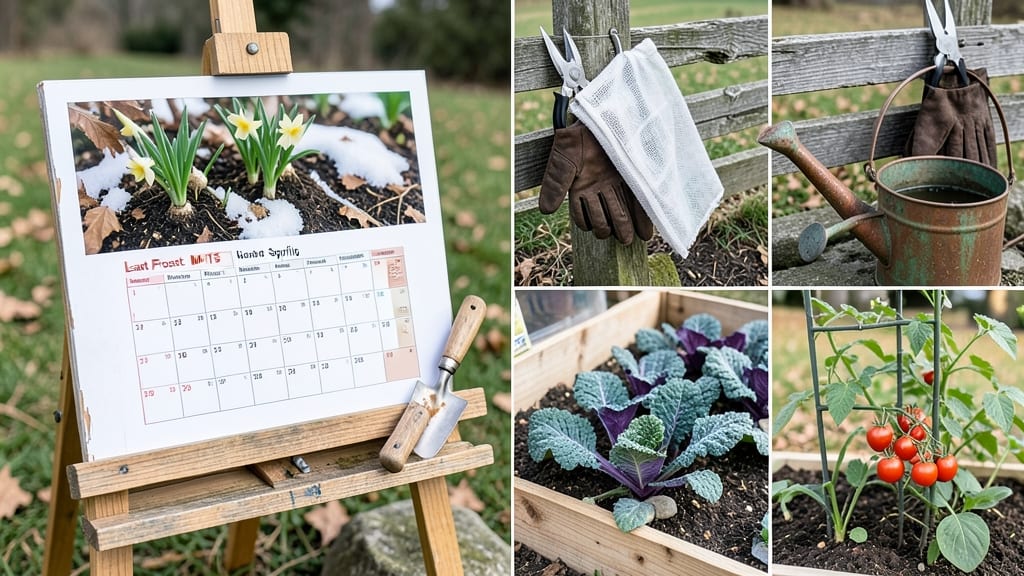
💥 Quick Answer A Wisconsin gardening calendar helps you plan your planting schedule based on the state's frost dates—typically the last spring frost around May 15 (Zone 4b-5a) and the first fall frost by September 15…
💥 Quick Answer To determine how much cow manure for your garden, start with 1–2 inches of well-aged compost per square foot for vegetables, and 2–3 inches for heavy feeders like corn. Always mix it lightly into topsoil…