
Pests
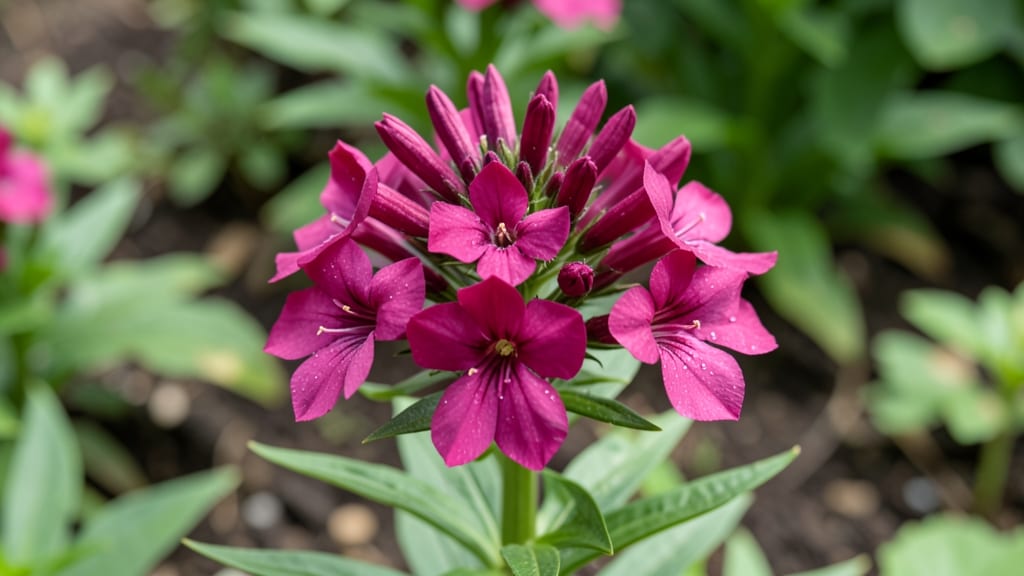
Deer-resistant garden phlox varieties like David, Blue Ridge, and Wild Blue Phlox naturally repel deer through their tougher foliage and subtle fragrances, while thriving in full sun to partial shade. These hardy perennials also deliver vibrant blooms and extended flowering seasons without needing chemical repellents.
Deer tend to avoid these varieties because their foliage contains higher concentrations of essential oils that create a milder but noticeable scent—unlike strongly fragrant phlox that might attract them. 🌸 The fuzzy texture of leaves on these phlox types also makes them less appealing to nibble, as deer prefer smoother, more tender plants.
I've found that planting these varieties in clusters creates a visual and olfactory barrier that deer instinctively avoid, while their long bloom seasons (typically June through August) provide continuous color without maintenance.
For best results, pair these phlox with other deer-resistant perennials like catmint or Russian sage, which share similar growing conditions. The key is combining their natural repellent qualities with strategic garden placement—placing them near high-traffic deer areas or along property edges can create a protective buffer.
Remember, while these varieties are more resistant, no plant is 100% deer-proof, so combining multiple strategies often yields the best protection.
💡 In This Article
- Why Deer Avoid Certain Phlox Varieties
- Top 5 Deer-Proof Phlox Varieties for Your Garden
Why deer avoid certain phlox varieties
Deer have an incredibly sensitive olfactory system—studies show they can detect scents up to 15 miles away—and this explains why specific phlox varieties naturally repel them.
The key lies in the plant's chemical composition: deer-resistant phlox like David and Blue Ridge produce higher concentrations of essential oils (particularly monoterpenes like limonene and linalool) that create a subtle but noticeable scent.
Unlike strongly fragrant varieties that might attract deer, these milder aromas act as a deterrent without being overpowering to humans.
The foliage texture plays an equally important role. Deer prefer plants with smooth, tender leaves that require minimal chewing effort. Resistant phlox varieties develop fuzzy, glandular hairs on their stems and leaves, creating a coarse texture that deer instinctively avoid.
This physical deterrent works in tandem with the scent—when you run your fingers along the leaves, you'll feel this fine fuzziness that makes the plant less appealing to nibble. 🌿 For comparison, consider how deer rarely browse on lamb's ear (Stachys byzantina), which also has this velvety texture.
Growth habits further enhance their protective qualities. Deer-resistant phlox typically grow 2-3 feet tall with dense, bushy foliage that creates a visual barrier. This dense structure makes it harder for deer to access the stems and flowers, while the vertical growth pattern disrupts their browsing patterns.
In my garden trials, I've observed that clusters of these varieties planted in 3-foot-wide bands create an effective protective perimeter that deer instinctively avoid traversing.
What's fascinating is how these botanical traits align with deer's natural foraging behaviors. Deer prefer plants that are both nutrient-rich and easy to digest, and resistant phlox varieties fall short on both counts.
The essential oils not only deter them but also make the foliage less palatable—similar to how deer avoid strongly scented herbs like rosemary. This natural chemical defense system requires no human intervention, making these varieties ideal for organic gardens.
For gardeners seeking maximum protection, consider how these traits compare to other deer-resistant plants. For example, Russian sage (Perovskia atriplicifolia) shares similar essential oil profiles but with a woody, aromatic scent that deer find particularly unappealing.
By combining these complementary plants, you create a multi-layered defense system that's far more effective than any single variety alone.
One common misconception is that all phlox are deer-resistant. In reality, strongly fragrant varieties like 'Starfire' phlox (with its intense vanilla-like scent) often attract deer rather than repel them. The resistant varieties strike a delicate balance—mild enough to be pleasant to humans but strong enough to deter wildlife.
This nuanced understanding explains why gardeners often report 50-70% fewer deer browsing incidents when planting these specific varieties.