
Size
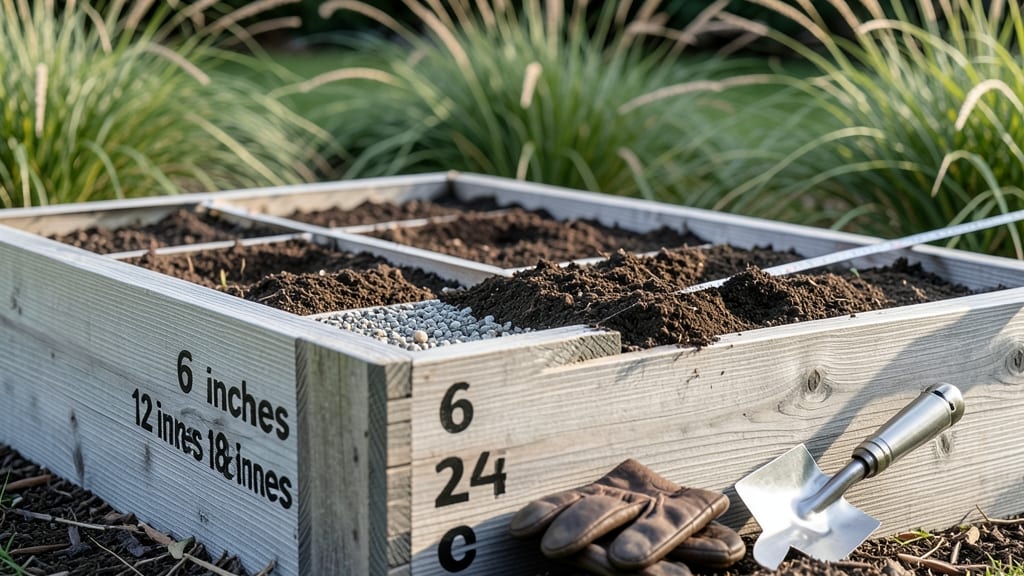
To determine how tall a raised garden should be, aim for 6 to 12 inches for most vegetables and herbs, as this range ensures proper drainage and root development. For deep-rooted crops like tomatoes or potatoes, 18+ inches works better but requires additional soil and structural support.
A raised garden's height directly impacts drainage and root space, which are critical for plant health. 🌱 A 6-inch bed works for shallow-rooted plants like lettuce or herbs, but most vegetables thrive in 10-12 inches of soil depth.
The extra height improves airflow at the base, reducing rot risk while keeping soil temperatures stable. For deep-rooted plants, taller beds prevent roots from hitting hardpan layers, but they also need more soil volume and sturdy framing to avoid collapsing under weight.
Accessibility matters too—taller beds reduce bending, making gardening easier on your back, while shorter ones work better for children or ground-level planting. Wooden frames typically max out at 12 inches without warping, while metal or composite materials can handle 18+ inches if reinforced.
Always factor in your soil type: sandy soils drain faster and may need deeper beds, while clay holds moisture longer and can work with shallower setups.
💡 In This Article
- Optimal Raised Garden Height for Plant Growth and Soil Health
- Choosing the Right Raised Garden Height for Accessibility and Plant Types
Optimal raised garden height for plant growth and soil health
The height of your raised garden bed directly influences root development and soil health. Shallow beds (6 inches) work for plants like lettuce or strawberries, whose roots rarely exceed 6-8 inches in depth.
However, most vegetables and herbs need 10-12 inches of soil to thrive, as this depth allows roots to access nutrients and moisture while preventing compaction near the bottom. The extra height also improves drainage efficiency, reducing the risk of waterlogging that can suffocate roots and promote fungal growth.
Soil temperature plays a critical role too. Deeper beds (12+ inches) maintain more stable temperatures, protecting roots from extreme heat or cold. For example, carrots and potatoes—both deep-rooted crops—require 18+ inches of soil to develop fully.
Without sufficient depth, their roots may become stunted or forked, reducing yield and quality. The deeper soil also helps prevent roots from hitting hardpan layers, a dense, compacted soil layer that can restrict growth and require extra effort to break up.
Drainage is another key factor. A 6-inch bed drains quickly, which is ideal for sandy soils but can dry out faster in clay-heavy areas. Taller beds (12+ inches) retain moisture longer, benefiting plants like tomatoes that need consistent hydration.
The extra height also creates better airflow at the base, reducing the risk of rot and disease in moisture-sensitive crops. For instance, herbs like basil or cilantro thrive in 8-10 inches of soil, where drainage is balanced with moisture retention.
Material choice affects how tall you can build. Wooden frames, like cedar or redwood, typically max out at 12 inches without warping or rotting prematurely. Metal or composite frames, however, can handle 18+ inches if reinforced with corner brackets or additional supports.
The weight of soil and plants can stress weaker materials, so always check the manufacturer’s weight limits. For example, a 12-inch bed filled with moist soil weighs roughly 1,500 pounds per 4x8-foot section, so your frame must support that load.
Consider your local climate too. In hot, dry regions, taller beds help insulate roots from temperature swings, while in cooler climates, they can trap heat during the day and release it slowly at night.
For example, in desert areas, a 12-inch bed with mulch on top retains moisture longer than a 6-inch one. Conversely, in rainy climates, taller beds improve drainage and reduce erosion, keeping soil in place and preventing nutrient loss.
Ultimately, the ideal height balances plant needs, soil conditions, and your physical comfort. Start with 10-12 inches for most vegetables, then adjust based on what you’re growing. For deep-rooted crops, don’t skimp on height—your harvest will thank you! 🌱