
Tools
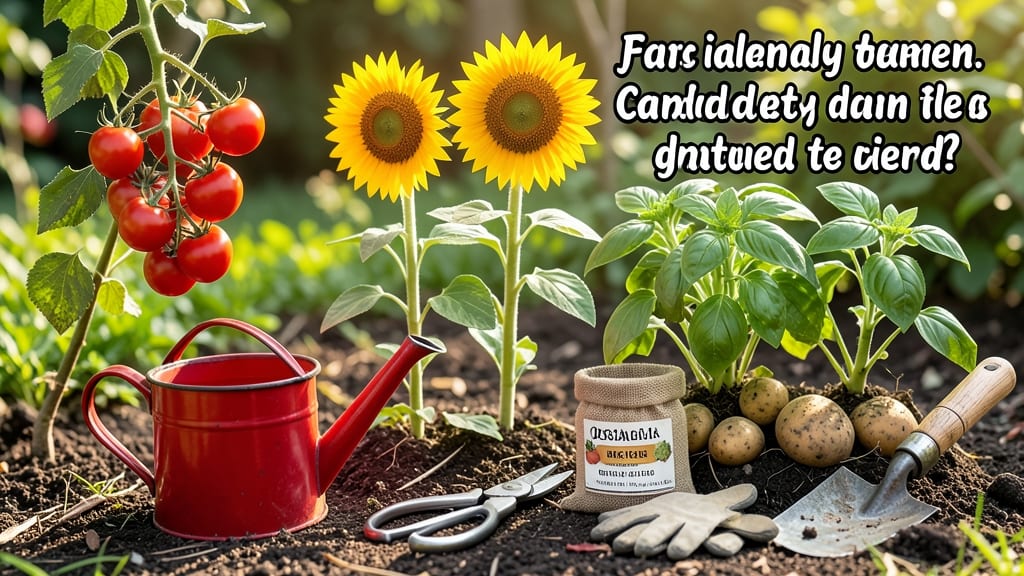
Gardening slang refers to the colorful, often humorous terms plant lovers use to describe everything from gardening success to common plant problems, like calling a thriving garden a 'thumbs-up' or a struggling plant a 'brown thumb.' These expressions add personality to the hobby and help gardeners bond over shared experiences.
These terms aren't just fun—they're deeply rooted in gardening culture. 🌱 For example, 'deadheading' (snipping off spent flowers) might sound technical, but it's actually a way to encourage more blooms while keeping your garden looking tidy.
I've noticed that newer gardeners often mix up 'bolting' (when plants flower too early) with 'blossoming,' which happens naturally, so understanding these distinctions can save time and frustration. The slang also evolves with trends, like 'heirloom' for old-fashioned plant varieties or 'hydroponics' for soil-free growing systems.
What's fascinating is how these words create an instant sense of community.
When you hear someone say 'my tomatoes are suffering from blight,' you immediately know they're talking about a fungal infection, not just a general problem. 🌿 This shared vocabulary makes gardening forums and social media groups feel more welcoming, especially for beginners who might feel overwhelmed by technical jargon.
Plus, using the right term can make your gardening stories more vivid—like describing a 'green thumb' when you're proud of your plants or a 'brown thumb' when things go wrong (we've all been there!).
💡 In This Article
- Origins and Meanings of Classic Gardening Slang
- How to Use Gardening Slang Like a Pro
Origins and meanings of classic gardening slang
Many gardening terms emerged from centuries of practical experience passed down through generations. Take 'green thumb,' for example—a phrase that dates back to 19th-century America, where it was used to describe someone with a natural talent for growing plants.
The 'thumb' likely refers to the way gardeners would pinch off suckers (side shoots) on tomato plants, a task requiring skill. Meanwhile, 'brown thumb' became the opposite, describing gardeners whose plants consistently wilted or died, often due to overwatering or poor soil choices.
Regional variations add even more flavor to gardening slang.
In the UK, 'hardening off' refers to gradually acclimating young plants to outdoor conditions, while in Australia, 'mulching' might be called 'covering' or 'top-dressing' depending on the context. 🌱 Terms like 'tomato blight' (a fungal disease) or 'powdery mildew' (a white fungal growth) also reflect the universal struggles gardeners face across climates.
Even 'grandma’s marigolds' carries sentimental weight, as these hardy flowers were often planted alongside vegetables to repel pests—a tradition many modern gardeners still follow.
The science behind some terms is surprisingly precise. 'Deadheading' isn’t just about tidying up—it removes spent blooms, redirecting the plant’s energy toward new growth rather than seed production. This technique can extend flowering seasons by up to 4-6 weeks in perennials like roses or zinnias.
Meanwhile, 'bolting' describes when plants flower prematurely, often triggered by stress (like heat or drought) or genetic factors, such as in lettuce or basil. Understanding these terms helps gardeners troubleshoot problems faster and choose the right solutions.
Slang also evolves with technology and trends. 'Heirloom' seeds, for instance, gained popularity as gardeners sought open-pollinated varieties over hybrid ones, valuing flavor and tradition. Similarly, 'hydroponics' (soil-free growing) became mainstream as urban gardeners sought space-efficient methods.
Even 'square foot gardening'—a system where plants are spaced in a grid—reflects modern efficiency, proving how slang adapts to new challenges. 💡 The humor in terms like 'thumbs-up' or 'brown thumb' also lightens the pressure of gardening failures, making the hobby more approachable for newcomers.
What’s often overlooked is how slang preserves gardening wisdom. Terms like 'compost tea' (a nutrient-rich liquid) or 'pruning shears' (sharp tools for trimming) encode best practices in everyday language. For example, calling a plant 'leggy' (tall and weak) instantly signals it needs more light or support.
This shorthand helps gardeners communicate quickly, whether in community gardens or online forums. Over time, these phrases become part of a shared vocabulary that connects plant lovers worldwide.
Even the sensory details in slang reveal deeper insights. Describing soil as 'sandy' or 'clay-heavy' isn’t just jargon—it’s a shorthand for drainage and nutrient retention. A 'drought-tolerant' plant like lavender might be called 'low-water' in casual conversation, but the term still carries the same meaning.
These nuances help gardeners tailor their care routines, whether they’re battling aphids ('greenfly' in the UK) or adjusting pH levels ('acid-loving' for blueberries). 🌿